


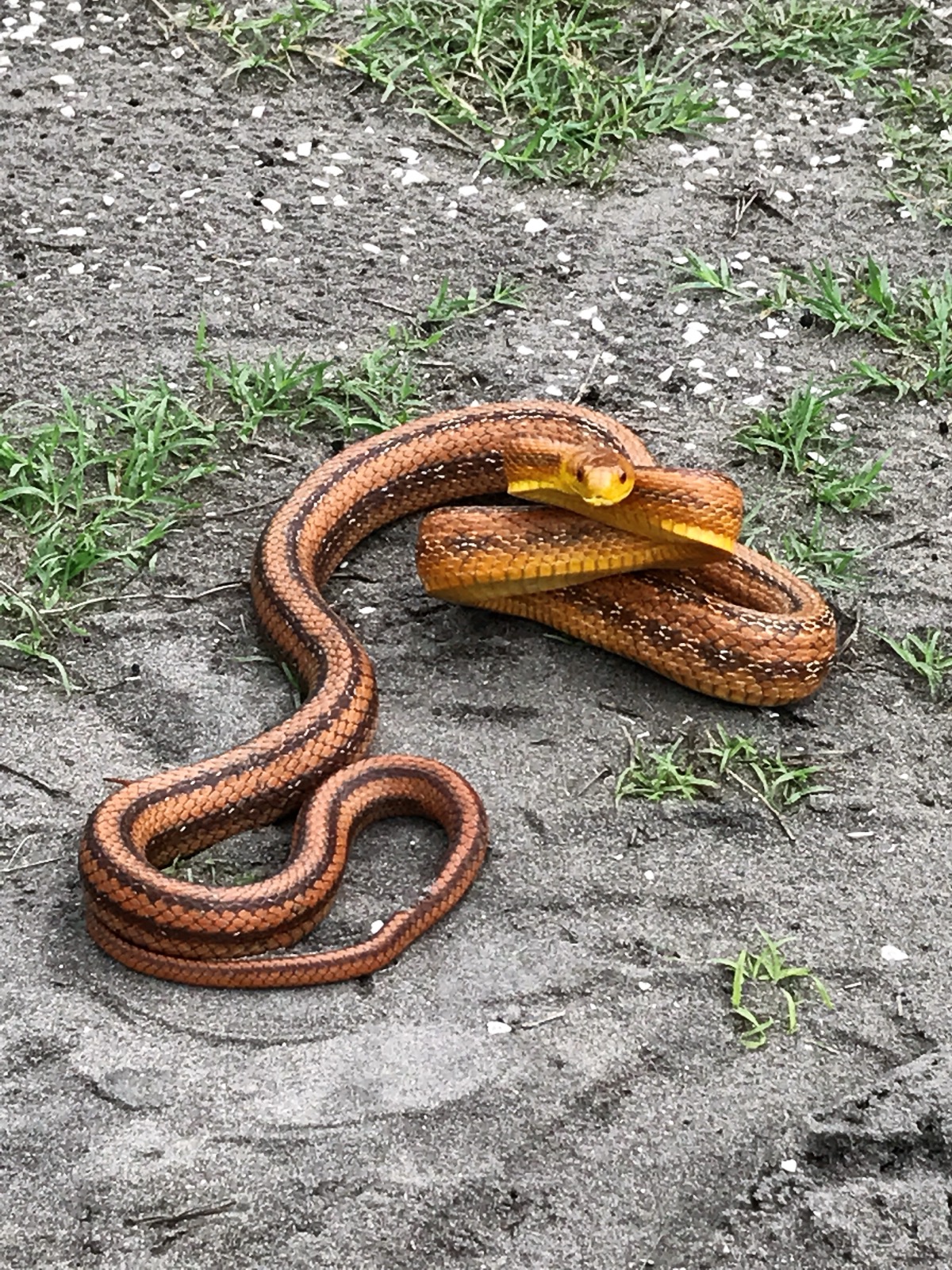
When we think of a snake's body, we often picture its incredible flexibility and legless movement. Underlying this unique form is a specialized skeletal system, and a crucial component of that system is its ribs. Unlike the rib cages of mammals, which typically enclose only the chest cavity, a snake's ribs are present along almost the entire length of its body, sometimes numbering over 300 pairs. These ribs are attached to each vertebra, except for a few at the very front and back, and are designed for extreme mobility rather than rigid enclosure, allowing snakes to perform their characteristic undulations and constrictions.
The primary function of these numerous, flexible ribs is locomotion. Each pair of ribs is connected to the large, overlapping belly scales through a complex network of muscles. As these muscles contract, they can lift and push the ribs forward, which in turn moves the belly scales. This coordinated movement allows the snake to grip surfaces and propel itself forward in various forms of locomotion, such as serpentine (S-shaped curves), rectilinear (straight-line crawling), or sidewinding. Without this intricate interplay between ribs, muscles, and scales, the snake's signature gliding movement would be impossible.
Beyond movement, a snake's ribs play a vital role in respiration. Lacking a diaphragm, snakes rely on their intercostal muscles, which connect the ribs, to expand and contract their body cavity, drawing air into their lungs and expelling it. This mechanism is particularly important when a snake is swallowing large prey. To prevent suffocation during a prolonged meal, snakes can shift their trachea (windpipe) to the side, and their highly adaptable ribs ensure that enough air can still be drawn into the lungs even as the body cavity is stretched to accommodate a sizable meal.
The ribs also serve a critical protective function for the snake's elongated internal organs. While not forming a solid, inflexible cage, the sheer number and close arrangement of the ribs provide a resilient shield against external impacts. This protection is essential for organs like the single functional lung, elongated liver, and kidneys, which are stretched out in a linear fashion within the snake's body. This design allows for a balance between vital organ protection and the extreme flexibility necessary for their predatory and defensive behaviors.
The evolutionary success of snakes is closely tied to this highly specialized rib structure. Their ability to move through dense vegetation, navigate tight crevices, and engulf prey many times larger than their head opening all stem from the adaptability of their rib cage. This design is a testament to natural selection, allowing snakes to exploit niches unavailable to other vertebrates and thrive in diverse environments across the globe, from arid deserts to dense rainforests and aquatic habitats.
Understanding the anatomy of snakes, including the nuanced role of their ribs, helps demystify these fascinating reptiles. It highlights that every aspect of their unique body plan is an adaptation for survival, debunking many common misconceptions about their perceived fragility or simplicity. Their complex internal workings are just as remarkable as their external appearance, showcasing a creature perfectly engineered for its legless existence.
Encountering a snake in your yard or out on a trail can be a memorable experience. Rather than focusing on perceived threats or myths, observe from a respectful distance. If you need to identify a snake to understand its potential danger, a clear photograph taken from a safe distance is invaluable. SerpentID can then compare its markings against local species, helping you determine if it's venomous and whether to contact local wildlife services for assistance, ensuring safety for both you and the snake.