


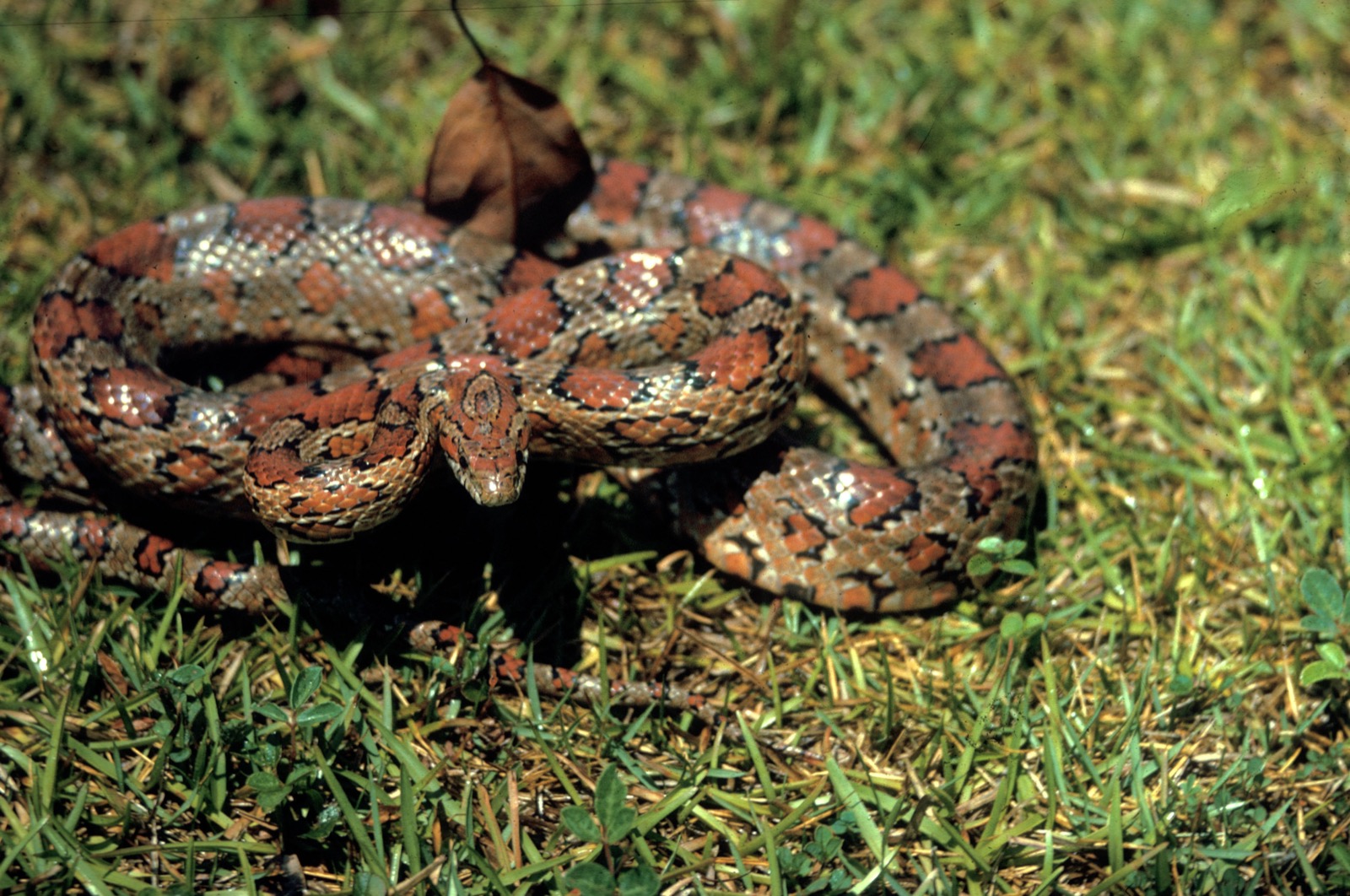
One common misconception people have about snakes, often stemming from their reptilian cousins like lizards, is whether they possess claws. The straightforward answer is no, snakes do not have claws. Unlike many other reptiles that use claws for gripping, climbing, or defense, snakes are entirely limb-less and thus have no digits or the accompanying claws. Their bodies are a marvel of adaptation, covered in a complex arrangement of scales that serve a multitude of purposes, none of which involve sharp appendages at the end of limbs.
The absence of claws and limbs in snakes is a key evolutionary feature. Snakes evolved from lizards millions of years ago, gradually losing their limbs as they adapted to specific ecological niches, such as burrowing through soil or navigating dense vegetation. This legless form allows them to move with incredible fluidity and access spaces that would be impossible for a creature with limbs. While some primitive snakes, like boas and pythons, retain tiny vestigial pelvic spurs near their vent, these are remnants of hind limbs and are not functional claws; they are small, bony projections used primarily during mating.
Instead of claws, snakes rely on their scales for interaction with their environment. Their entire body is enveloped in these keratinous structures, which vary in size, shape, and texture depending on the snake species and the part of the body they cover. The scales on a snake's belly, known as ventral scales, are particularly crucial for movement. These broad, overlapping scales are specially adapted to grip surfaces, acting like tiny traction pads that allow the snake to push against the ground and propel itself forward, backward, or even upwards.
The ingenious design of snake scales, combined with powerful muscles, enables various forms of locomotion without the need for claws. From the familiar S-shaped undulations of serpentine movement to the straight-line crawl of rectilinear motion, or the specialized sidewinding used on loose sand, snakes utilize their body segments and ventral scales to achieve remarkable mobility. Each movement type is a testament to their unique anatomy, demonstrating how effectively they navigate diverse terrains through sheer muscle power and scale-to-surface friction.
Beyond aiding in movement, scales provide essential protection for a snake's body. They form a robust armor against physical abrasion, help prevent moisture loss, and offer a first line of defense against predators. Scales also play a sensory role; nerve endings beneath the scales allow snakes to feel vibrations and textures, providing crucial information about their surroundings. This intricate covering is far more than just skin; it's a dynamic interface between the snake and its world, functioning without any need for claws.
So, if you ever hear someone talk about a snake's claws, you can confidently clarify that snakes are entirely without them. Any rough texture or perceived 'grip' is due to the structure of their scales. It's also important to remember that a snake's skin, despite popular myths, is dry and smooth to the touch, not slimy. Understanding these fundamental aspects of snake anatomy helps demystify these fascinating reptiles and promotes a more accurate appreciation of their adaptations.
Learning about snake anatomy, like the absence of claws, is part of understanding and safely coexisting with these creatures. If you encounter a snake and are unsure about its identity, the best course of action is always to maintain a safe distance. Take a clear photo if possible, without approaching too closely, and use the SerpentID app to compare its markings against local species. If the snake appears venomous or you feel it poses a threat, contact your local wildlife services for expert assistance rather than attempting to handle it yourself.