


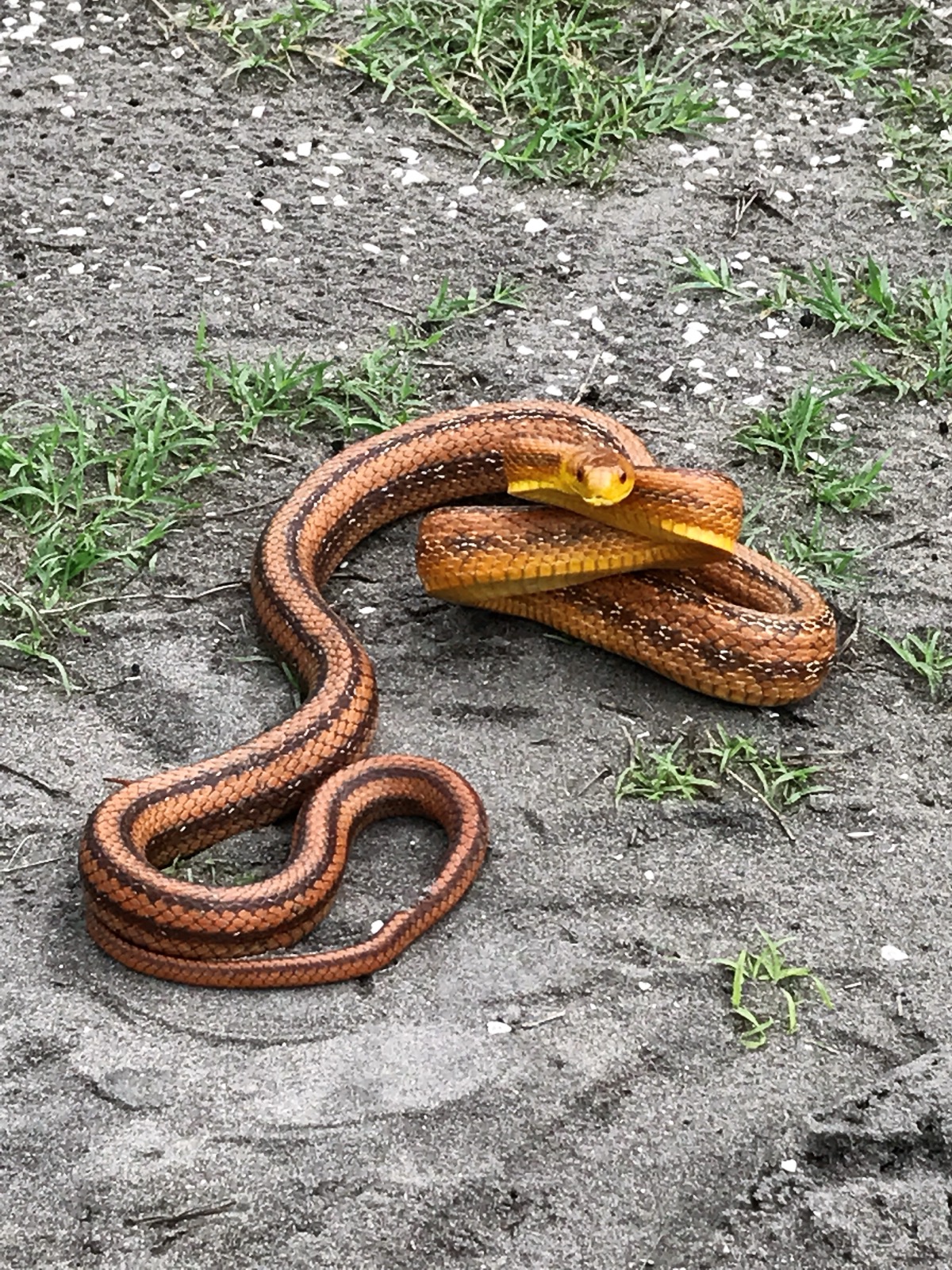
One of the more fascinating aspects of snake biology is their incredibly diverse diets, and a common question that arises is whether snakes eat eggs. The answer is a definitive yes; many snake species across the globe include eggs in their diets. This dietary choice ranges from generalist feeders who might opportunistically consume a clutch of small bird eggs, to highly specialized species that have evolved unique adaptations solely for the purpose of eating eggs. This natural behavior highlights the adaptability of snakes and their integral role in various ecosystems, often debunking myths about what these reptiles consume, such as the persistent belief that snakes drink milk.
The spectrum of egg-eating in snakes can be broadly categorized into two groups: generalists and specialists. Generalist snakes, such as various rat snakes, garter snakes, and even some colubrids, will readily consume eggs if the opportunity arises and the eggs are of an appropriate size. These snakes typically have broader diets that include rodents, birds, amphibians, and other reptiles, but they won't pass up a nutritious egg meal. For these species, eating eggs is simply another component of their varied hunting strategies, often discovered by scent or happenstance near ground nests or in tree cavities.
In contrast, specialized egg-eating snakes, like the African Egg-eating Snakes (genus *Dasypeltis*), are truly remarkable. These snakes exclusively feed on eggs and possess incredible anatomical modifications to facilitate this. Their jaws are exceptionally flexible, allowing them to engulf eggs significantly larger than their own head circumference. Once an egg is swallowed, specialized vertebral spines in their throat, called hypapophyses, protrude into the esophagus and act like tiny razors, scoring and cracking the eggshell. The snake then squeezes the egg, consuming the liquid contents and regurgitating the flattened, empty shell, leaving no waste.
The types of eggs consumed by snakes are as varied as the snakes themselves. Bird eggs, particularly those from ground-nesting birds or those found in accessible tree nests, are a common target. Chickens and other domestic fowl are also vulnerable to egg predation by snakes, leading to frequent encounters in human-managed environments like chicken coops. Beyond birds, many snakes also prey on the eggs of other reptiles, including turtles, lizards, and even other snake species. The size of the egg is always a limiting factor, with smaller snakes typically consuming smaller eggs, while larger, more specialized species can tackle substantial ones.
Snakes typically locate eggs through their highly developed sense of smell, using their forked tongues to 'taste' the air and detect the chemical cues of a nest. Once a nest is found, the snake's patience and stealth come into play. This behavior is most common during nesting seasons when eggs are abundant, and snakes are often found in areas where prey species are breeding. This includes gardens, wooded areas, near water bodies where turtles lay eggs, and even in human structures like sheds or attics where birds might nest.
The presence of egg-eating snakes in an ecosystem serves an important ecological function. By preying on eggs, they help regulate the populations of birds and other reptiles, preventing overpopulation and contributing to the overall balance of the food web. While an encounter with a snake near a nest might be alarming to some, it's a natural predatory interaction that has occurred for millennia. Understanding this behavior helps us appreciate the complex roles snakes play in our environment and reinforces the importance of coexisting with these creatures.
If you encounter a snake, especially one near a nest of eggs, the best course of action is always to observe from a safe distance and leave it undisturbed. Attempting to intervene can put both you and the snake at risk. Instead, take a clear photo from a safe distance and use the SerpentID app to identify the species. Knowing whether the snake is venomous or harmless can help you make informed decisions about your safety and whether to contact local wildlife services for assistance, particularly if it's a venomous species or in an undesirable location.