


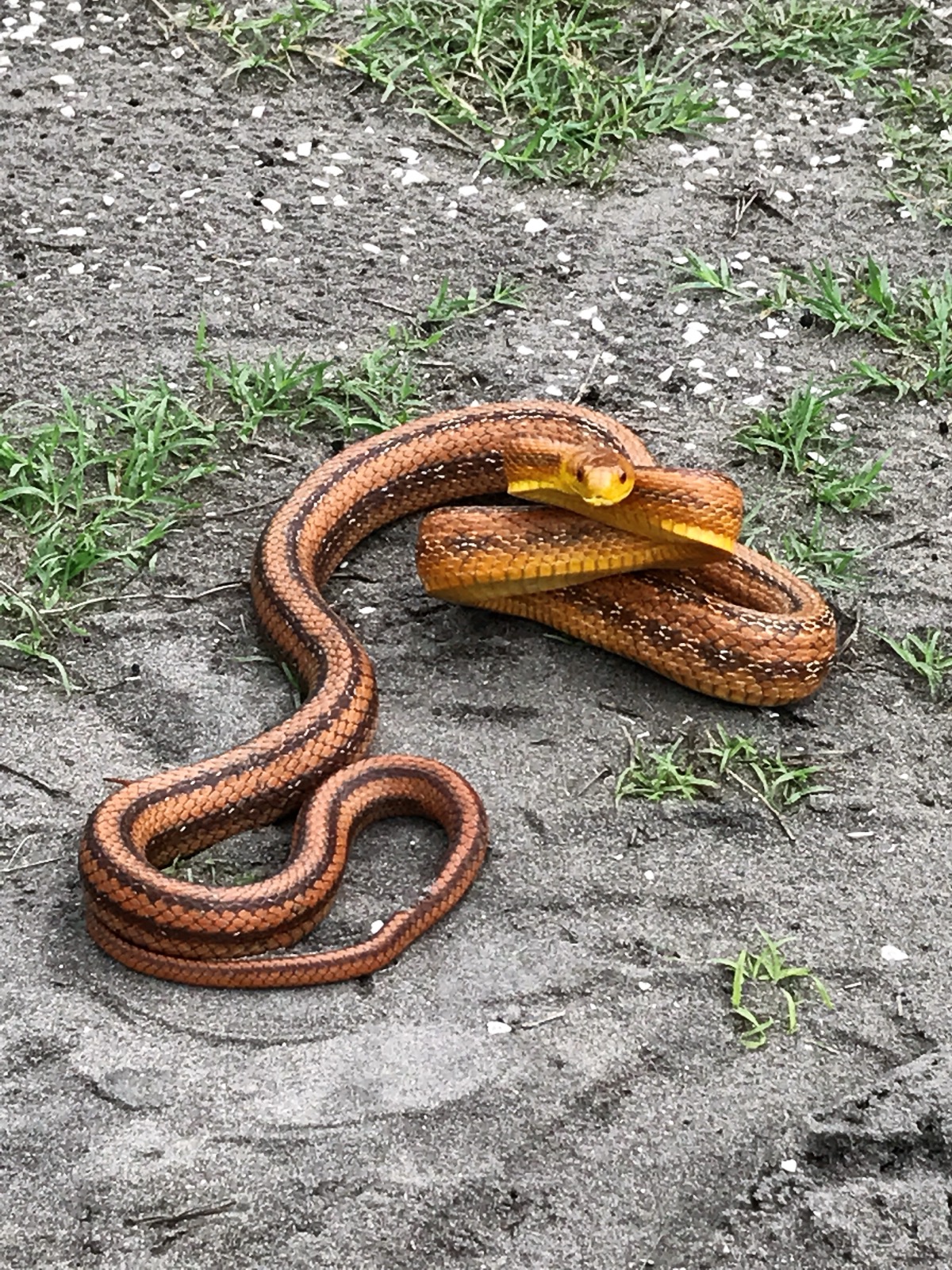
Snakes, with their incredibly flexible bodies and specialized scales, are indeed capable of climbing stairs, though it's not their most typical form of locomotion. While the sight of a snake on an upper floor can be alarming, these legless reptiles possess adaptations that allow them to ascend various vertical and inclined surfaces, including the steps within our homes. Their powerful musculature and unique scale structure provide the necessary grip and leverage to navigate such architectural features, making multi-story homes accessible to them if an entry point is found.
When a snake is found on a staircase or an upper level, it's typically not by deliberate intent to reach a specific floor, but rather a result of exploration or seeking resources. Snakes often enter homes through ground-level openings like gaps in foundations, open doors, or utility pipe penetrations. Once inside, they may follow scent trails of prey, seek warmth or coolness, or simply explore their new environment, which can lead them upwards through stairwells. They are not "hunting" humans or deliberately invading living spaces; they are opportunistic creatures responding to environmental cues.
The primary mechanism allowing snakes to climb is their ventral scales, the broad, overlapping scales on their undersides. These scales provide excellent traction, much like the treads on a tire. When climbing, a snake might use a "concertina" movement, bunching its body to anchor part of itself while extending the front, then anchoring the front and pulling the rear forward. For a less steep incline or a very rough surface, they might also use a "serpentine" or "lateral undulation" motion, pressing against the sides of the steps. Their ability to flatten their body also aids in creating more surface contact for grip.
Several factors can influence a snake's ability to climb stairs. Rougher surfaces like carpeted stairs or those with small gaps between risers can offer better grip than smooth, polished wood or tile. Smaller, more agile species, particularly those known for climbing trees like rat snakes and corn snakes, are generally more adept at ascending stairs than heavier, terrestrial species. The size of the snake also plays a role; a very large, heavy snake might struggle more with vertical climbs than a slender, medium-sized one. However, even a small snake can manage a flight of stairs if motivated.
Despite their capability, finding a snake on an upper floor remains a relatively uncommon occurrence. Most snakes that venture indoors tend to stay on the ground level, where entry points are more plentiful and where their primary food sources, such as rodents, are often found. The fear of snakes actively seeking out bedrooms or living areas on higher floors is largely unfounded. When they do climb, it's usually part of a wider exploratory pattern, not a targeted ascent. Their presence is almost always accidental, a result of seeking refuge or resources that led them astray.
To minimize the chances of a snake making its way upstairs, the best approach is prevention at the ground level. Seal any cracks or gaps in your home's foundation, around pipes, and under doors. Keep your yard tidy by removing potential hiding spots like woodpiles, overgrown shrubs, and debris close to the house. Addressing rodent issues can also deter snakes, as a reliable food source is a major attractant. Regularly check entry points and ensure screens are intact to prevent unwelcome visitors from getting inside in the first place.
If you do encounter a snake on your stairs or anywhere else in your home, the most important step is to remain calm and maintain a safe distance. Do not attempt to approach, handle, or harm the snake. Instead, take a clear photograph from a safe distance, which can be invaluable for identification. You can then use the SerpentID app to compare markings against likely local species. If the snake is identified as venomous, or if you are unsure, contact your local animal control or a professional wildlife removal service immediately. They have the expertise to safely remove the snake without risking harm to yourself or the animal.