


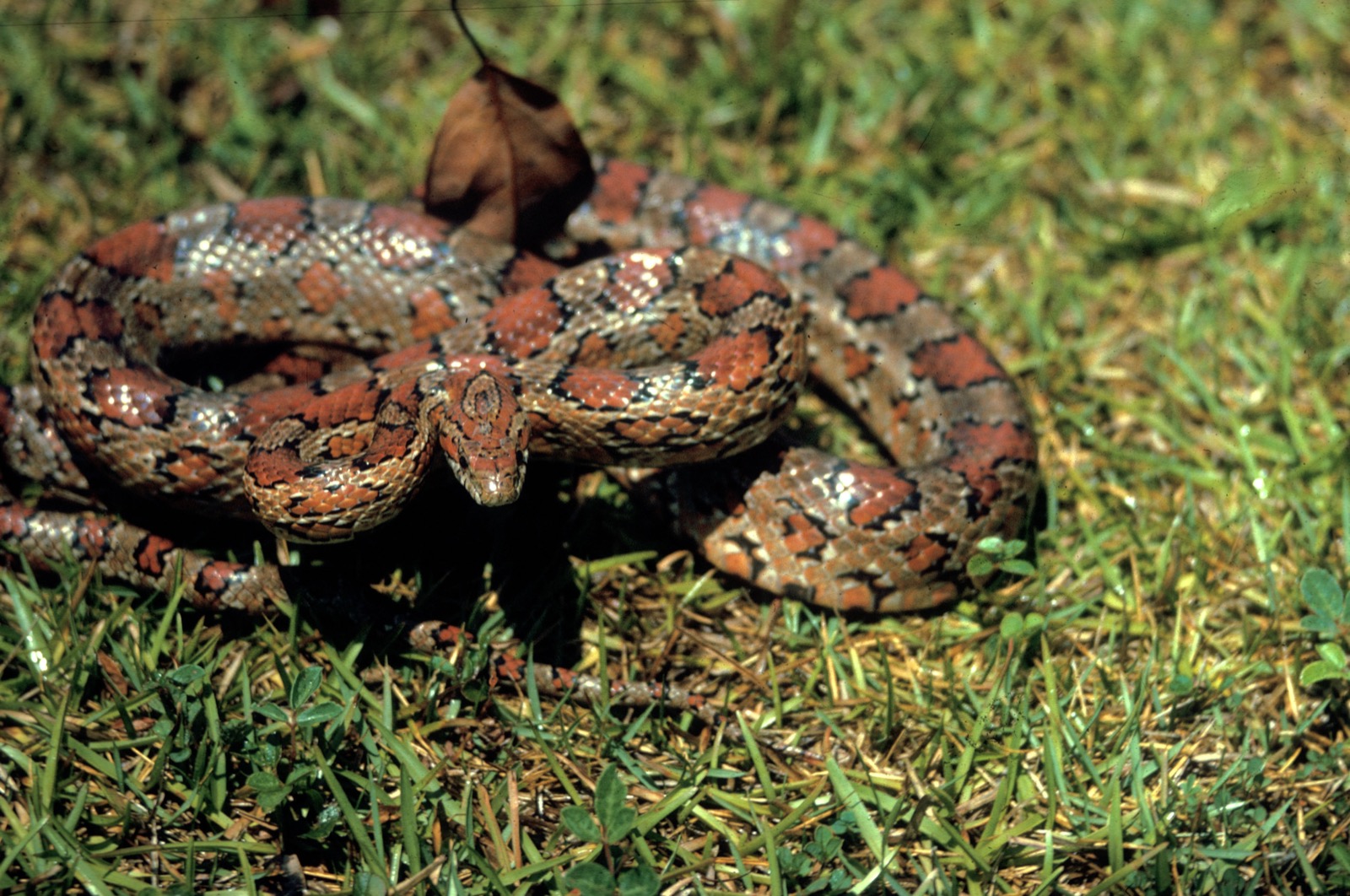
Just like many other animals, snakes can display sexual dimorphism, meaning there are observable differences between males and females of the same species. However, unlike birds with their vibrant male plumage or mammals with pronounced size disparities, these distinctions in snakes are often very subtle and can be challenging for the average person to discern. While some species show more obvious traits, for many, the differences are so minor that even experienced herpetologists might need to employ specialized techniques to confidently determine a snake's sex.
One of the most frequently discussed differences is size. In many snake species, females tend to be larger and heavier than males. This is often attributed to the female's need to produce and carry eggs or live young, requiring a greater body mass and energy reserve. For instance, in many python and boa species, the largest individuals are typically females. However, this isn't a universal rule; in some colubrid snakes, males might achieve greater overall length, even if females are bulkier. Furthermore, environmental factors and age can also influence a snake's size, making it an unreliable sole indicator of sex.
A more consistent, though still subtle, external clue can be found in the tail length and shape, specifically the portion of the tail beyond the vent (the cloacal opening). Male snakes generally have longer, thicker tails that taper more gradually from the vent, as this region needs to accommodate their hemipenes, which are paired reproductive organs. Female snakes, conversely, typically have shorter, more abruptly tapering tails. While this difference can be a useful indicator, it still requires careful observation and familiarity with the specific species, as tail proportions can vary considerably between different types of snakes.
Coloration and pattern differences between male and female snakes are less common than in other animal groups, but they do occur in some species. These variations might be subtle shifts in hue, intensity of markings, or even the presence of specific patterns that only appear in one sex, particularly during breeding season. However, relying on color or pattern for sex identification is often difficult because individual snakes within the same species can exhibit wide natural variations in their appearance, and these traits can also change with age, diet, or environmental factors.
Behavioral patterns can also offer indirect hints about a snake's sex. During the breeding season, male snakes might become more active as they search for mates, sometimes engaging in elaborate combat rituals with other males to establish dominance. Females, especially when gravid (carrying eggs or young), may become more secretive, seeking out safe, warm places to gestate or lay their clutch. While these behaviors are characteristic, they are not definitive identifiers and are often observed only during specific times of the year or under particular circumstances.
For definitive sex determination, professionals often rely on more invasive but accurate methods. These include 'probing,' where a lubricated, blunt probe is gently inserted into the cloaca; the depth to which the probe can be inserted indicates the presence of hemipenes in males. Another method is 'palpation,' where the tail base is gently squeezed to evert the hemipenes. These techniques require extensive training and should only be performed by experienced herpetologists or veterinarians, as improper execution can cause severe injury to the snake.
Ultimately, distinguishing between male and female snakes by visual cues alone is often challenging for non-experts due to the subtle nature of sexual dimorphism in many species. If you encounter a snake and are curious about its sex, remember that the safest approach is to observe it from a respectful distance without attempting to handle it. Should you need to identify a snake you've encountered, take a clear photo from a safe distance and let the SerpentID app help you compare its markings against likely local species. If you suspect a snake is venomous or injured, always contact local wildlife services for assistance rather than attempting to intervene yourself.