


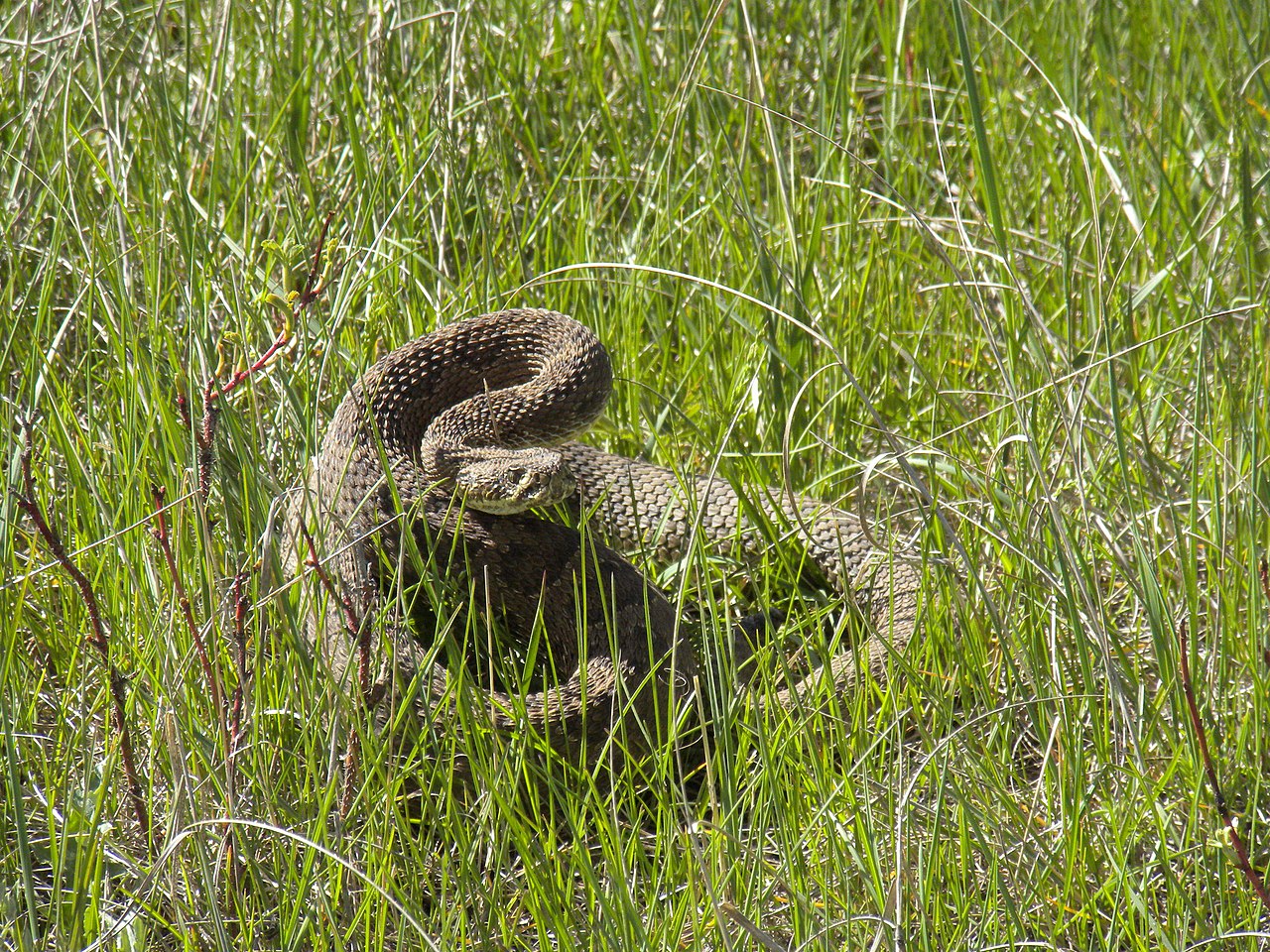
The captivating image of a snake locking eyes with its prey, seemingly lulling it into a helpless trance, is a powerful and enduring myth found in folklore across many cultures. From ancient tales to modern cartoons, the idea that snakes can hypnotize animals has been a persistent fascination. However, despite its widespread appeal, the notion that snakes possess any hypnotic power is entirely unfounded by scientific evidence. Snakes do not, and cannot, hypnotize their prey.
What people often interpret as hypnosis is, in fact, a complex interplay of natural fear responses in the prey animal. When confronted by a predator as formidable as a snake, many animals experience an intense physiological reaction. They might freeze in place, hoping to avoid detection by remaining absolutely still, or they might enter a state of shock or tonic immobility, sometimes referred to as "playing dead." This involuntary paralysis is a survival mechanism, not a result of the snake casting a spell. The prey is simply overwhelmed by terror, its body's natural defenses kicking in.
Instead of relying on mystical powers, snakes employ highly effective and observable hunting strategies honed over millions of years of evolution. Many species are ambush predators, lying perfectly still and camouflaged, waiting for an unsuspecting meal to wander within striking distance. Others actively forage, using their keen senses to track down prey. Once a target is identified, snakes use either powerful constriction to overpower their victims, or inject venom to incapacitate them quickly. These are precise, instinctual behaviors, not mind control.
A snake's true "superpowers" lie in its remarkable sensory adaptations. While their eyesight varies by species, many snakes have excellent vision for detecting movement. More critically, they possess an extraordinary sense of smell and taste, achieved by flicking their forked tongues to collect scent particles from the air, which are then analyzed by a specialized organ in the roof of their mouth. Pit vipers, like rattlesnakes and copperheads, also have specialized pit organs that detect infrared radiation, allowing them to "see" the heat signatures of warm-blooded prey, even in complete darkness. These sophisticated senses are their real hunting tools.
The myth of hypnotic snakes likely stems from the visual drama of a snake-prey encounter. A snake's intense, unblinking stare – due to their lack of movable eyelids, which are replaced by clear scales called spectacles – combined with its deliberate, often slow movements before a strike, can create an illusion of mesmerizing control. For an observer, especially from a distance, it's easy to misinterpret the prey's frozen fear or disorientation as a response to a hypnotic gaze rather than a primal survival instinct.
Understanding the true nature of snake hunting and prey behavior is not only more accurate but also highlights the incredible adaptations of these reptiles. Different species of snakes have evolved diverse methods to secure their meals, from the lightning-fast strike of a venomous viper to the suffocating grip of a constrictor. Similarly, prey animals have developed a range of defensive responses, from flight to freezing. The common thread is the biological imperative to survive, entirely free of any supernatural influence.
Encountering a snake in the wild can be a startling experience, and separating fact from fiction is crucial for responsible interaction. Rather than imagining a snake's intentions, focus on understanding its natural behaviors and respecting its space. If you see a snake, observe it from a safe distance, take a clear photo, and use an identification app like SerpentID to learn about the species. Knowing whether a snake is venomous or harmless, and understanding its typical behavior, allows you to appreciate these fascinating creatures safely and to know when to contact local wildlife services for assistance if a venomous species is too close to home.