


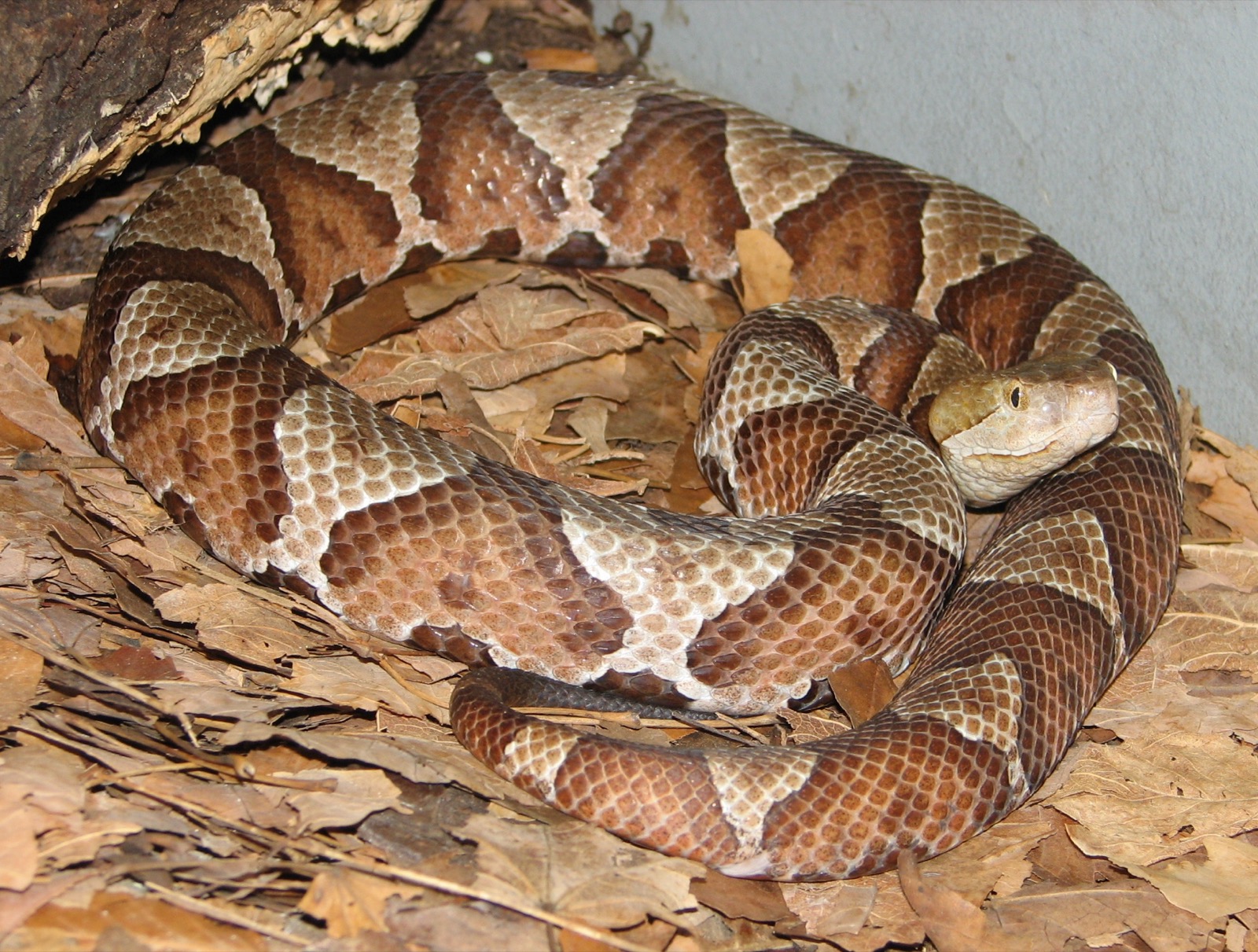
Are snakes active at night is one of the most common safety questions homeowners ask, and the honest answer is that it depends on the species, the season, and how hot the day was. Snakes are ectotherms, so they do not generate their own heat. When daytime temperatures climb too high, many snakes that you would normally see in the morning become nocturnal to avoid overheating, which is exactly why summer porch and driveway encounters often happen after sunset.
Some snakes are naturally more nocturnal than others. Several pit vipers, including copperheads and many rattlesnakes, hunt comfortably in low light because they sense heat from prey rather than relying on vision alone. Other species, like many racers and garter snakes, are mostly day-active and tend to settle into cover overnight. So a single yes-or-no answer is misleading: the realistic takeaway is that warm nights are not automatically safe just because it is dark.
The practical risk at night is not that snakes become aggressive, but that you cannot see them clearly. Most bites happen when a person steps near a snake without noticing it or reaches into a space blindly. After dark, both of those mistakes are far easier to make, especially around warm surfaces like patios, walkways, and stone borders that hold the day's heat and stay attractive to a snake long after sunset.
If you live in snake country and need to move around the yard at night during warm months, light the path before you walk it, wear closed shoes, and use a flashlight to scan ahead of every step rather than sweeping it casually. Keep hands out of woodpiles, planters, and dark gaps you cannot see into. If you spot a snake, stop, give it room, and take one photo from a safe distance instead of moving closer for a better angle in poor light.
SerpentID can help you compare a nighttime sighting against likely species from that single safe photo, but low-light images naturally lose pattern detail, so confidence should stay conservative. When the app is uncertain or the snake disappears into a space you would need to reach into, treat the scene as unresolved and contact local wildlife help. Reducing nighttime attractants — outdoor lighting that draws insects, standing water, and rodent cover — does more to lower repeat encounters than any single sighting response.