


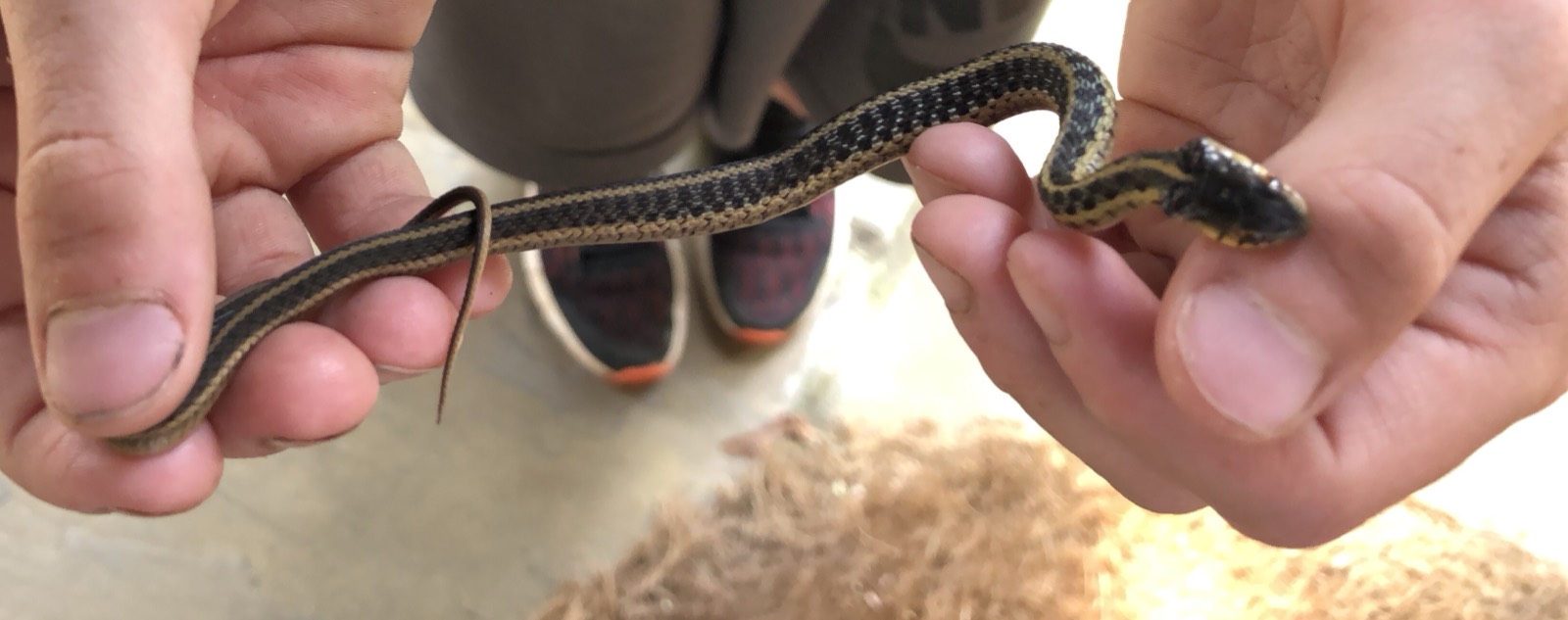
Are baby snakes venomous is a question that hides a dangerous assumption: that small means harmless. The reality is straightforward — if a species is venomous, its young are venomous too. Baby copperheads, rattlesnakes, cottonmouths, and coral snakes hatch or are born with functioning venom glands and fangs, and they can deliver a medically significant bite from day one. Size has nothing to do with whether a snake carries venom.
A persistent myth claims baby venomous snakes are 'more dangerous' than adults because they 'can't control their venom' and inject everything at once. Researchers have largely debunked this. Adults generally have far more venom available and longer fangs, so an adult bite is typically the greater medical threat. The real reason baby snakes deserve caution is different: they are small, well camouflaged, and easy to step on or pick up by accident, so they account for a lot of surprise encounters.
Most baby snakes you will actually find are harmless. Juvenile garter snakes, brown snakes, ring-necked snakes, and rat snakes are common in gardens and around foundations, and they pose no venom risk at all. The problem is that several harmless juveniles resemble dangerous ones — a young rat snake or water snake can be mistaken for a copperhead, and juvenile coloration often differs sharply from the adult, which defeats guesses based on memory of the grown-up snake.
Because identification by eye is unreliable, the safe rule is to treat any small snake you cannot confidently identify as if it could be venomous. Do not pick it up, corner it, or assume it is a harmless hatchling because it is tiny. Keep children and pets back, and if you find a cluster of small snakes or eggs, avoid disturbing the area and step away — a calm distance removes nearly all of the risk.
SerpentID is built for exactly this situation: take one clear photo from a safe distance and let the app compare juvenile markers, body proportions, and pattern against likely species rather than relying on a stressful in-the-moment guess. When the result is uncertain or points to a venomous possibility, widen your safety margin and contact local wildlife help. A baby snake is never automatically safe just because it is small — the species, not the size, is what matters.