


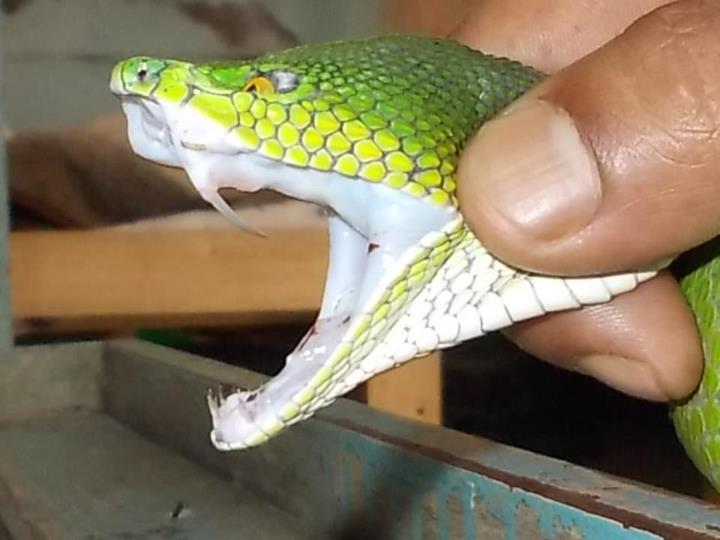
Anyone who has kept a pet snake or watched wildlife closely has likely seen a snake stretch its jaws wide open in a motion that looks identical to a human yawn. While it is easy to assume the reptile is simply tired or bored, snakes do not experience sleepiness or fatigue in the same psychological way mammals do. Instead, this gaping behavior is a strictly physical mechanism that serves several important functions related to their unique anatomy and sensory systems.
The most common reason a snake yawns is to realign its jaws, particularly after eating. Unlike mammals, whose lower jaws are fused to their skulls, a snake has a highly flexible jaw structure connected by elastic ligaments. This allows them to stretch their mouths around prey items much larger than their own heads. Once the meal is swallowed, the bones of the jaw can remain slightly out of place, and a wide, dramatic yawn helps pop these delicate bones back into their proper resting positions.
Another fascinating reason for snake yawning involves their sense of smell. Snakes rely heavily on their vomeronasal organ, also known as the Jacobson's organ, located in the roof of the mouth. When a snake stretches its mouth wide open, it exposes this organ directly to the air currents, allowing it to collect and process chemical cues more effectively. This deep sensory reset is especially common when a snake is introduced to a new environment or detects a strong, unfamiliar scent nearby.
Yawning can also signal that a snake is preparing to shed its skin. Prior to shedding, the old skin around the lips and nose becomes tight and uncomfortable. By opening its mouth as wide as possible, the snake stretches the dry, outer layer of skin, helping to loosen it around the mouth line so it can begin rubbing its snout against rough surfaces to peel the old layer away.
While occasional yawning is perfectly normal, frequent or persistent gaping can sometimes indicate a health problem, such as a respiratory infection. If a snake is struggling to breathe due to mucus buildup in its airway, it will hold its mouth open to draw in more oxygen. In the wild, a sick snake is highly vulnerable, but in captivity, this behavior is a clear sign that the animal requires professional veterinary attention.
Spotting a snake with its mouth open in the wild can be a startling experience, and it is crucial never to mistake this behavior for an invitation to get close. If you encounter a snake in your yard or on a trail, the safest course of action is to step back and photograph the animal from a safe distance. You can then upload the image to SerpentID to quickly compare its markings against likely local species to determine if it is a harmless neighbor or a venomous visitor that requires professional relocation by local wildlife services.