


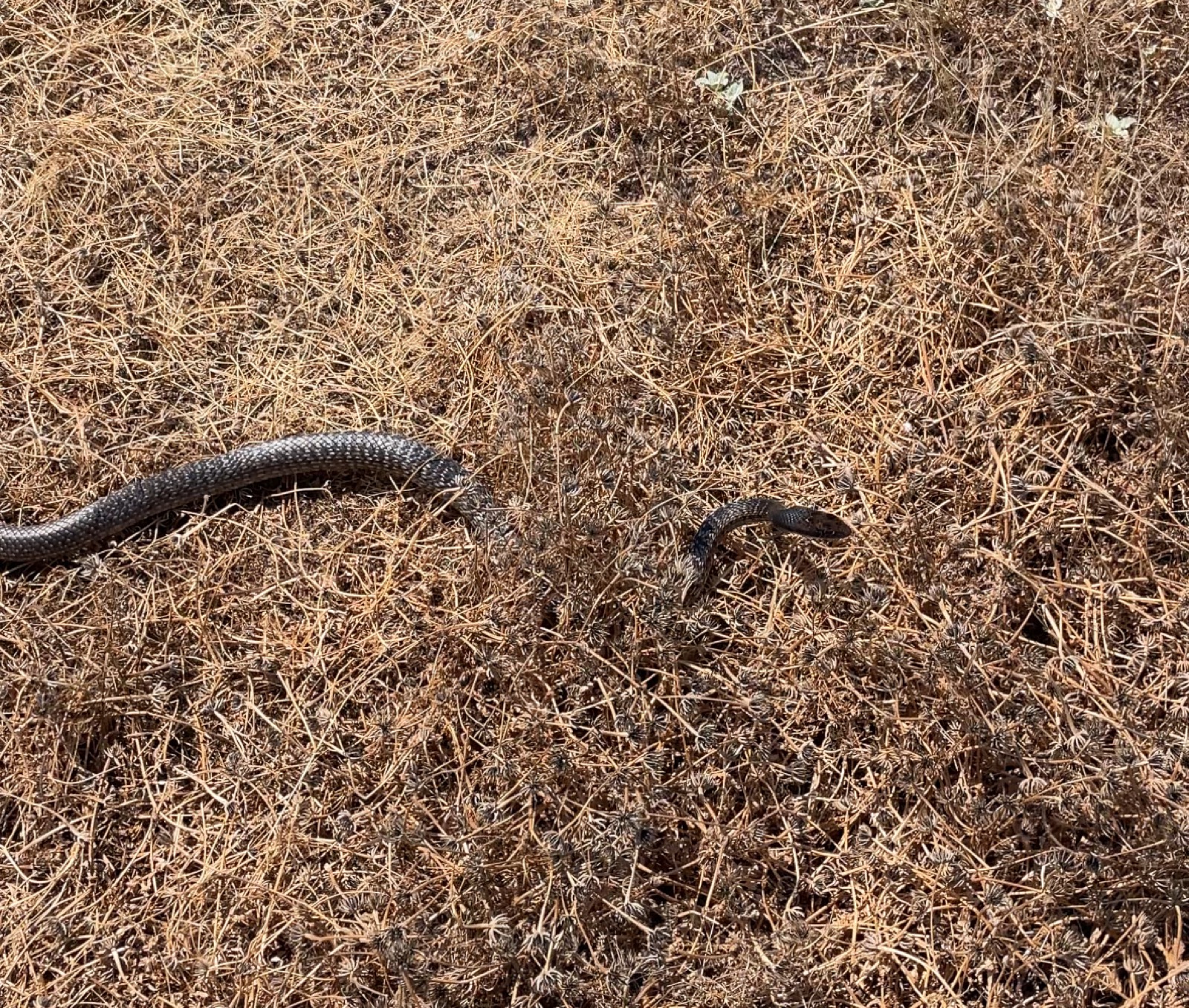
Observing a snake swaying its head from side to side or bobbing it up and down can be a fascinating, yet sometimes unsettling, experience for those unfamiliar with snake behavior. This seemingly odd movement is a perfectly natural and highly functional part of how snakes interact with their world. Far from being a sign of aggression or an attempt at 'hypnosis,' these head movements are sophisticated sensory tools that help snakes navigate, hunt, and understand their environment with remarkable precision.
One of the primary reasons snakes engage in head movements is to enhance their sense of 'smell' or chemoreception. While snakes do have nostrils, their primary method for detecting airborne chemical cues is through their forked tongue, which collects particles from the air, and their Jacobson's (or vomeronasal) organ, located in the roof of their mouth. By flicking their tongue and moving their head, a snake can sample different parts of its environment, creating a detailed 'scent map.' A slight sway allows them to compare chemical concentrations from various angles, helping them pinpoint the exact location of prey, predators, or potential mates.
Beyond chemical sensing, head movements are also crucial for a snake's vision and depth perception. Unlike many predators with forward-facing eyes that provide excellent binocular vision, most snakes have eyes positioned more on the sides of their heads, limiting their ability to judge distance accurately with a static gaze. By swaying or bobbing their head, snakes employ a technique called motion parallax. As their head moves, nearby objects appear to shift more rapidly against the background than distant ones, providing vital cues about depth and distance. This allows them to precisely gauge the distance to a potential meal or a safe hiding spot.
These coordinated head movements are particularly important during hunting. For ambush predators, a slight head sway can help them lock onto the exact position of unsuspecting prey before striking. For active foragers, bobbing and weaving can help them track the subtle movements of prey animals through dense vegetation or across uneven terrain. The ability to accurately perceive distance and direction is paramount for a successful strike or a swift pursuit, making these movements a critical component of a snake's predatory toolkit.
In certain situations, head movements can also serve as a defensive display or a form of mimicry. Some snakes, when feeling threatened, might flatten their heads and engage in a swaying motion to appear larger or more intimidating to a potential predator. Others might sway subtly to blend in with their surroundings, mimicking the movement of wind-blown leaves or branches, making them incredibly difficult for predators or prey to spot. This combination of camouflage and deceptive movement can be a highly effective survival strategy.
Finally, head movements can sometimes be observed during courtship rituals. Male snakes may use specific head bobs or swaying motions to signal their presence and intentions to a female, or to assert dominance over rival males. These visual cues, combined with chemical signals, play an important role in the complex process of snake reproduction. Regardless of the specific context, it's clear that head swaying and bobbing are purposeful and sophisticated behaviors, reflecting a snake's intricate adaptations to its environment.
Understanding why snakes sway or bob their heads helps us appreciate their complex sensory world and reinforces the importance of observing them from a safe distance. If you encounter a snake exhibiting these or any other behaviors, remember that it's simply trying to navigate its environment. Do not approach or attempt to interact with it. Instead, take a clear photograph from a safe distance and use the SerpentID app to identify the species. If it's a venomous snake, contact local wildlife services for assistance.