


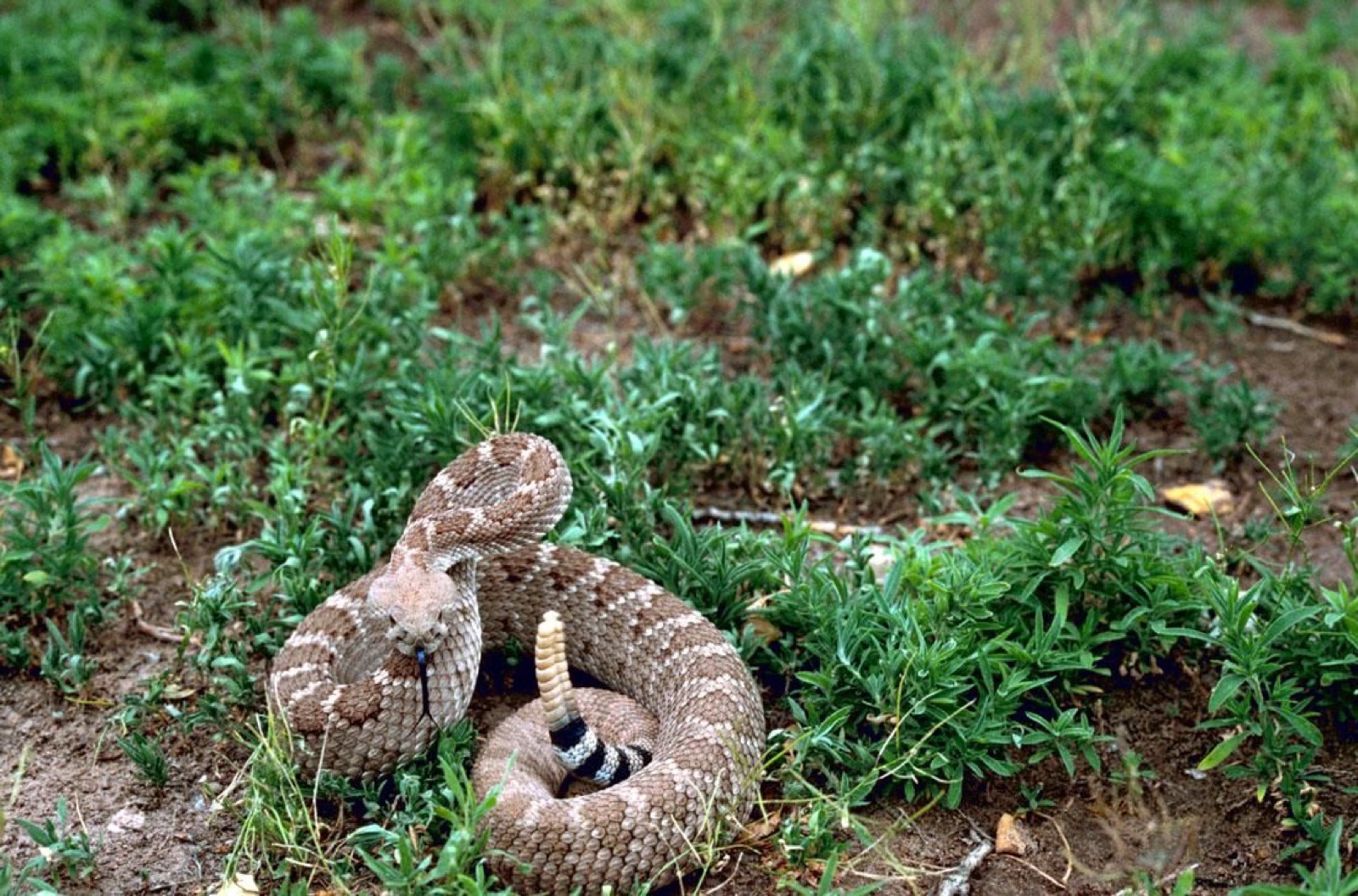
Encountering a snake that is perfectly still can be a curious and sometimes unsettling experience. Many people might assume the snake is either dead, injured, or perhaps even playing dead. However, for snakes, stillness is a fundamental and multi-faceted behavior, serving vital roles in their survival. Far from being passive, a motionless snake is often engaged in a complex strategy, whether hunting, regulating its body temperature, resting, or attempting to avoid detection.
One of the primary reasons snakes remain still is their role as ambush predators. Many snake species do not actively chase down their prey but instead rely on stealth and patience. They will find a suitable hiding spot, often camouflaged by their natural patterns, and wait for an unsuspecting rodent, bird, or amphibian to wander within striking distance. In these moments, every muscle is poised, and any movement could give away their position, costing them a meal. Their ability to stay absolutely motionless for extended periods is a testament to their hunting prowess.
Another crucial factor driving snake stillness is thermoregulation. As ectothermic (cold-blooded) animals, snakes cannot generate their own body heat and depend entirely on external sources to maintain their ideal internal temperature. This means they will often lie motionless in a sunny spot to warm up their bodies after a cool night or seek out cool shade to prevent overheating during the peak of the day. Their stillness during these periods allows for efficient heat absorption or dissipation, essential for their metabolic processes, digestion, and overall health.
Just like any other animal, snakes also need to rest and conserve energy. While snakes do not sleep in the same way mammals do, they enter periods of reduced activity and heightened relaxation. During these times, they will often coil up or stretch out in a secure location and remain largely motionless. This allows them to recover from exertion, particularly after a large meal where much of their energy is diverted to digestion. A snake might also stay still simply to conserve precious energy, especially if food is scarce or environmental conditions are unfavorable for active foraging.
Camouflage is a snake's first line of defense and offense, and stillness is its most powerful enhancer. The intricate patterns, colors, and textures of a snake's skin are evolved to blend seamlessly with its natural habitat, whether it's the mottled browns of leaf litter, the sandy hues of a desert, or the greens of dense foliage. By remaining perfectly still, a snake becomes virtually invisible to both predators looking for a meal and prey that might otherwise flee. This makes stillness an incredibly effective strategy for both evading danger and launching surprise attacks.
Finally, a snake might freeze defensively when it perceives a threat. If a snake detects a potential predator, including a human, its initial reaction may be to become completely motionless, hoping it has gone unnoticed. This 'freeze' response is a common defensive posture across many species. If the perceived threat continues to approach or startles the snake, it may then escalate to other defensive behaviors like hissing, coiling, or even striking. It's a dangerous misconception to assume a still snake is unafraid or harmless; often, it is a highly alert animal hoping you will pass by without incident.
Given the many reasons for a snake's stillness, it's crucial to approach any encounter with caution and respect. Never assume a motionless snake is dead, docile, or safe to approach. The best course of action is always to observe from a safe distance, allowing the snake to continue its natural behaviors undisturbed. If you need to identify the species, take a clear photograph from afar and use the SerpentID app to compare markings against likely local species. If the snake is venomous or you are unsure, contact local wildlife services for guidance rather than attempting to handle it yourself.