


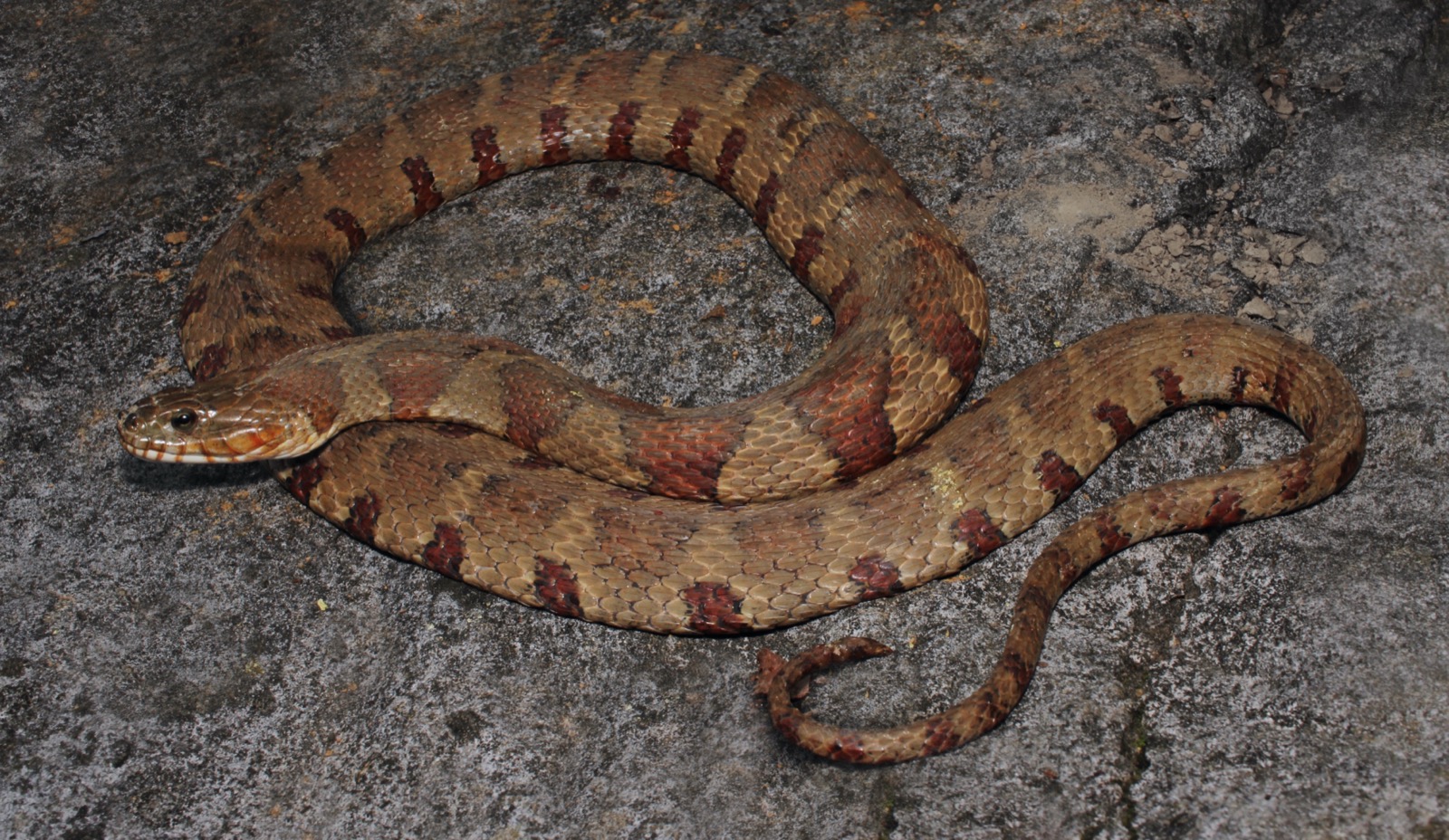
Seeing a snake coiled inside a shallow birdbath, soaking at the edge of a backyard pond, or submerged in a quiet creek often leaves onlookers wondering what driving force brought the reptile into the water. While aquatic species like water snakes and cottonmouths spend much of their lives around water, terrestrial snakes also submerge themselves deliberately. This behavior is rarely random; instead, soaking serves critical physical and physiological functions, ranging from skin maintenance to survival in extreme heat.
One of the primary reasons a snake soaks in water is to prepare for ecdysis, the process of shedding its outer skin layer. As a snake prepares to shed, fluid builds up beneath the old skin layer to help separate it from the fresh tissue underneath. If the surrounding environment is dry, this old layer of keratin can dry out prematurely, causing the skin to stick and come off in painful, incomplete patches. Soaking softens the drying skin and eye spectacles, ensuring the old layer slides off smoothly in a single continuous piece.
Thermoregulation is another major driver for soaking behavior, especially during the hottest months of summer. Because snakes are ectotherms, they cannot sweat or pant to reduce their body temperature when ambient temperatures climb to dangerous levels. Submerging their body in cooler water provides immediate heat relief, allowing the snake to drop its core temperature safely. Conversely, shallow water exposed to the morning sun can also retain warmth longer than air, drawing snakes seeking mild heat during cooler periods.
Soaking also aids snakes suffering from physical stress, dehydration, or parasite infestations. Wild reptiles frequently pick up external parasites such as ticks and mites, which lodge themselves tightly between overlapping body scales. Remaining submerged underwater for extended stretches effectively drowns these unwanted pests, providing the snake relief from irritation and blood loss. Additionally, soaking allows dehydrated snakes to absorb moisture through their skin and mouth, replenishing vital fluids after long dry spells or prolonged digestive fasts.
While many people assume a soaking snake is aquatic or aggressive, most terrestrial snakes resting in shallow water are simply taking advantage of a vital resource. Species ranging from rat snakes and garter snakes to copperheads and rattlesnakes will gladly soak when local conditions demand it. Knowing why snakes enter water helps outdoor enthusiasts and homeowners understand natural reptile habits without jumping to conclusions about danger or infestation.
If you encounter a snake soaking near your garden, pool, or local trail, the best approach is to keep a respectful distance and observe without disturbing it. Taking a clear photograph from a safe distance allows you to upload the image to SerpentID, where smart pattern recognition compares your photo against local species to give you a fast, reliable identification. Should the snake turn out to be a venomous species resting in an inconvenient location, always leave it alone and contact local wildlife management professionals to relocate the animal safely.