


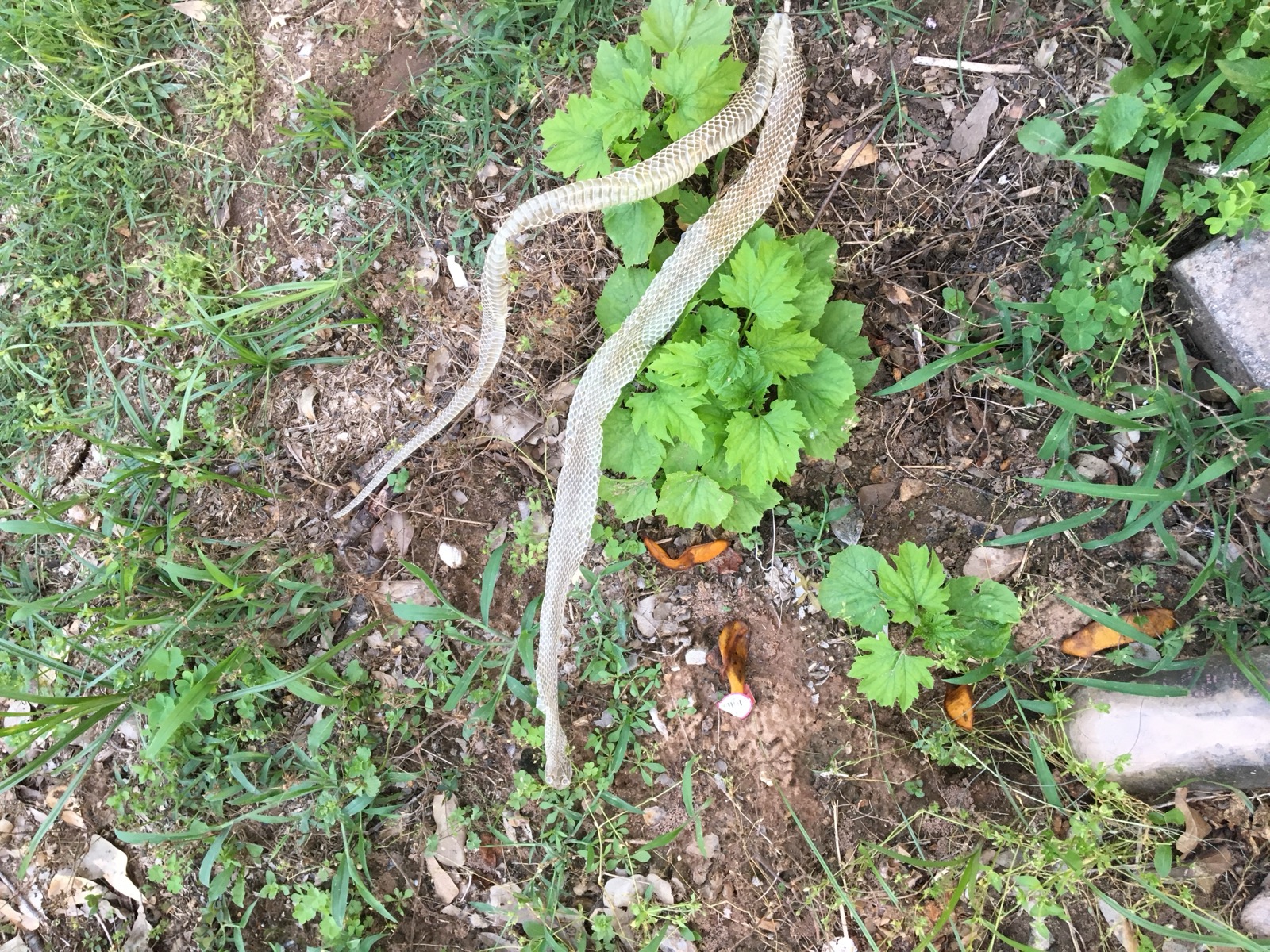
Unlike mammals, birds, or even many other reptiles that lose their skin in small flakes or patches, healthy snakes shed their entire outer skin layer in a single intact piece. This dramatic process, known scientifically as ecdysis, occurs because a snake's outermost epidermal layer is a seamless, tough sheet of keratin that protects the animal from abrasion, parasites, and dehydration. As the snake grows or repairs worn tissues, this outer layer loses its elasticity and must be replaced as a complete, unified unit rather than slowly wearing away.
The preparation for a successful shed begins deep within the epidermis days before the outer layer actually comes off. Beneath the old, worn skin, the snake generates a brand new layer of keratin-rich skin. Once this lower layer is fully formed, the snake secretes a thin layer of lymph fluid and specialized enzymes between the old and new skin. This fluid temporarily separates the two layers, causing the snake's colors to look dull and turning its eyes a milky, opaque blue. During this phase, the snake is nearly blind and tends to remain hidden in a safe, humid retreat until the fluid is reabsorbed and its vision clears.
When the time comes to shed, the snake creates a tear at the tip of its snout or chin by repeatedly rubbing its head against rough surfaces like rocks, bark, or hard soil. Once an opening is established, the snake uses muscular contractions and slowly moves forward, pressing its body against surrounding terrain. This forward movement rolls the old skin backward over its head and down the length of its body, inside-out, much like taking off a tight sock. If the snake is adequately hydrated and the surrounding environment has sufficient humidity, the entire sheath glides off seamlessly without tearing.
A single, unbroken shed skin offers important clues about a snake's overall physiological condition. In the wild, incomplete shedding—where skin comes off in ragged patches or remains stuck around the head and tail—is usually a sign of dehydration, illness, or insufficient environmental moisture. Stuck skin around the eyes or tail tip can eventually lead to infections or circulation issues. Therefore, finding a perfectly intact, transparent tube of shed skin in the wild demonstrates that the snake responsible was healthy, well-hydrated, and successfully managing its surroundings.
Finding an intact shed skin in your yard or on a trail is a fascinating field discovery, but it also means a snake lives nearby or has recently passed through the area. If you happen to spot the snake itself while exploring or gardening, always maintain a respectful, safe distance. You can take a clear photograph from several feet away and submit it to SerpentID, which uses body proportions, scale textures, and local geographic data to quickly narrow down candidate species. Should the snake prove to be a venomous species resting in an inconvenient area, contact your local wildlife control or animal service professional to handle relocation safely.