


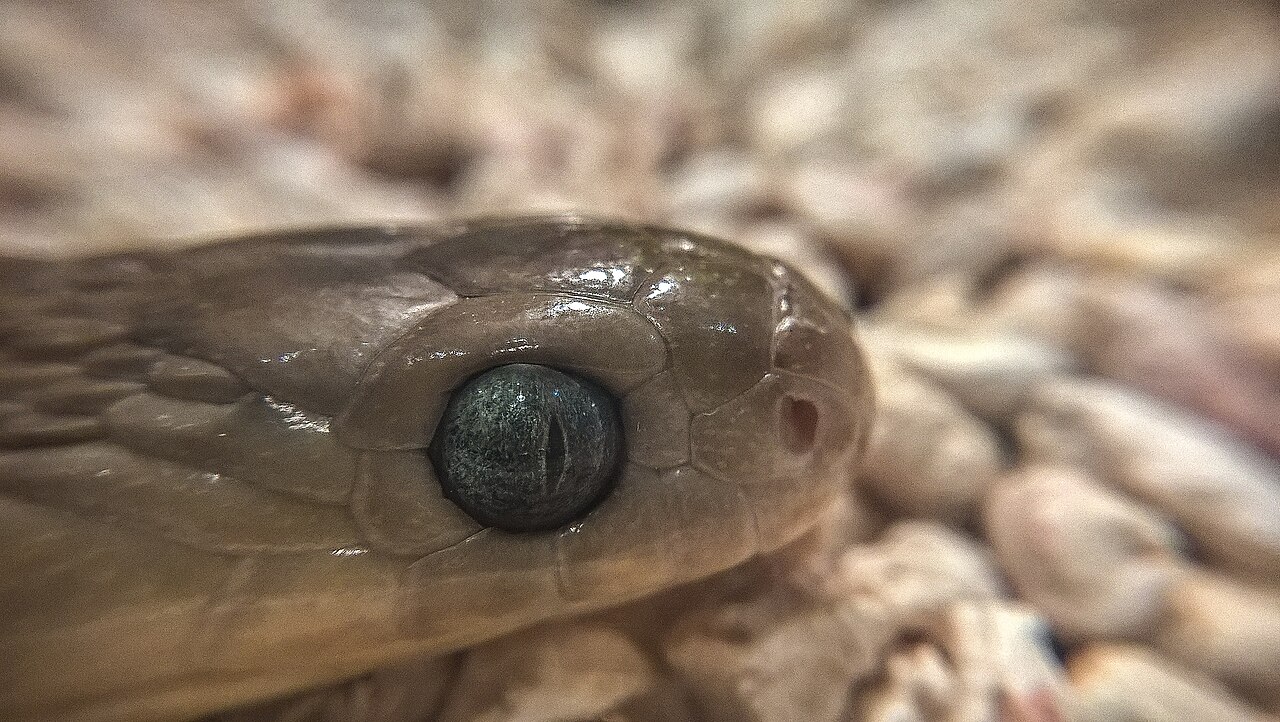
Many homeowners and reptile enthusiasts are startled when they notice a snake with cloudiness or a bluish haze covering its eyes. This strange visual transformation leads to questions about whether the animal is blind, sick, or shedding its actual eyes. In reality, snakes do not shed their physical eyes; instead, they shed a specialized, clear scale called the spectacle or brille that covers and protects the eye surface. Because snakes evolved without movable eyelids, this fused transparent scale serves as a permanent shield against dirt, friction, and moisture loss.
The shedding of the eye scale is part of the snake's broader molting process, known as ecdysis. As a snake grows or repairs worn skin, a new layer of epidermis develops underneath the old one. To separate these two layers, the body secretes a lubricating fluid rich in enzymes. When this fluid fills the space beneath the old eye scale, it scatters light, turning the eyes an opaque, cloudy, or milky blue color. During this phase, often referred to by herpetologists as being in the blue, the snake's vision is severely reduced, making the animal unusually cautious, defensive, or secretive.
After a few days, the body reabsorbs this fluid, and the snake's eyes temporarily clear up right before the physical shed takes place. The actual shedding process begins at the head, where the snake rubs its snout against rough surfaces like rocks, bark, or hard ground. As the old skin peels back over the head, the old spectacles detach seamlessly alongside the rest of the facial skin, turning inside out like a discarded sock. If you examine a complete shed skin, you will see two clear, round, lens-like caps right where the head pattern ends.
Sometimes, environmental factors like low humidity can cause a shed to go wrong, resulting in a retained eye cap where the old spectacle fails to detach. A stuck eye cap can impair the snake's sight and cause discomfort over multiple shed cycles. In the wild, snakes rely on natural dampness and textured terrain to work these stubborn scales free. While captive snakes may require gentle humidity adjustments from keepers, wild snakes should never be caught or handled to manually remove stuck skin, as pulling on a retained spectacle can cause severe damage to the delicate eye underneath.
Understanding the mechanics of eye shedding helps explain why a snake in your yard might suddenly seem sluggish or extra reactive. If you encounter a snake with cloudy blue eyes around your property, give it plenty of space, as its restricted vision makes it feel particularly vulnerable to potential predators. You can safely photograph the animal from a distance and use SerpentID to identify the species by comparing its pattern and regional range. If the snake turns out to be a venomous species in a high-traffic area, contact your local wildlife service to handle relocation safely.