


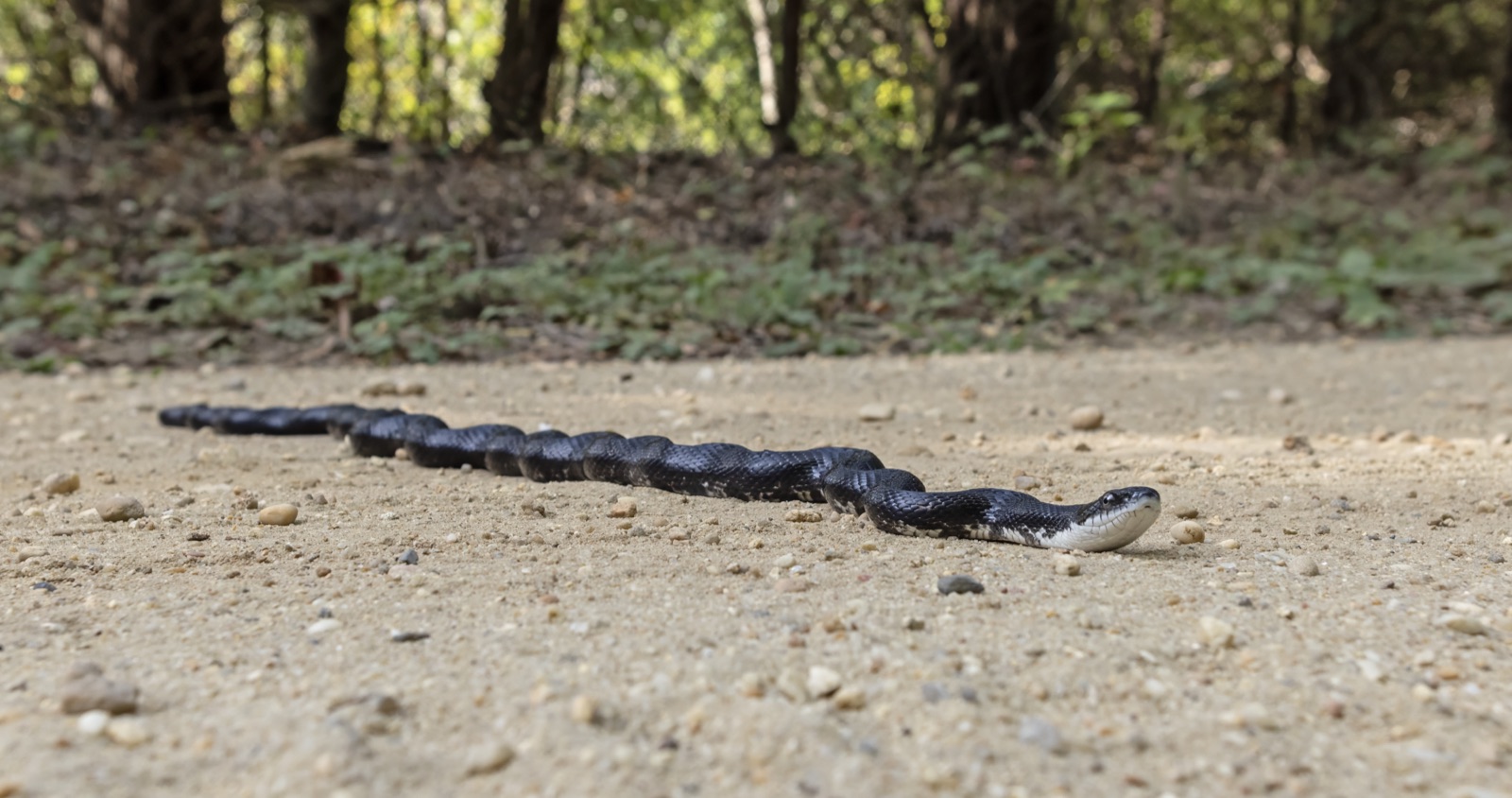
When a snake expels its meal, often appearing undigested, it’s a clear indication that the animal is under significant stress or experiencing conditions unsuitable for proper digestion. This act, known as regurgitation, is a survival strategy rather than a sign of illness in many cases, although it comes at a substantial cost to the snake. Unlike vomiting, which involves partially digested food, regurgitation typically involves the expulsion of a whole or mostly intact prey item, signifying that the digestive process has been interrupted or halted entirely.
Digestion is a highly energy-intensive process for snakes, which are ectothermic, meaning they rely on external heat to regulate their body temperature. After consuming a meal, a snake requires a specific range of ambient temperatures to efficiently break down its food. If the surrounding environment becomes too cold, the snake's metabolism slows dramatically, and digestion can cease. In such scenarios, the undigested food can begin to rot internally, posing a serious health risk. Regurgitation, therefore, becomes a necessary and life-saving measure to prevent internal decay and potential infection.
Environmental factors are common triggers for regurgitation. Sudden and prolonged drops in temperature, especially after a large meal, can quickly render a snake's digestive efforts futile. If a snake cannot find a sufficiently warm basking spot or is forced into a cool hiding place while digesting, it might choose to regurgitate. Conversely, extreme heat can also be a stressor; if a snake becomes overheated and needs to move to cooler shelter, the physical exertion and disruption to its resting state can lead to the expulsion of its meal.
Beyond temperature, perceived threats and physical distress are powerful motivators for a snake to regurgitate. A snake with a full stomach is slow, heavy, and vulnerable, making it an easy target for predators. If a snake encounters a human, a natural predator, or experiences sudden loud noises or vibrations, its instinct might be to lighten its load to facilitate a swift escape. Handling a snake that has recently eaten, even gently, can also induce regurgitation due to the stress of being restrained. Additionally, the prey itself can be a factor if it’s too large, diseased, or simply not suitable for the snake's digestive system.
It is crucial to understand that regurgitation is a highly taxing event for a snake. It results in a significant loss of vital energy, fluids, and nutrients, leaving the snake severely dehydrated and weakened. A snake that has just regurgitated will be particularly vulnerable and will need an extended period of rest and recovery before it can safely attempt to feed again. For this reason, it is not a behavior that a snake undertakes lightly; it is a last resort in the face of significant physiological or environmental challenges.
If you witness a snake regurgitating in your yard or during an outdoor encounter, it is a strong signal that the snake is under immense stress. The most responsible and safest course of action is to immediately retreat and give the snake a wide berth. Do not attempt to approach, handle, or interfere with the snake in any way. Allow it ample time and space to recover undisturbed, as any further disturbance could exacerbate its distress and compromise its survival.
Understanding the reasons behind snake behaviors like regurgitation helps us appreciate their complex survival strategies and reinforces the importance of respectful observation from a safe distance. If you encounter a snake and are unsure of its species or how to react, remember that the SerpentID app can help you identify it quickly and safely. Simply take a clear photograph from a distance, and our system will compare its markings against local species, providing you with valuable information to ensure both your safety and the snake's well-being. If you suspect a venomous species, contact local wildlife services immediately for expert assistance.