


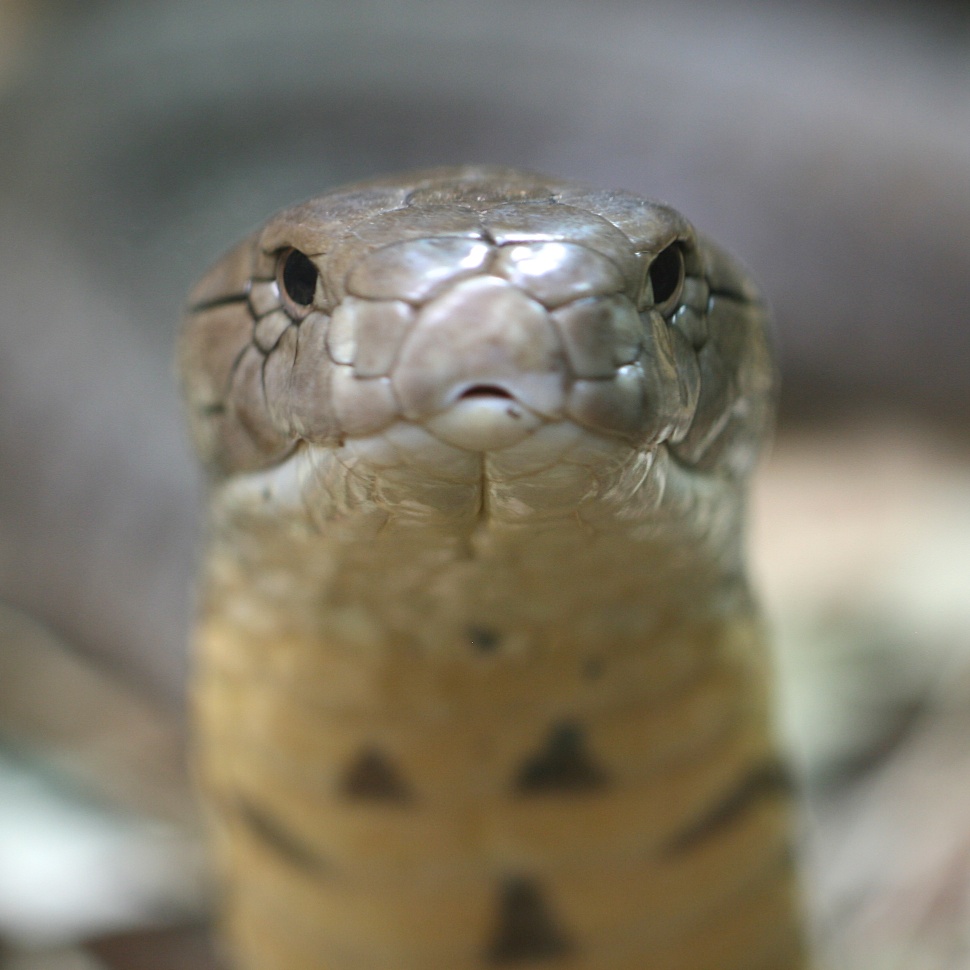
It can be alarming to see a snake open its mouth wide when there is no food in sight. While a wide-open jaw is most famous as the final step before swallowing prey, serpents frequently gap or stretch their mouths for entirely routine, non-aggressive reasons. In the vast majority of field and yard encounters, open-mouth behavior is either a physical realigning of the snake's complex skull bones or a clear communication intended to ward off potential predators.
The most common reason a snake opens its mouth wide without striking is jaw adjustment. A snake's lower jaw is split into two independent halves connected by an elastic ligament, and numerous small bones in the skull shift significantly during the ingestion of prey. After swallowing a meal—or even after a long period of rest—a snake will yawningly stretch its jaws wide to snap these bones, ligaments, and surrounding muscles back into their neutral anatomical positions.
Another reason for open-mouth behavior involves sensory gathering and thermoregulation. While snakes primarily rely on their flicking tongues to sample chemicals in the air, opening the mouth slightly allows air to flow directly over the Jacobson's organ located in the roof of the mouth, helping them process intense environmental smells. Additionally, when a snake becomes dangerously overheated in direct sun, it may resort to open-mouth panting or gaping as a emergency method to shed core body heat.
Defensive displays represent the most obvious and dramatic reason a snake opens its mouth around humans. Species like the cottonmouth, eastern hognose, and various cobras use a stark, wide-open mouth display to visually warn perceived threats before escalating to a physical strike. By exposing the pale interior of the mouth, puffing up the body, or pairing the visual cue with a deep hiss, the snake is attempting to look intimidating so that you will step away and leave it alone.
Finally, persistent open-mouth breathing that occurs without a defensive context can be a sign of illness. Respiratory infections are relatively common in wild and captive reptiles exposed to sudden temperature drops or high humidity, leading to excess mucus production in the airway. If a snake is repeatedly holding its mouth slightly open, wheezing, or bubbling at the nostrils, it is likely struggling to breathe rather than executing a behavioral display.
When you observe a snake opening its mouth in your yard or on a trail, the best response is to pause and give the animal plenty of space. You can photograph the snake from a safe distance of several feet and use SerpentID to compare its pattern, color, and head shape against common local species in your area. If the snake turns out to be a venomous species or appears trapped in a living space, contact a qualified local wildlife removal service to manage the situation safely.