


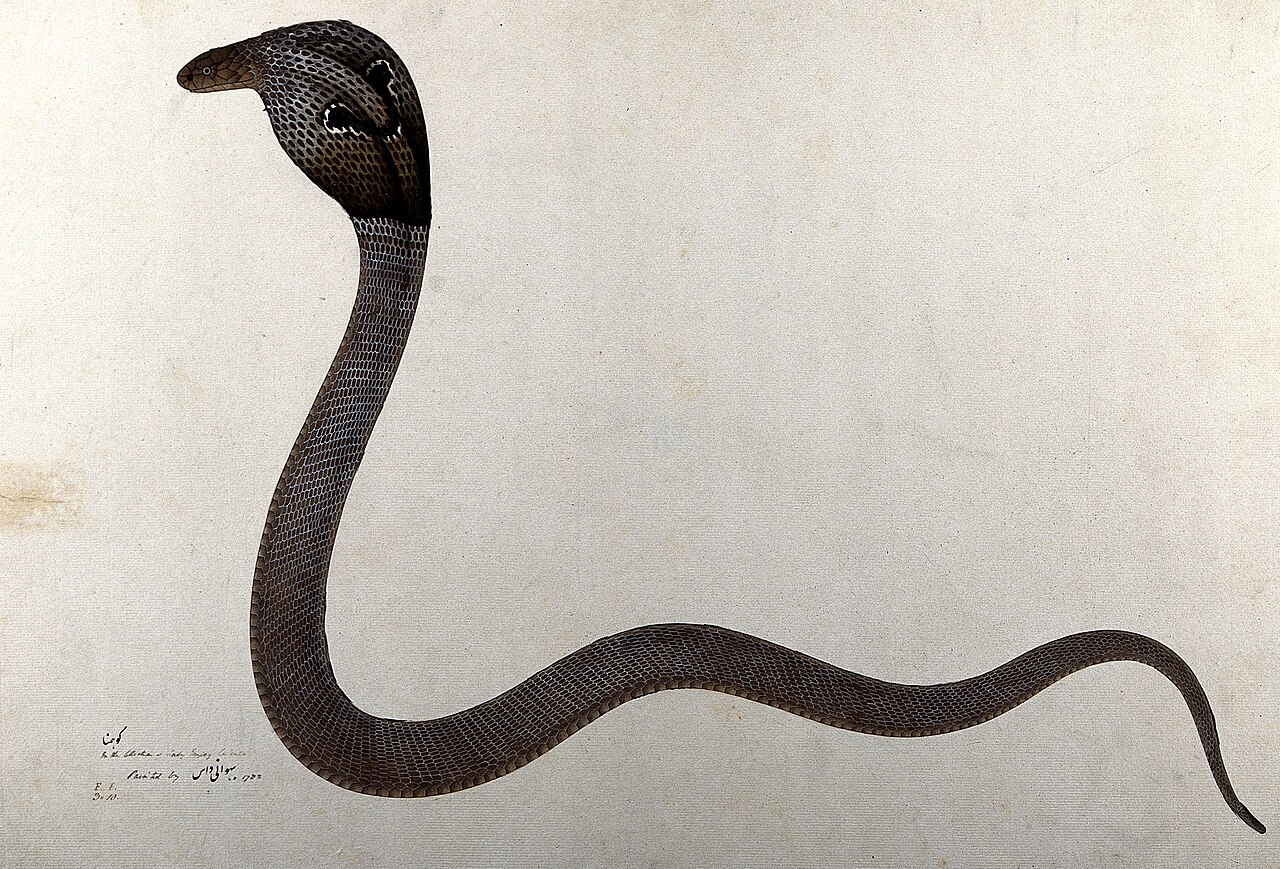
Why do snakes hiss is easy to misread as aggression, but a hiss is fundamentally a warning rather than a threat to follow through. When a snake feels cornered or alarmed, the hiss is its way of saying 'I am here, I am big, leave me alone.' It is defensive communication aimed at making a potential threat back off so the snake does not have to do anything more — the opposite of a snake looking for a fight.
The sound itself is pure airflow. Snakes have no vocal cords, so a hiss is made by forcing air rapidly in and out through the windpipe and a small structure called the glottis at the base of the mouth. There is no voice behind it, just breath moving hard through a narrow opening — which is why a hiss is a flat, rushing sound rather than anything with pitch or tone, and why a larger snake with more lung capacity produces a louder, deeper one.
A hiss usually arrives bundled with other warning signals, and reading the whole package matters more than the sound alone. A defensive snake often pulls into a tight coil, lifts and pulls back its head, holds its ground, puffs or flattens its body to look bigger, and may gape its mouth — and some species add a tail-rattle or vibration. The hiss is one channel in a clear 'do not come closer' broadcast, not a sign the snake is about to chase you.
It is worth knowing that hissing tells you very little about whether a snake is venomous. Plenty of completely harmless species hiss loudly and dramatically — some, like certain rat snakes and hognose snakes, are well known for bluffing — precisely because a convincing warning lets a defenseless animal avoid a fight. So a loud hiss is evidence that a snake feels threatened, not evidence that it is dangerous, and you cannot grade the risk by volume.
The correct response to a hiss is to do exactly what the snake is asking: stop, give it space, and let it retreat. A hissing snake is at the limit of its patience, and crowding it, trying to move it, or reaching toward it is what turns a warning into a bite. Back away slowly, keep pets and children clear, and the great majority of hissing snakes will simply leave once the perceived threat is gone.
What a hiss cannot tell you is which species is doing the warning, and that is the detail that decides how cautious to be. From the safe distance a hissing snake is already demanding, photograph it and let SerpentID compare its markings against likely local species — then you can judge whether you are listening to a harmless bluffer or a venomous animal that warrants a wide berth and, if needed, a call to local wildlife help.