


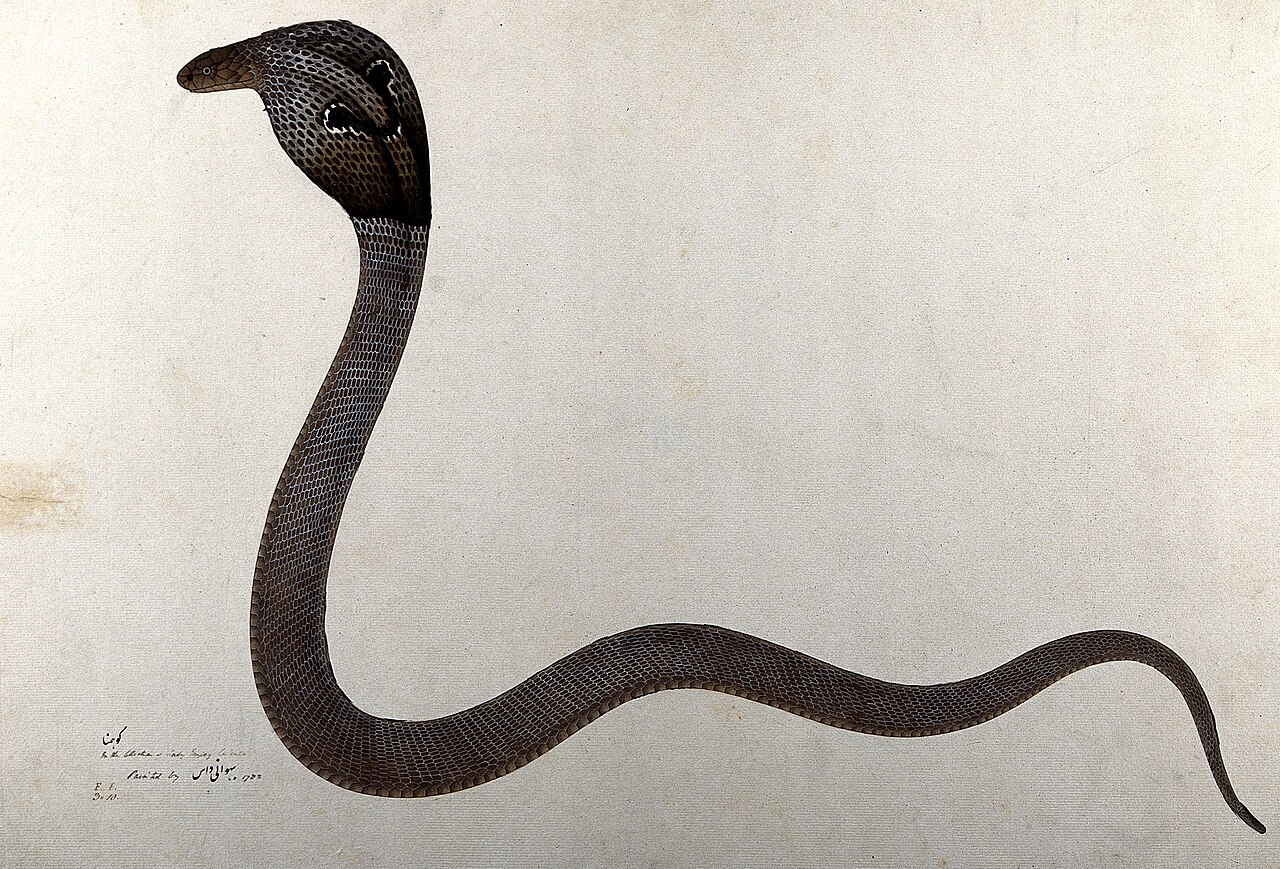
When faced with a perceived threat, many snakes exhibit a fascinating defensive behavior: they flatten their heads or even their entire bodies. This dramatic transformation is not an act of aggression but rather a sophisticated bluff, designed to make the snake appear much larger and more formidable than it actually is. It's a visual deterrent, a warning display intended to scare away potential predators or perceived dangers without the need for physical confrontation. This behavior is widespread across many snake species, both venomous and non-venomous, and understanding it is key to accurately interpreting a snake's intentions when you encounter one.
The specific way a snake flattens varies by species. Some, like the well-known hognose snakes, will flatten their heads into a broad, triangular shape, sometimes even spreading their neck and body to appear wider and more intimidating. Others, such as various rat snakes or water snakes, might flatten their entire body dorsoventrally, turning a slender profile into a wide, ribbon-like form. The most iconic example is perhaps the cobra, which famously expands its neck ribs to form a wide, intimidating hood. All these variations serve the same primary purpose: to visually exaggerate the snake's size and make it seem like too much trouble for a predator to attack.
A critical point often misunderstood is the myth that a triangular head automatically signifies a venomous snake. While many venomous snakes, particularly pit vipers, naturally possess a somewhat triangular head shape due to their venom glands, countless non-venomous species can mimic this appearance by flattening their heads when threatened. This defensive flattening can make a harmless garter snake or a common rat snake look surprisingly similar to a venomous copperhead or rattlesnake to an untrained eye. Relying solely on head shape for identification is therefore unreliable and can lead to dangerous misjudgments or unnecessary fear.
Often, flattening the head or body is just one component of a larger defensive display. A snake might also hiss loudly, puff itself up with air, or even perform mock strikes or "play dead" to further deter a threat. For instance, a hognose snake might flatten its head, hiss, and strike repeatedly with a closed mouth before rolling over and feigning death. These behaviors are all part of a repertoire designed to avoid a direct conflict. It's important to remember that these are stress responses; a snake exhibiting such behavior is feeling threatened and is trying to communicate a desire to be left alone.
Snakes are generally not aggressive creatures; they prefer to avoid confrontation whenever possible. Defensive flattening, along with other warning signals, is a last-ditch effort to prevent themselves from being harmed. They typically only resort to such displays when they feel cornered, surprised, or unable to escape. Understanding that these are defensive, rather than offensive, actions can help people react calmly and appropriately when encountering a snake, recognizing that the snake is simply trying to protect itself.
Observing a snake flattening its head or body should serve as a clear signal to give it space and back away slowly. Do not attempt to approach, handle, or harass the snake, as this will only intensify its feeling of threat and increase the likelihood of a bite. If you encounter a snake displaying this behavior, the best course of action is to observe it from a safe distance without making sudden movements. If you need to identify the species, take a clear photograph from afar. SerpentID can help you compare its markings against likely local species. If you suspect the snake is venomous, or if it poses an immediate danger to people or pets, contact your local wildlife services or a professional snake removal expert for safe and humane relocation. Never attempt to handle a potentially venomous snake yourself, and if a bite occurs, seek professional medical help immediately.