


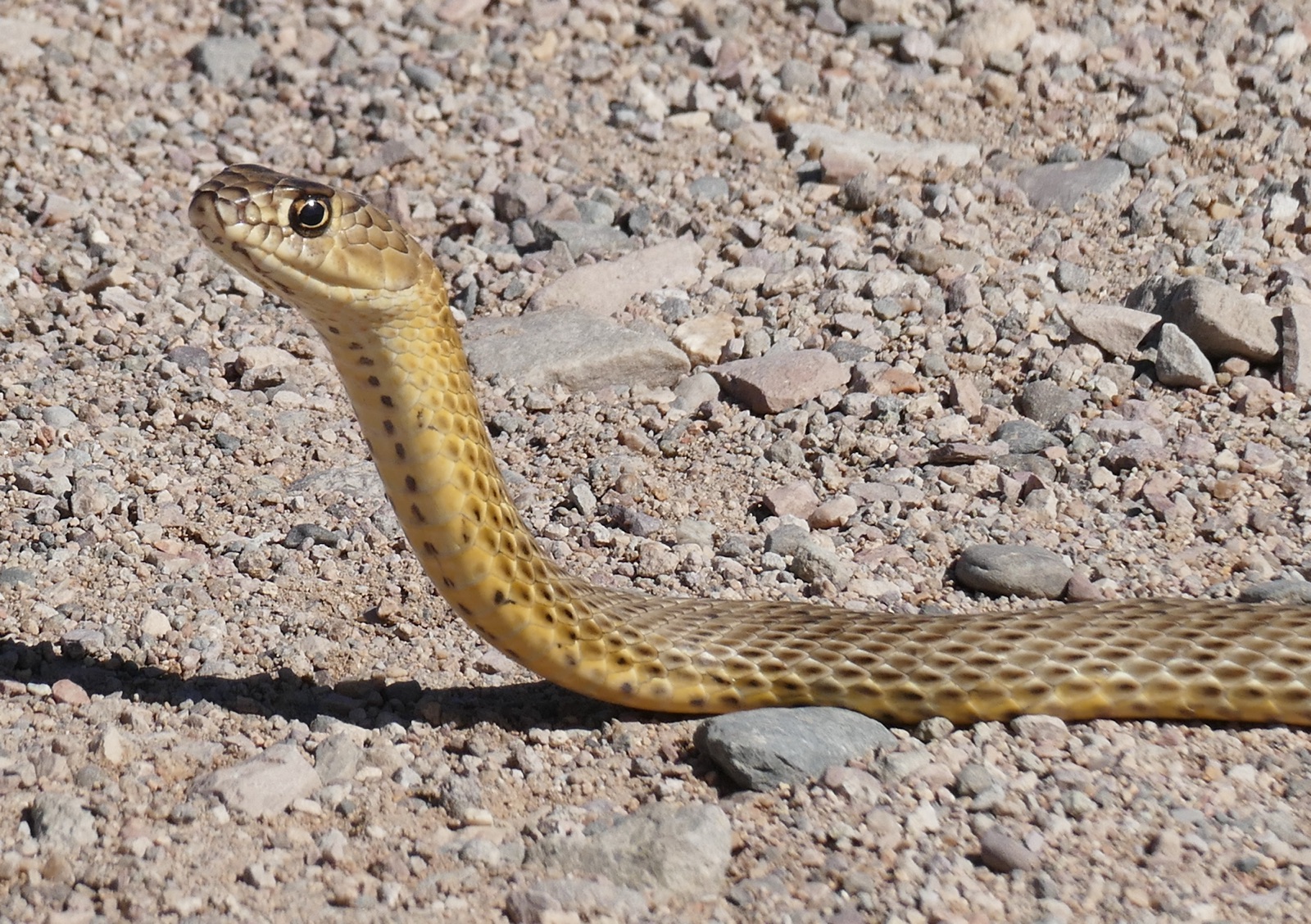
Encountering a snake on a road is a surprisingly common experience for many people, whether in rural landscapes or even suburban fringes. This sight often sparks curiosity and concern: why would a snake put itself in such a vulnerable position? The truth is, roads are often laid directly through existing snake habitats, acting as artificial barriers or corridors that these animals must cross to fulfill their fundamental needs. Their journeys are typically driven by a combination of instinctual urges to find food, locate mates, or seek out new shelter and territory.
One primary reason snakes cross roads is in pursuit of food. Many snake species are active hunters, constantly moving to find prey such as rodents, birds, amphibians, or even other reptiles. A road might lie directly in the path of a snake tracking a scent trail, or it could separate a snake from a known feeding ground. For instance, a rat snake might be following the scent of a mouse across a quiet street, unaware of the potential danger. These movements are often more frequent during warmer months when prey is abundant and snakes are more active metabolically.
The search for a mate is another powerful motivator for snakes to traverse open areas, including roads. During breeding seasons, particularly in spring and early summer, male snakes will travel considerable distances to find receptive females. This can lead them across various terrains, including paved or gravel roads, as they follow pheromone trails left by potential partners. These mating journeys are a critical part of their life cycle, essential for the continuation of their species, even if they expose them to significant risks.
Snakes also cross roads when they are seeking new shelter or expanding their territory. Young snakes, once hatched or born, will disperse from their birth site to establish their own home ranges. Older snakes may relocate if their current habitat becomes unsuitable due to changes in temperature, scarcity of prey, or human disturbance. Roads can also attract snakes directly; the warm asphalt can be an inviting spot for a snake to bask and regulate its body temperature, especially during cooler mornings or evenings, inadvertently drawing them into hazardous zones.
Environmental conditions play a significant role in when and why snakes cross roads. After heavy rains, snakes might move to higher ground to avoid flooded burrows, or they might be attracted by an increase in prey activity. Cooler weather can drive them to seek out the warmth retained by asphalt, making them more visible on roads at dawn or dusk. Conversely, extreme heat might push them to cross quickly to find shade. Understanding these patterns can help predict when and where you might encounter a snake on the move.
While snakes crossing roads are a natural phenomenon, these encounters pose significant risks to both the snakes and, in rare cases, to humans. Vehicles are a major cause of snake mortality, contributing to population declines in many areas. For humans, an unexpected snake on the road, especially at night or in low visibility, can lead to sudden braking or swerving, creating a traffic hazard. It is always safest to slow down, give the snake space if you can, and allow it to pass safely.
If you encounter a snake on a road, remember to keep a safe distance and never attempt to handle or move it yourself. A photograph from a safe distance can be invaluable for identification. If you're unsure whether the snake is venomous, or if it appears to be injured or in an unusual location, contact your local wildlife services for advice. The SerpentID app can help you identify local species quickly and safely, guiding your next steps without putting yourself or the snake at further risk.