


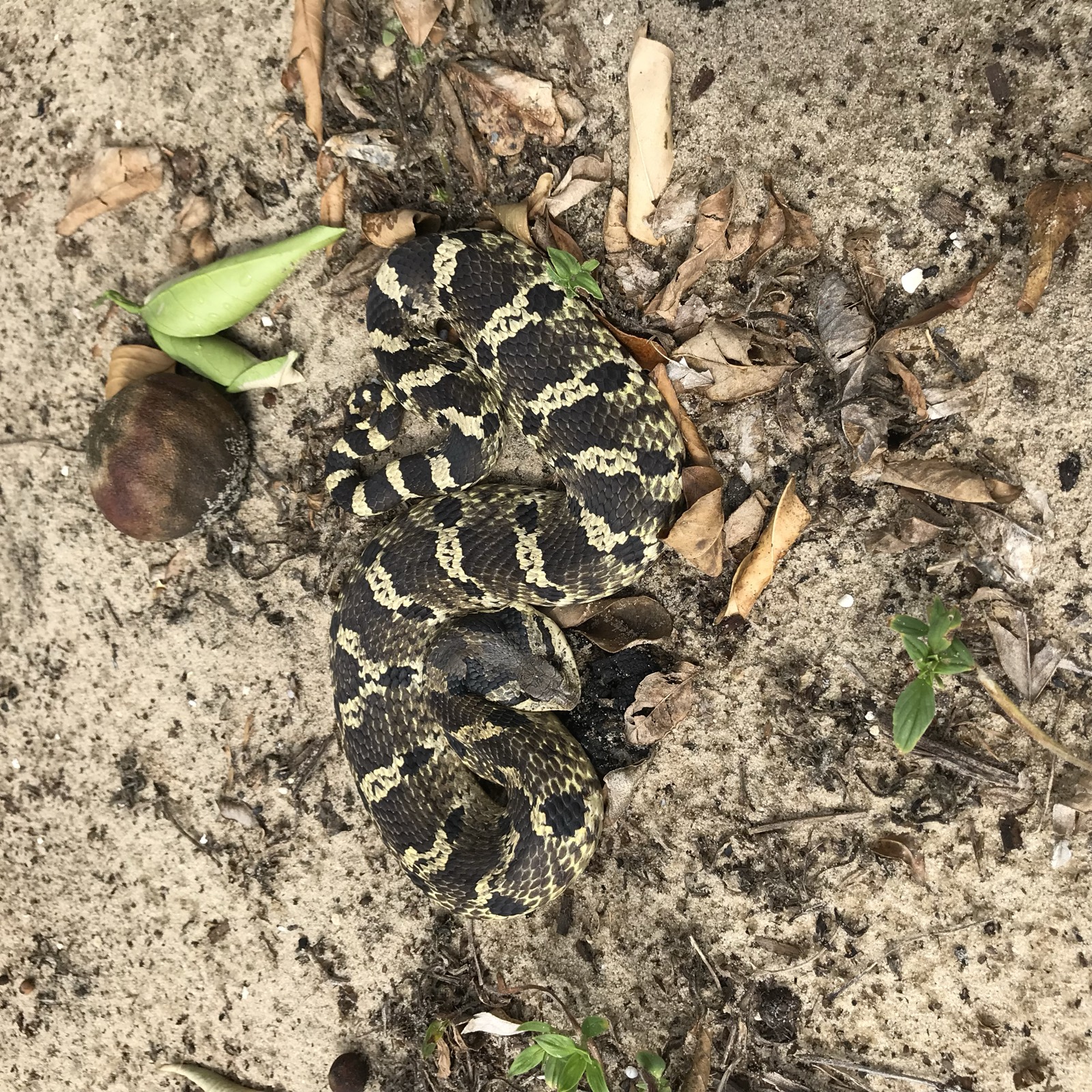
Few wildlife encounters are as alarming as seeing a snake suddenly bleed from its mouth, eyes, or lower body while coiled or lying on its back. When surprised, handled, or cornered, a small number of specialized snake species deliberately release blood or foul-smelling fluids as a survival tactic. Known scientifically as autohaemorrhaging, this voluntary bleeding is designed to make the reptile appear mortally wounded, unpalatable, or already dead to potential predators.
The eastern hognose snake of North America is perhaps the most famous practitioner of this dramatic show. When early defensive displays like hissing and flattening the neck fail to scare away an intruder, a hognose snake will roll onto its back, open its mouth wide, and go limp. As part of this elaborate death feign, tiny blood vessels lining the lining of the mouth or sinus cavities rupture intentionally, causing droplets of red blood to pool in the throat or trickle from the mouth and nostrils.
Beyond the mouth, some snakes can pressurize blood vessels near their eyes or tail vent to squeeze out bloody drops when distressed. In addition to blood, snakes frequently combine this trick with musk—a pungent, musk-heavy fluid released from glands in the cloaca. The combination of thick blood, limp posture, and an overpowering odor tricks predators into believing the snake is toxic, diseased, or decayed, prompting the attacker to drop the snake and move on.
It is important to distinguish between deliberate defensive autohaemorrhaging and genuine, harmful physical trauma. While autohaemorrhaging looks severe, the actual volume of blood lost is tiny and quickly controlled once the perceived danger passes and the snake feels safe again. True internal bleeding or crushing injuries, on the other hand, usually result in continuous bleeding, obvious bodily deformity, or inability to slither away after being left alone.
Understanding these dramatic survival behaviors underscores why observing snakes from a respectful distance is always the best approach. Pushing a snake to the point of playing dead and bleeding causes significant biological stress to the animal, taking valuable energy it needs for hunting and thermoregulation. If you encounter a snake exhibiting defensive behavior on your property or on the trail, giving the animal plenty of room allows it to recover calmly and retreat into nearby cover.
If you spot an unfamiliar snake in your yard or home and cannot tell whether it is harmless or venomous, refrain from touching or startling it. Taking a clear photo from a safe distance allows SerpentID to analyze scale patterns and color markings against local native species to help you accurately identify the visitor. If the snake proves to be a venomous species, contact your local wildlife control or animal removal professionals to handle the situation safely.