


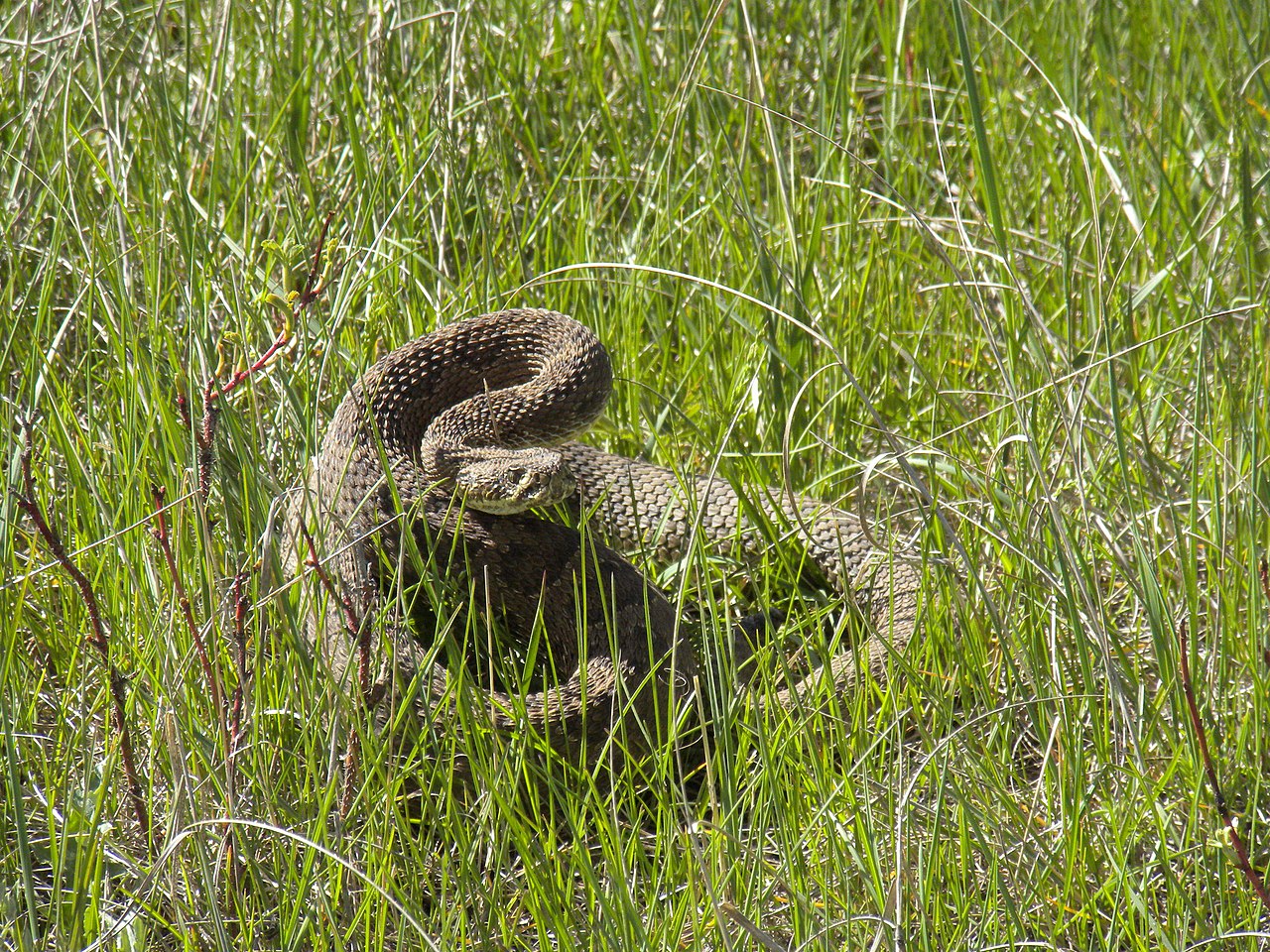
The distinctive sound of a rattlesnake's rattle is one of nature's most recognizable and effective warning signals. Far from an act of aggression, this buzzing sound is a defensive mechanism, a clear and unmistakable plea from the snake for space and to be left alone. When a rattlesnake feels threatened, surprised, or cornered, it will often vibrate its tail rapidly, causing the segments of its rattle to clatter together. This serves as an audible deterrent, signaling to potential predators or encroaching humans that they are too close and should retreat.
The rattle itself is a fascinating biological structure, composed of hollow, interlocking segments made of keratin, the same material found in human fingernails and hair. Each time a rattlesnake sheds its skin, a new segment is added to the base of the rattle. The snake uses powerful muscles at the base of its tail to vibrate the segments against each other at an astonishing speed, sometimes up to 50 times per second. This rapid movement creates the characteristic dry, buzzing, or hissing sound that can be heard from several feet away, depending on the size of the snake and the surrounding environment.
The primary purpose of rattling is to avoid conflict. A rattlesnake expends considerable energy producing this sound, and striking is an even more energy-intensive and risky maneuver. By providing an audible warning, the snake hopes to avoid a physical confrontation altogether. This behavior is particularly common when the snake feels it cannot escape or camouflage itself effectively. It's important to remember that a rattlesnake would much rather deter a threat with a warning than engage in a bite, which is a last resort, primarily used for securing food or in extreme self-defense.
While the rattle is an iconic feature, it's a common misconception that all rattlesnakes will rattle before striking, or that the absence of a rattle means a snake is not venomous. Young rattlesnakes may not have a fully developed rattle, and even adult snakes might not rattle if they are startled, feel suddenly threatened, or believe they can remain undetected. Factors like ambient noise, wind, or the snake's specific temperament can also influence whether and how loudly it rattles. Therefore, relying solely on hearing a rattle for safety is not a reliable strategy; vigilance in snake habitat is always paramount.
If you do hear a rattle, the most crucial response is to freeze immediately to locate the source of the sound. Once you have identified the snake's general direction, slowly and calmly back away, giving it a wide berth. Never attempt to approach the snake, handle it, or try to provoke it. Most rattlesnake bites occur when people try to interact with or harm the snake. Remember, the snake is giving you a warning; respect it and move away.
Rattlesnakes play a vital ecological role as predators, primarily feeding on rodents, which helps control pest populations. Their defensive behaviors, including rattling, are integral to their survival in diverse ecosystems across the Americas. Understanding and respecting these behaviors allows both humans and snakes to coexist more safely in shared environments. The rattle is a testament to their evolutionary success, a clear signal of their desire to avoid harm and protect themselves.
Encountering a rattlesnake can be startling, but knowing what its rattle means is key to reacting safely. Always maintain a safe distance. If you encounter a snake and are unsure of its identity, or if it appears to be a rattlesnake, take a clear photo from a safe distance without approaching it. The SerpentID app can help you identify local species. If you suspect a venomous snake is in an area where it poses an immediate threat to people or pets, contact your local animal control or a professional snake removal service. Never attempt to handle or remove a venomous snake yourself.