


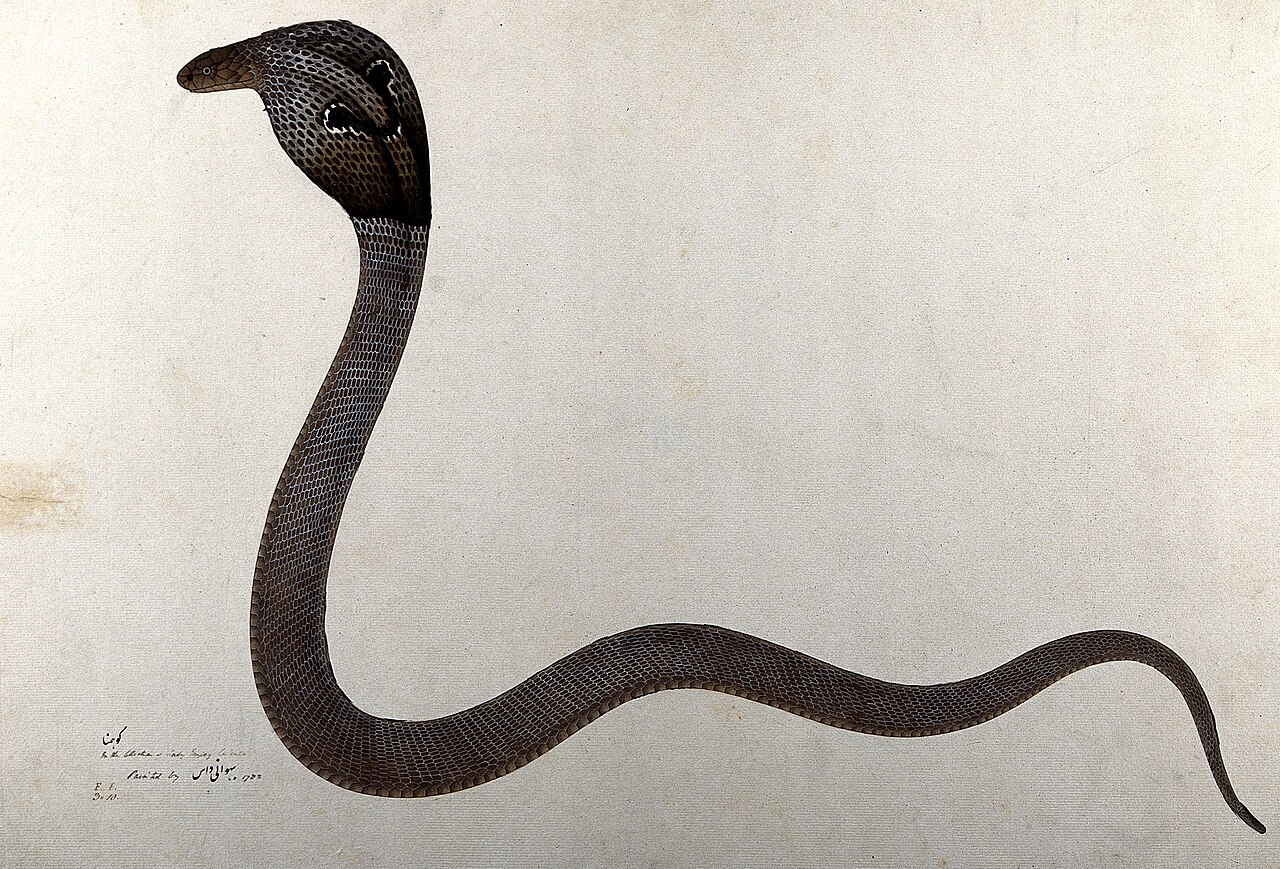
The sight of a cobra raising its head and spreading its wide, flat hood is one of nature's most iconic and intimidating displays. Often associated with snake charmers or dramatic wildlife footage, this distinctive behavior serves a crucial purpose: defense. When a cobra feels threatened, it will use this impressive posture to make itself appear larger and more formidable, hoping to deter any potential predator or perceived danger without resorting to a bite.
The ability to form a hood is an amazing anatomical adaptation. It's not a permanent structure, but rather a temporary expansion of skin supported by specialized, elongated ribs in the neck region. When the cobra tenses specific muscles, these ribs fan out laterally, stretching the loose skin of the neck into the characteristic flattened shape. This rapid transformation can happen in an instant, turning a relatively slender snake into a much broader, more imposing figure.
The primary reason for this dramatic display is to deter predators. Many animals, including humans, are less likely to attack something that appears larger than its actual size. For cobras, which can be preyed upon by mongooses, birds of prey, and other carnivores, making themselves look bigger is a vital survival strategy. Some species, like the spectacled cobra (Naja naja) of India, even have distinct eye-like patterns on the back of their hood, creating an illusion of multiple eyes or a larger, more watchful face to further intimidate threats.
Beyond just looking big, the hood is also a clear warning signal. It tells an approaching animal, "Stay away! I am dangerous, and I am prepared to defend myself." This visual cue is often accompanied by other defensive behaviors, such as loud hissing, mock strikes, or even spitting venom in the case of spitting cobras. These combined signals are usually enough to convince most threats to retreat, allowing the snake to conserve its precious venom and avoid a potentially dangerous physical confrontation.
It's important to understand that a cobra displaying its hood is not necessarily an aggressive act, but a defensive one. They are not 'charming' or 'hypnotizing' their audience, as folklore might suggest. Instead, they are communicating their discomfort and their readiness to protect themselves. A hooded cobra is a snake that feels cornered or threatened, and it is giving ample warning before escalating to a bite, which is always a last resort for any venomous snake.
Cobras and their hooded relatives, like some mambas and kraits, are found predominantly across Africa and Asia, including India, making this display a common sight in various habitats. While their hooding behavior is fascinating, it’s a strong reminder of their potent venom and the need for caution. Respecting their warning signals and giving them space is always the safest approach for both humans and snakes.
If you encounter a snake, whether it's displaying a hood or not, the safest course of action is always to give it plenty of space. Do not approach it, attempt to handle it, or provoke it. If you need to identify the species, take a clear photograph from a safe distance, then use an app like SerpentID to compare its markings against likely local species. If you suspect it's venomous, contact your local wildlife services for assistance, and if a bite occurs, seek professional medical help immediately.