


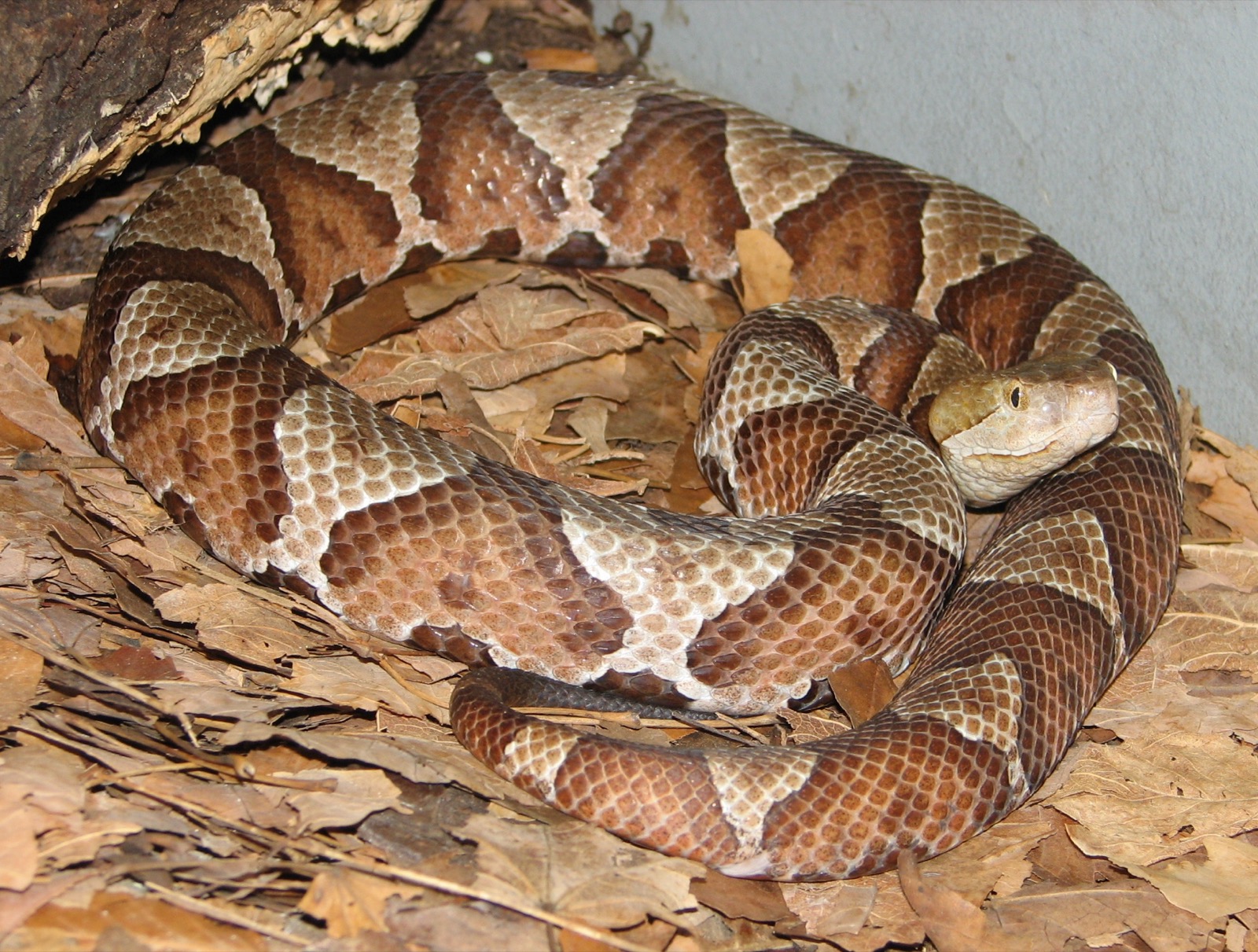
Snakes have perfected the art of disappearing into their environment, a survival strategy honed over millions of years. Their ability to blend in is not just a trick; it's a fundamental aspect of their existence, allowing them to ambush unsuspecting prey and remain hidden from predators. This incredible natural camouflage, while vital for the snake, is precisely what makes them so challenging for humans to spot, even when they are just a few feet away. Many people encounter snakes without ever realizing it, a testament to how effectively these reptiles can vanish into the background.
The secret to a snake's invisibility lies in its intricate patterns, coloration, and body shape, which are adapted to mimic elements of its specific habitat. Some snakes exhibit disruptive coloration, featuring irregular blotches or bands that break up their body outline against a complex background like dappled sunlight or leaf litter. Others employ countershading, being darker on top and lighter underneath, which helps to flatten their appearance when light hits them from above. From the mottled browns of a copperhead in autumn leaves to the green scales of a tree snake against foliage, each species' design is a living tapestry perfectly woven into its surroundings.
For humans, this natural ability poses a unique challenge. Our eyes are often drawn to movement or distinct shapes, but a coiled or still snake, with its patterns mirroring the textures around it, can easily be overlooked. We might scan a path or a garden bed, and our brains simply don't register the snake as a separate entity from the dirt, rocks, or leaves. This is why accidental encounters are common: a person may step over a log or reach into a bush without ever seeing the snake that was there all along, leading to a startled reaction from both human and reptile.
Snakes are particularly adept at hiding in places that offer natural cover and warmth. This includes dense vegetation, tall grass, rocky crevices, piles of leaves, stacked firewood, or under debris in your yard. They may also seek shelter under porches, in sheds, or within the cool, dark spaces of outbuildings. In these environments, their camouflage is amplified, making an already difficult task of spotting them nearly impossible without careful and deliberate inspection. It's important to remember that a snake's primary defense is often to remain motionless and undetected, only moving or striking if it feels directly threatened.
Understanding that snakes are inherently difficult to see is the first step in ensuring your safety. When spending time outdoors, especially in areas known to harbor snakes, cultivate the habit of looking before you step, sit, or reach. Wear sturdy, closed-toe footwear, particularly when hiking or working in the yard. If you must move items like logs, rocks, or garden waste, use a tool such as a rake or stick to gently disturb the area first, giving any hidden snake a chance to move away. Most snake bites occur when a snake is surprised or cornered, so giving them ample warning and space is key.
Never assume an area is snake-free simply because you don't immediately see one. Their remarkable camouflage makes them masters of concealment, and remaining vigilant is your best defense. If you do encounter a snake that you can't identify, remember to keep a safe distance. Do not attempt to approach, handle, or provoke it. Instead, take a clear photograph from a safe distance and use the SerpentID app to compare its unique markings against local species. If the snake is venomous or you're unsure, contact local wildlife services for assistance.