


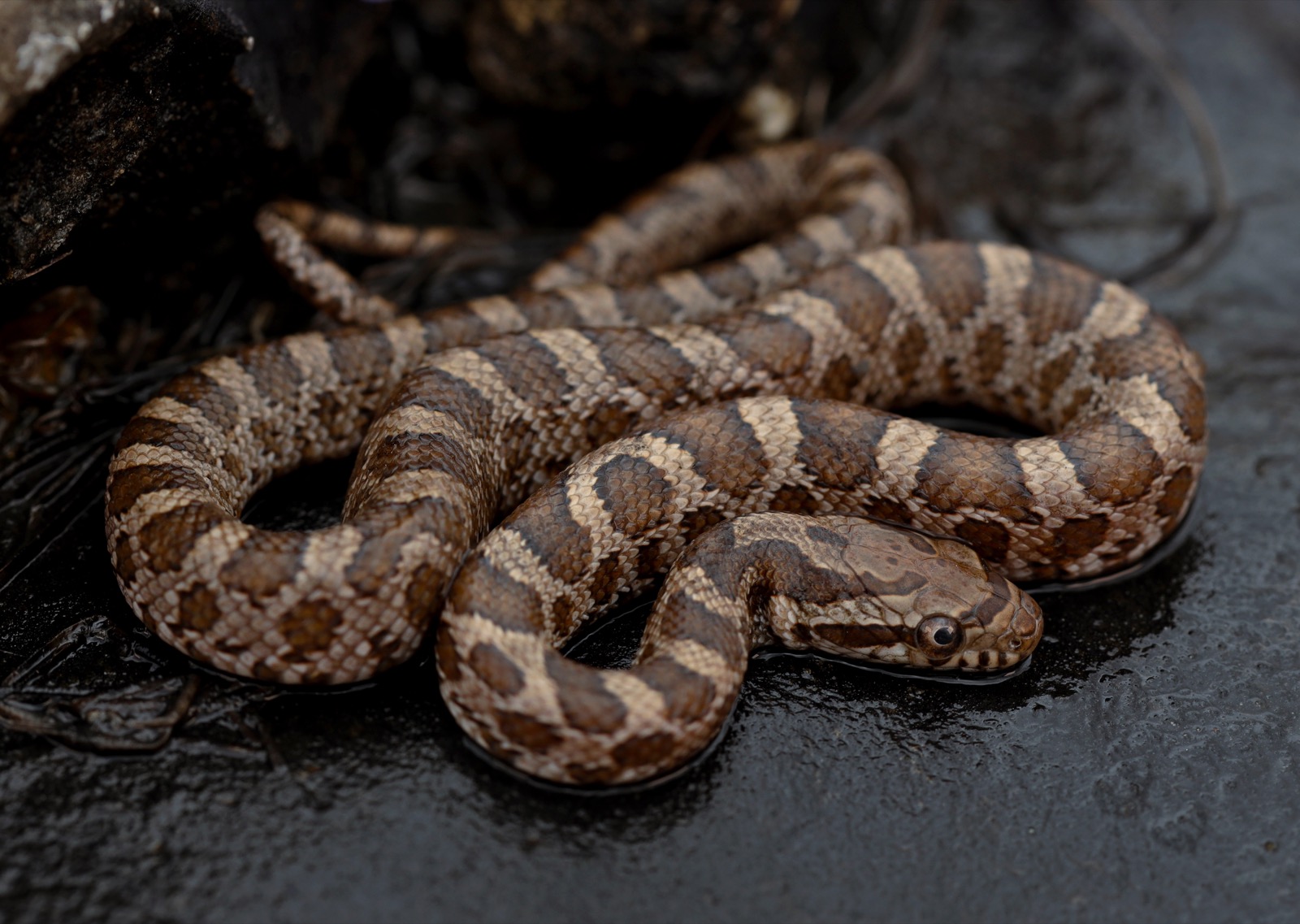
Snakes often evoke strong reactions, from fear to fascination. While some may view them as mere creatures of the wild to be avoided, these fascinating reptiles play an undeniably vital role in maintaining the delicate balance of ecosystems across the globe. Far from being expendable, snakes are integral to the health of our natural world, acting as crucial links in the food chain and indicators of environmental well-being.
One of the most significant contributions snakes make is their role as highly effective predators, particularly of rodents and other small mammals. Species like rat snakes, kingsnakes, and many vipers are adept hunters, consuming vast numbers of mice, rats, and voles. This natural pest control is invaluable, protecting agricultural crops from damage and helping to prevent the spread of diseases that these rodents can carry, such as hantavirus and leptospirosis, which pose risks to both wildlife and human populations.
Beyond rodents, many snakes have varied diets, preying on insects, amphibians, fish, birds, and even other reptiles. For instance, garter snakes often feed on slugs and worms, while water snakes help control fish populations. This diverse predation helps to regulate the numbers of various species, preventing overpopulation that could strain resources or lead to ecological imbalances. By keeping these populations in check, snakes contribute to the overall health and stability of their habitats.
While formidable predators, snakes themselves are also a vital food source for a wide array of other animals. Birds of prey, such as hawks and eagles, frequently hunt snakes, as do various carnivorous mammals like foxes, coyotes, and badgers. Even other snakes, such as kingsnakes, are known to prey on their serpentine cousins. This position in the middle of the food web means that snakes are critical for sustaining predator populations, demonstrating their indispensable contribution to the energy flow within ecosystems.
The presence of a healthy snake population often serves as a strong indicator of a thriving and balanced ecosystem. Because snakes are sensitive to environmental changes, their decline can signal broader issues such as habitat loss, pollution, or disruptions in prey availability. Protecting snake populations is therefore not just about conserving a single group of animals, but about safeguarding the intricate web of life that supports countless other species and the overall biodiversity of our planet.
Understanding the ecological importance of snakes helps us appreciate their place in nature, moving beyond common fears and misconceptions. They are not just fascinating creatures, but essential workers in the grand scheme of life, silently contributing to environmental health and balance. Recognizing their value is a crucial step towards fostering respect for all wildlife and promoting conservation efforts that benefit us all.
Encountering a snake in your yard or in the wild is a unique opportunity to observe these ecologically vital animals. If you do see a snake, remember to always maintain a safe distance. A clear photograph taken from afar can be invaluable for identification. The SerpentID app can help you quickly compare markings against likely local species, allowing you to understand its role in your local environment and, if it happens to be venomous, to contact local wildlife services for appropriate guidance without putting yourself or the snake at risk.