


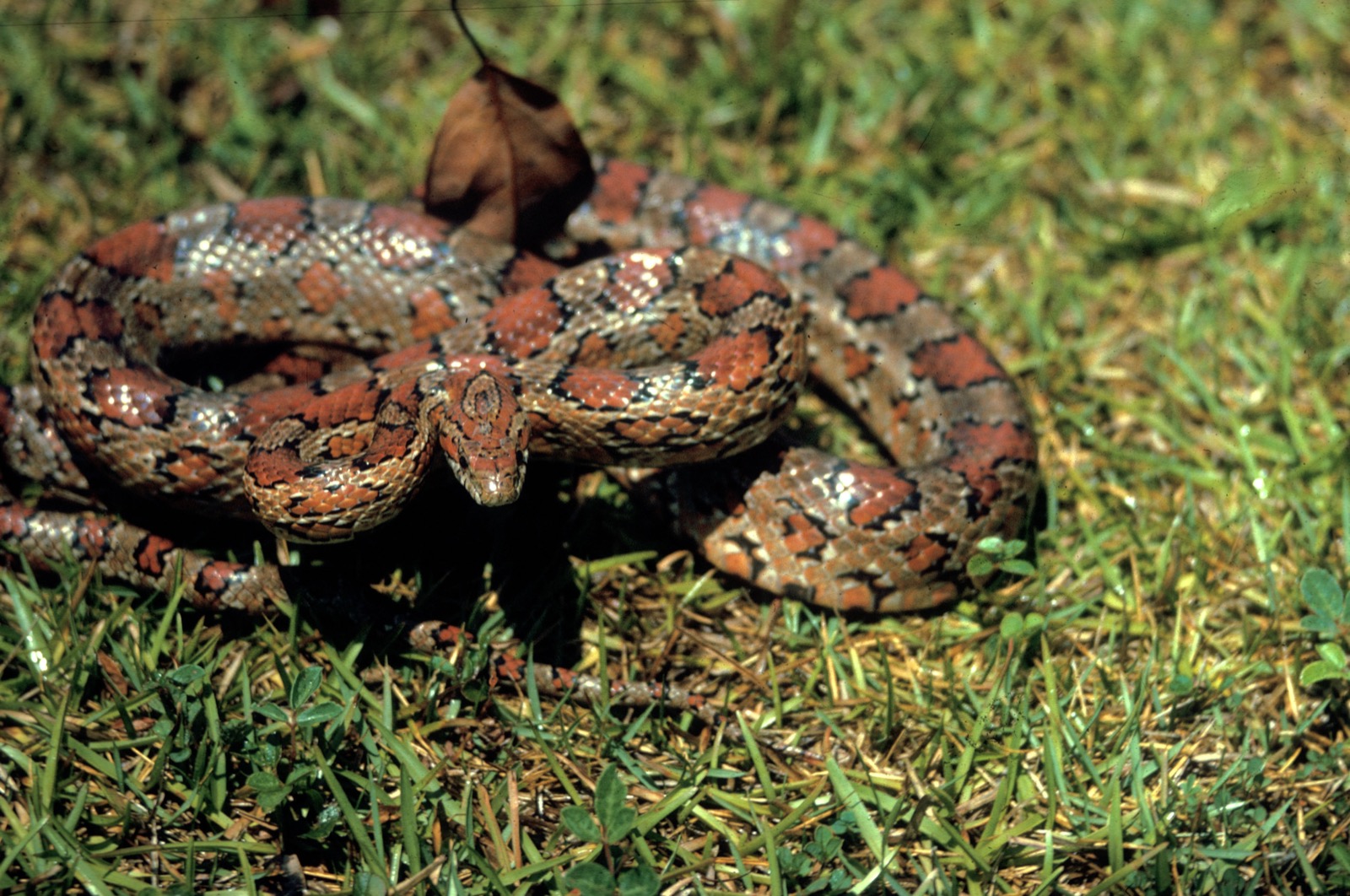
Not all snakes lay eggs; some species give birth to live young, a reproductive strategy known as viviparity or ovoviviparity. However, a significant number of snake species are oviparous, meaning they reproduce by laying eggs. For these egg-laying snakes, the choice of a nesting site is crucial for the survival of their offspring. Snake eggs require a stable environment that offers consistent warmth, adequate moisture, and protection from predators and environmental fluctuations. Without these conditions, the delicate eggs are unlikely to develop successfully, making the selection of a suitable egg-laying site a critical instinctual behavior.
In natural environments, oviparous snakes instinctively seek out locations that provide the ideal conditions for incubation. Common natural nesting sites include the interior of rotting logs or stumps, thick piles of leaf litter, loose soil, sandy areas, and rock crevices. Abandoned burrows of rodents or other animals are also frequently utilized, offering ready-made, insulated chambers. These natural sites are chosen because the decomposing organic matter often generates warmth, and the surrounding earth or vegetation helps maintain a stable temperature and humidity level, acting as a natural incubator. The hidden nature of these spots also provides a vital layer of protection against predators.
Snakes are highly adaptable creatures, and their nesting habits can extend into human-modified landscapes, often without people realizing it. Backyards, gardens, and agricultural areas can inadvertently offer attractive egg-laying sites. Homeowners might discover snake eggs in compost piles, under decorative mulch, beneath sheds, in woodpiles, or even within neglected garden beds. These locations mimic natural conditions by providing insulation, moisture, and seclusion. While these sites might seem convenient to the snake, they can lead to unexpected encounters for humans, highlighting the importance of being aware of potential snake habitats around homes.
A common misconception is that snakes build elaborate nests or actively care for their eggs once laid, similar to many bird species. However, for most oviparous snakes, parental care is minimal to non-existent. Once the female snake has deposited her clutch of eggs in a suitable location, she typically leaves them to incubate on their own. There are a few exceptions, such as some python species that coil around their eggs to provide warmth through muscular contractions, but this brooding behavior is rare and does not involve constructing a complex nest structure. The vast majority of snake eggs are left to the mercy of their environment until they hatch.
Snake eggs themselves often look quite different from bird eggs. They typically have a leathery, pliable shell rather than a hard, brittle one, and are usually elongated or oval in shape. They are often white or off-white and may be slightly sticky, causing them to adhere to each other in a clutch. The number of eggs in a clutch can vary significantly depending on the species and the size of the female, ranging from just a few to dozens. If you happen to come across what you suspect are snake eggs, it's helpful to observe their appearance from a safe distance, as their characteristics can sometimes offer clues to the species.
The incubation period for snake eggs varies widely based on the species and environmental conditions like temperature and humidity. Generally, it can last anywhere from a few weeks to several months. In some reptile species, including certain snakes, the ambient temperature during incubation can even influence the sex of the developing hatchlings. Once the incubation period is complete, the young snakes use a specialized egg tooth (which later falls off) to cut their way out of the leathery shell. Hatchlings emerge fully formed and entirely self-sufficient, immediately ready to hunt, defend themselves, and navigate their new world alone.
Encountering snake eggs can be an exciting, if sometimes startling, experience. However, it is always best to leave them undisturbed. If you find snake eggs or a snake near your home, remember to maintain a safe distance and avoid any attempts to handle the eggs or the adult snake. Disturbing eggs can jeopardize their development, and approaching an adult snake can provoke a defensive reaction. Instead, if you've seen a snake and wish to identify it, take a clear photograph from a safe distance. The SerpentID app can then compare its markings against likely local species, helping you understand your scaly neighbor without putting yourself or the snake at risk. If you suspect a venomous snake or feel unsafe, contact local wildlife services for expert assistance.