


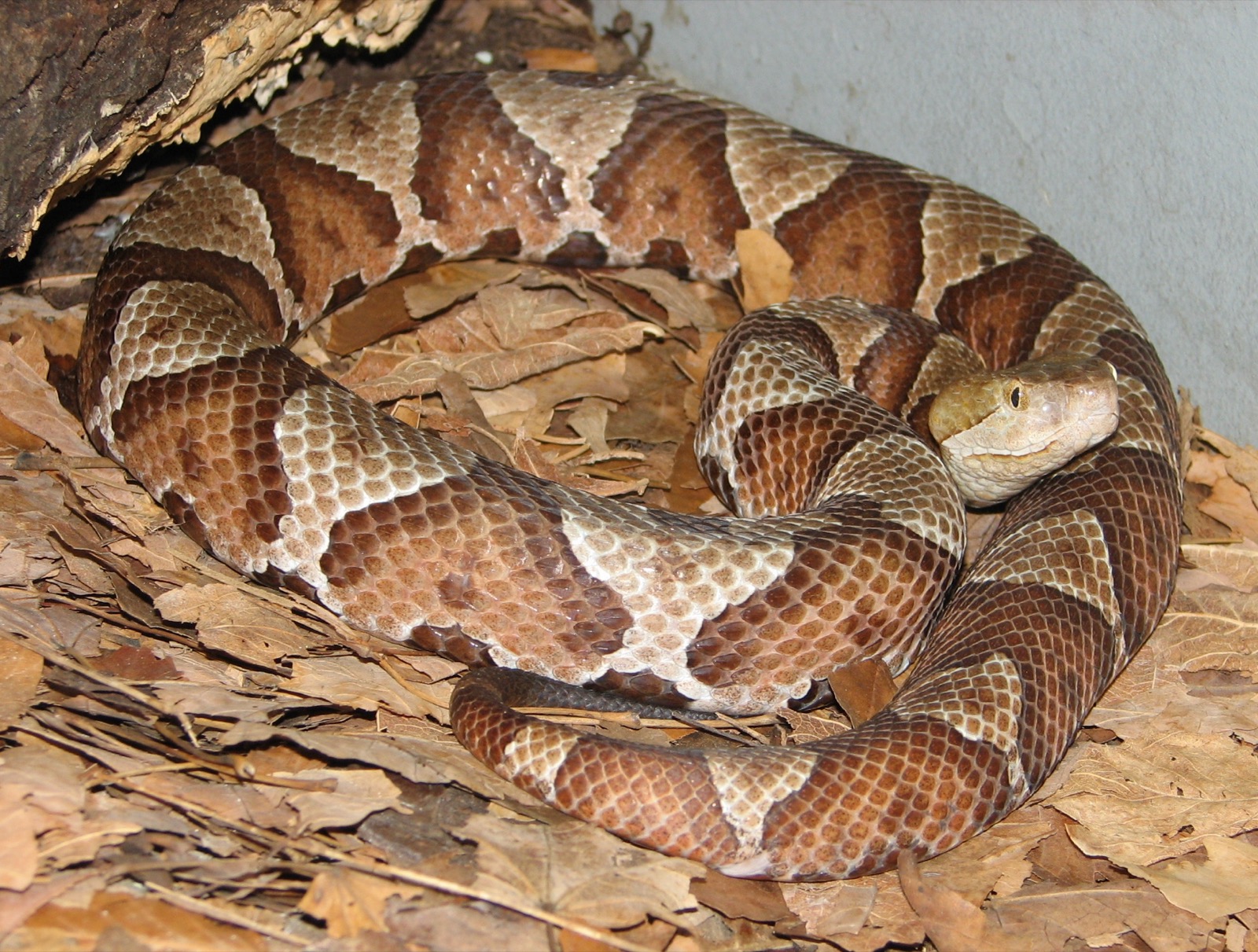
Snakes are ectothermic, commonly referred to as 'cold-blooded,' meaning their body temperature is regulated by their external environment. While this allows them to thrive in warmth, extreme heat is just as dangerous for a snake as extreme cold. Unlike mammals, snakes cannot sweat or pant to cool down effectively. When temperatures soar, especially during the peak summer months, snakes must actively seek refuge from direct sunlight and scorching surfaces to prevent overheating, which can be fatal for them. Understanding this fundamental need helps us predict where they might be found.
The drive to escape intense heat dictates much of a snake's behavior during hot spells. Instead of basking in the sun, as they might on cooler days, snakes will prioritize finding cool microclimates. This behavioral thermoregulation leads them to retreat to shaded areas, underground burrows, dense vegetation, or any spot that offers a respite from the sun's relentless rays. They are not trying to invade your space; they are simply trying to survive the harsh conditions, much like we seek air conditioning or shade on a sweltering day.
Common outdoor hiding spots for snakes seeking relief from the heat include beneath rocks, logs, discarded lumber, and thick layers of leaf litter. Dense shrubs, overgrown gardens, and rock crevices also provide valuable shade and cooler ground. Man-made structures can be equally appealing: the cool, dark spaces under sheds, porches, decks, or even unused equipment like old tires or tarps become prime sanctuaries. Even your parked car can offer temporary shelter underneath, particularly during the hottest parts of the day.
Beyond just shade, snakes also seek moisture when temperatures climb. Extreme heat can lead to dehydration, so areas near water sources become particularly attractive. This includes natural bodies of water like ponds, creeks, and rivers, but also artificial sources such as leaky outdoor faucets, irrigation systems, swimming pool edges, or damp soil under potted plants. Finding a snake near these areas, particularly in a residential setting, is often a direct result of their need for hydration and a cooler environment.
The daily activity patterns of many snake species shift dramatically during hot weather. Instead of being active during the middle of the day, many become crepuscular, meaning they are most active during dawn and dusk, or even fully nocturnal. This allows them to forage and move when ambient temperatures are more tolerable. In regions with venomous species like rattlesnakes and copperheads in the United States, or various elapids in Australia and India, this means that evening walks, yard work, or even just relaxing outdoors can bring an increased chance of encountering a snake that is now active under the cover of darkness.
The consequence of snakes seeking refuge from the heat is an increased likelihood of unexpected encounters in places where you might not anticipate them. A snake might be coiled under your garden hose, tucked into the shade of a decorative planter, or hiding beneath a doormat. This is why vigilance is paramount during hot weather. Always look carefully before reaching into shaded spots, stepping over thresholds, or disturbing piles of debris. Simple precautions like wearing closed-toe shoes outdoors and using a flashlight at night can make a significant difference in preventing an accidental encounter.
If you encounter a snake seeking shelter from the heat, the safest action is always to leave it undisturbed. Never attempt to handle, harass, or kill any snake. Instead, maintain a safe distance and observe its behavior. If you need assistance identifying the snake or if it is in a dangerous location, take a clear photograph from a safe distance and use the SerpentID app to compare its markings against likely local species. If the snake is venomous or poses an immediate threat, contact local wildlife services or a professional snake removal expert in your area.