


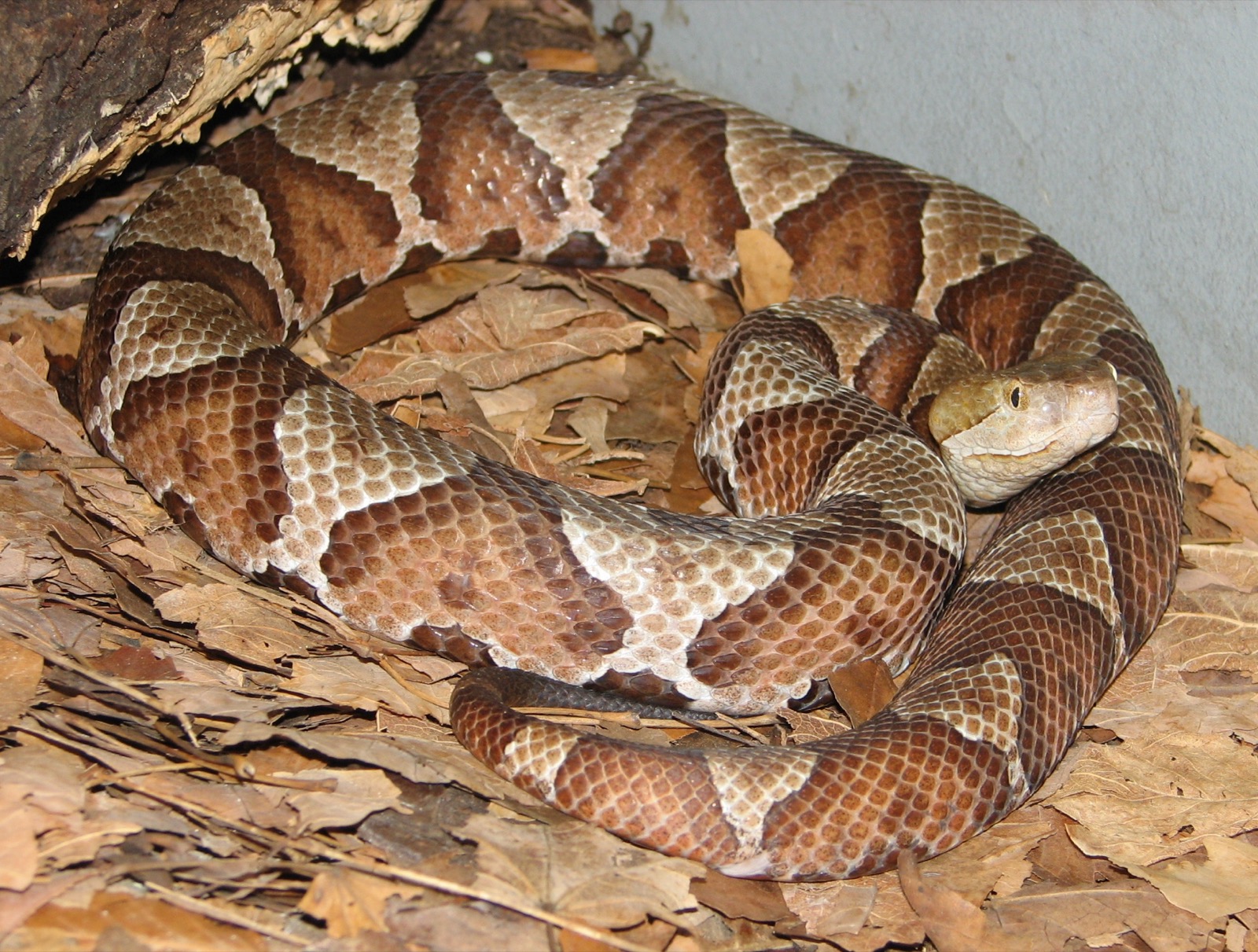
Snakes are masters of discretion, often going unnoticed even in plain sight. Their ability to blend seamlessly with their environment is a key survival strategy, allowing them to ambush prey, escape predators, and regulate their body temperature. Understanding where snakes prefer to hide outdoors is not about fear, but about informed awareness, enabling you to safely coexist with these creatures, whether you're tending your garden, clearing brush, or enjoying a hike. Most snake encounters happen because a snake is disturbed in its resting or hunting spot.
In residential yards, snakes frequently seek refuge in dense ground cover. This includes tall grass, overgrown bushes, flower beds with thick foliage, and accumulations of leaf litter. These areas offer both concealment and often a cooler, damper microclimate, which is ideal for snakes, especially during hot weather. When working in such areas, it’s wise to wear sturdy shoes and long pants, and to use a rake or stick to gently probe the vegetation before reaching in with your hands.
Man-made structures and discarded items also provide appealing hideouts. Old tarps, sheets of plywood, discarded tires, piles of bricks or stones, and even unused garden equipment can create perfect shelters for snakes. These spots often attract rodents, which in turn draw snakes looking for a meal. Before moving any such items, approach with caution and lift them slowly, checking underneath from a safe distance. Always assume a snake might be present and give it space to retreat.
For those venturing into natural areas like forests, parks, or hiking trails, the hiding spots expand to include natural crevices, hollow logs, rock outcrops, and abandoned animal burrows. Snakes will use these features to bask in the sun, cool off in the shade, or wait patiently for prey. When hiking, stick to marked trails, watch where you place your feet and hands, and avoid stepping over logs or rocks without first visually checking the other side.
Snake activity and hiding preferences can also shift with the time of day and year. During cooler mornings or evenings, snakes might be found basking on sun-warmed rocks or paved surfaces to raise their body temperature. As the day heats up, they'll retreat to cooler, shadier, and often more concealed locations. During colder seasons, many snakes seek out communal dens underground or within foundations to brumate, only to emerge again in spring. Awareness of these seasonal and diurnal patterns can further inform your outdoor safety practices.
General safety practices are paramount. Always wear appropriate footwear, such as closed-toe shoes or boots, when working or walking in areas where snakes might be present. Avoid reaching blindly into dense vegetation, under objects, or into dark crevices. When clearing brush or moving yard debris, use tools like rakes, shovels, or tongs to create distance. If you encounter a snake, remain calm, give it plenty of space, and allow it to move away on its own. Most snakes will only bite if they feel threatened or are cornered.
If you encounter a snake and are unsure of its identity, the safest course of action is always to keep a respectful distance. SerpentID is designed to help you identify snakes safely without needing to get too close. Simply take a clear photo from a safe distance, upload it to the app, and let our system compare its markings against local species. If the snake is identified as venomous or you have any concerns, contact your local wildlife services or a professional snake removal service immediately. Never attempt to handle, approach, or harm any snake.