


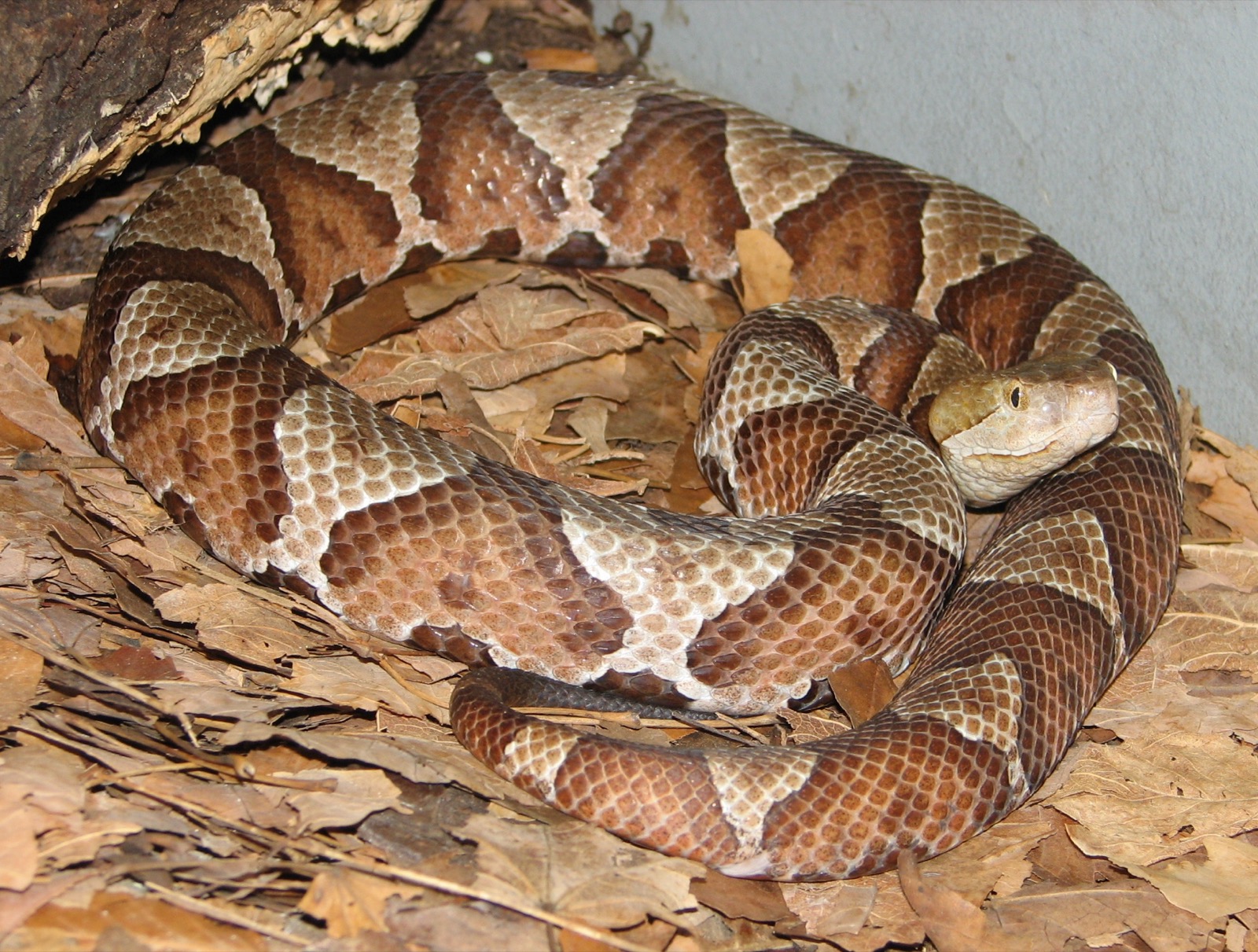
Spotting a snake can be an unexpected and sometimes alarming experience, whether you're hiking in the wilderness, working in your garden, or even just walking across your lawn. The immediate instinct might be to panic or react quickly, but the most crucial first step is to simply stop and stay calm. Snakes are not inherently aggressive animals; they are primarily defensive. A snake's natural inclination is to avoid conflict, and most will only strike if they feel directly threatened or cornered. Your calm demeanor helps prevent an escalation and allows you to assess the situation safely.
Snakes are a natural part of many ecosystems across the United States, Australia, and India, playing vital roles in pest control and the food chain. Encounters are often a result of snakes simply going about their daily lives—basking in the sun, hunting for prey, or moving between resting spots. It's important to remember that a vast majority of snake species are non-venomous and pose little to no threat beyond a minor bite if provoked. Even venomous snakes prefer to conserve their precious venom for prey, using it defensively only as a last resort.
Once you've stopped, the next critical step is to slowly and calmly back away. Create distance between yourself and the snake, aiming for at least 6-10 feet (2-3 meters) or more, if possible. Avoid any sudden movements, as these can be perceived as a threat and trigger a defensive reaction from the snake. Give the snake an escape route; if it feels it has a clear path to retreat, it will almost certainly take it. Most snakes are far more interested in escaping than engaging with a large potential predator like a human.
From a safe distance, take a moment to observe the snake without approaching it. Note its size, color patterns, and any distinguishing features. Is it thick-bodied or slender? Does it have a rattle, a specific head shape, or distinct markings like bands or blotches? Observing its behavior can also be helpful: is it coiled, actively moving, or trying to hide? This information can be invaluable for identifying the species later, which helps determine if it's venomous or harmless, and whether further action is needed.
There are several common reactions to a snake encounter that should be actively avoided. Never try to approach, handle, or capture a snake, even if you believe it to be non-venomous. This is when most bites occur. Do not attempt to kill the snake; this is not only dangerous but also often illegal, as many snake species are protected. Trying to move a snake with a stick, hose, or any other object is also ill-advised, as it puts you within striking distance and can provoke a defensive bite. Respect its space and allow it to move on its own.
In most cases, if you give a snake space, it will simply move away on its own within a few minutes. However, there are situations where you might need to take further action. If the snake is in a dangerous location, such as inside your home, a child's play area, or a high-traffic spot where it poses an immediate threat to people or pets, it might require professional removal. If you suspect the snake is injured or appears lethargic and unable to move, contacting a local wildlife rescue or animal control service is the best course of action.
When you encounter a snake, the best way to ensure safety for both yourself and the animal is to maintain a respectful distance. If you can safely do so without getting closer, take a photograph of the snake. Then, use the SerpentID app to compare its markings against likely local species. If the snake is identified as venomous, or if it's in a location where it cannot be safely left alone, contact your local wildlife services or a professional snake removal expert for assistance. Never attempt to handle a snake yourself.