


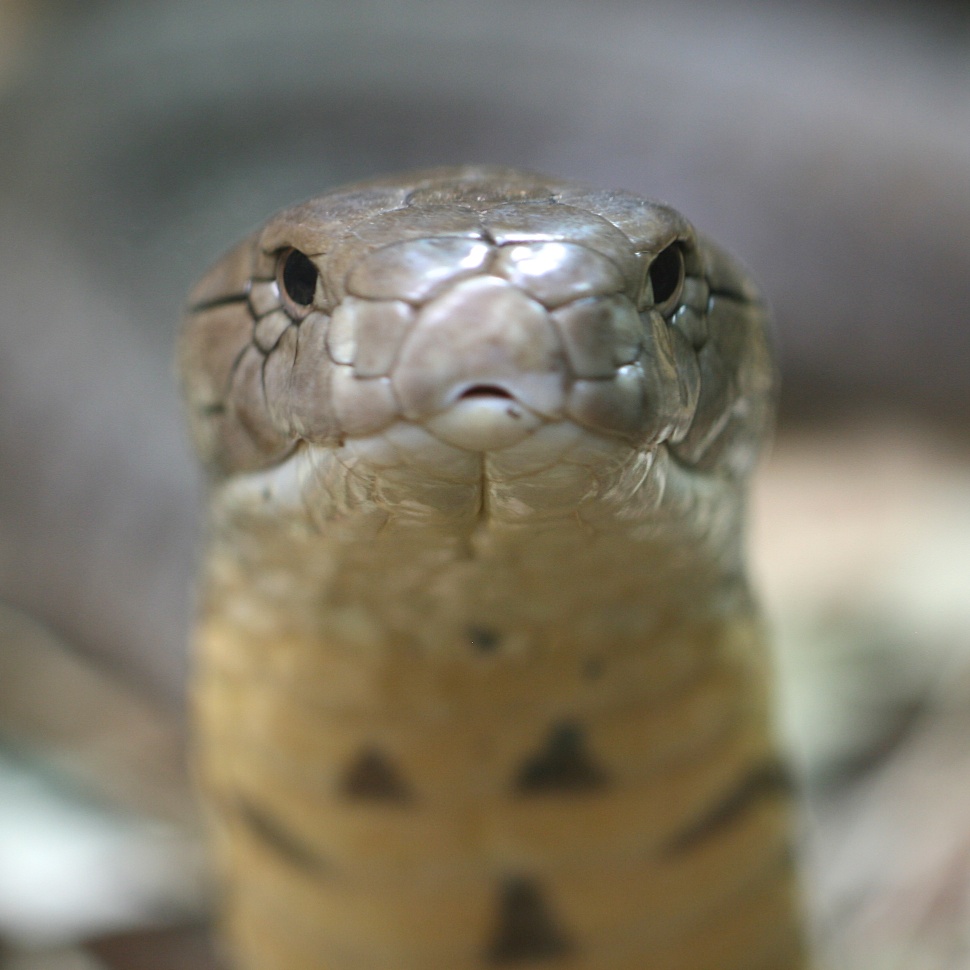
Being bitten by a snake is a jarring and potentially dangerous event, but how you react in the moments immediately following the bite can significantly impact the outcome. The primary goal is to minimize the spread of any potential venom and get professional medical attention as quickly as possible. Panic is a natural reaction, but it can unfortunately exacerbate the situation, increasing heart rate and potentially speeding venom absorption. Your first and most critical step is to take a deep breath and focus on staying as calm as you can.
Once you've composed yourself, immediately move away from the snake to a safe distance. Do not try to approach, capture, or kill the snake. Not only is this dangerous and can result in additional bites, but it also wastes precious time. While identifying the snake can be helpful for medical professionals, your safety is paramount. Focus on getting yourself to a secure location where you can assess the bite and call for help without further risk.
Your next immediate action should be to call emergency services. In the United States, this is 911; in Australia, 000; and in India, 112. Provide them with your exact location and a brief, clear description of what happened. If you are in a remote area, try to move to a spot with cell service if it's safe to do so, or send someone for help while you remain as still as possible. Time is a critical factor, especially with venomous bites, so do not delay seeking professional medical assistance.
While waiting for help to arrive, there are a few basic first aid steps you can take. Remove any tight clothing, jewelry, or watches from the bitten limb, as swelling can occur rapidly. Keep the bitten limb as still as possible and, if practical, position it below the level of your heart. This can help to slow the spread of venom. Most importantly, avoid common but dangerous folklore remedies: do NOT apply a tourniquet, cut the wound, attempt to suck out venom, apply ice, or consume alcohol or caffeine. These actions are ineffective and can cause more harm than good.
If it is safe to do so, and only if the snake is no longer a threat and you can maintain a significant distance, you may try to get a clear photograph of the snake. This can assist medical personnel in identifying the species, which may guide treatment. However, never put yourself at risk for a photo. If you cannot get a picture safely, don't worry; medical professionals will treat based on symptoms, and a precise identification is not always necessary for effective care.
Remember, every snake bite should be treated as a medical emergency until proven otherwise by a healthcare professional. Even bites from non-venomous snakes can carry a risk of infection. Your immediate calm response, quick call to emergency services, and adherence to safe first aid practices are your best defense. For future reference, if you encounter a snake and are unsure of its identity, the SerpentID app can help you compare markings against likely local species from a safe distance, enabling you to make informed decisions about your safety.