


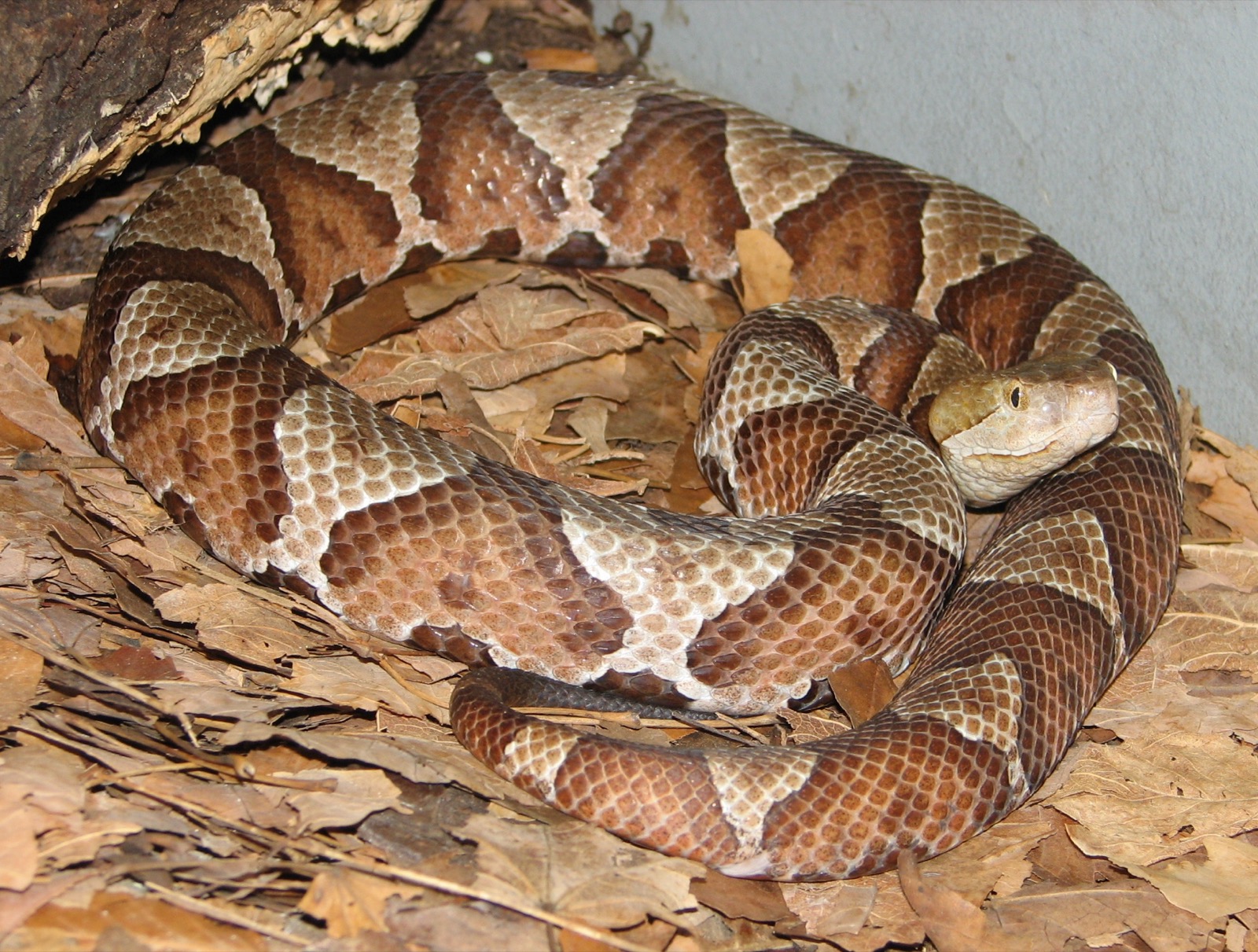
The sudden jolt of stepping on something unexpected, followed by the realization it might be a snake, is a primal fear for many. This type of encounter is often the most common scenario for snake bites, not because snakes are inherently aggressive, but because they are caught by surprise and react defensively. Whether you're hiking a trail, working in your yard, or simply walking through tall grass, accidentally stepping on a snake can happen to anyone. Your immediate reaction in these moments can significantly influence the outcome, determining whether a bite occurs, or how severe it might be.
When you realize you've stepped on a snake, the instinct might be to jump, run, or flail. However, these rapid, panicked movements can actually provoke a defensive strike. Snakes typically want to avoid conflict and will usually try to escape if given the chance. If you step on one, it perceives you as a direct, immediate threat. The best initial reaction is to freeze. Stop all movement immediately. This pause gives the snake a moment to assess the situation and, hopefully, realize the pressure has been removed and it has an escape route.
After freezing, slowly and carefully lift your foot or leg away from the snake. Avoid sudden jerks or stomping, which can further startle or injure the animal. Once your foot is clear, begin to slowly back away from the area, maintaining a safe distance. Keep your eyes on the snake if it's visible, but do not approach it or try to interact with it in any way. The goal is to give the snake ample space to retreat and to remove yourself from its perceived strike zone. Remember, a snake's strike range is typically about one-half to two-thirds of its body length.
Once you are a safe distance away, carefully check yourself and anyone with you for signs of a bite. A snake bite may not always be immediately obvious, especially through clothing or if the snake was non-venomous. Look for puncture marks, scratches, or any pain, swelling, or discoloration on the skin. If you suspect a bite, try to remain as calm as possible. Panic can increase your heart rate, which can spread venom more quickly through the body if the snake was venomous. Do not attempt to capture or kill the snake, as this can lead to further, unnecessary bites.
If a bite has occurred, seek professional medical help immediately. While waiting for medical assistance, try to keep the bitten limb still and below the level of your heart if possible. Remove any tight clothing or jewelry near the bite area before swelling begins, as these can constrict the limb and cause more problems. It is crucial not to attempt to apply a tourniquet, cut the wound, try to suck out venom, or apply ice, as these actions are ineffective and can cause more harm or complications. Focus solely on getting to a medical facility as quickly as possible, where antivenom, if needed, can be administered safely by professionals.
If you've determined that no bite occurred, consider yourself fortunate and learn from the experience. The snake, likely just as startled as you were, has probably already moved away to find a safer hiding spot. Make a mental note of the location and be more vigilant in that area in the future. Educating yourself about local snake species and their habits can help you avoid similar encounters. Always wear appropriate footwear, like closed-toe shoes or sturdy boots, especially when walking in areas with tall grass, leaf litter, or dense vegetation where snakes might be camouflaged.
Encountering a snake, especially in such an unexpected and sudden way, can be a frightening experience. The key to safely navigating these situations is maintaining composure and understanding snake behavior. If you manage to get a photograph of the snake from a safe distance, the SerpentID app can help you identify the species. Knowing whether a snake is venomous or harmless can inform your next steps, such as contacting local wildlife services for venomous species or simply allowing a harmless snake to move on. Always prioritize your safety and the snake's well-being by giving it space and respect.