


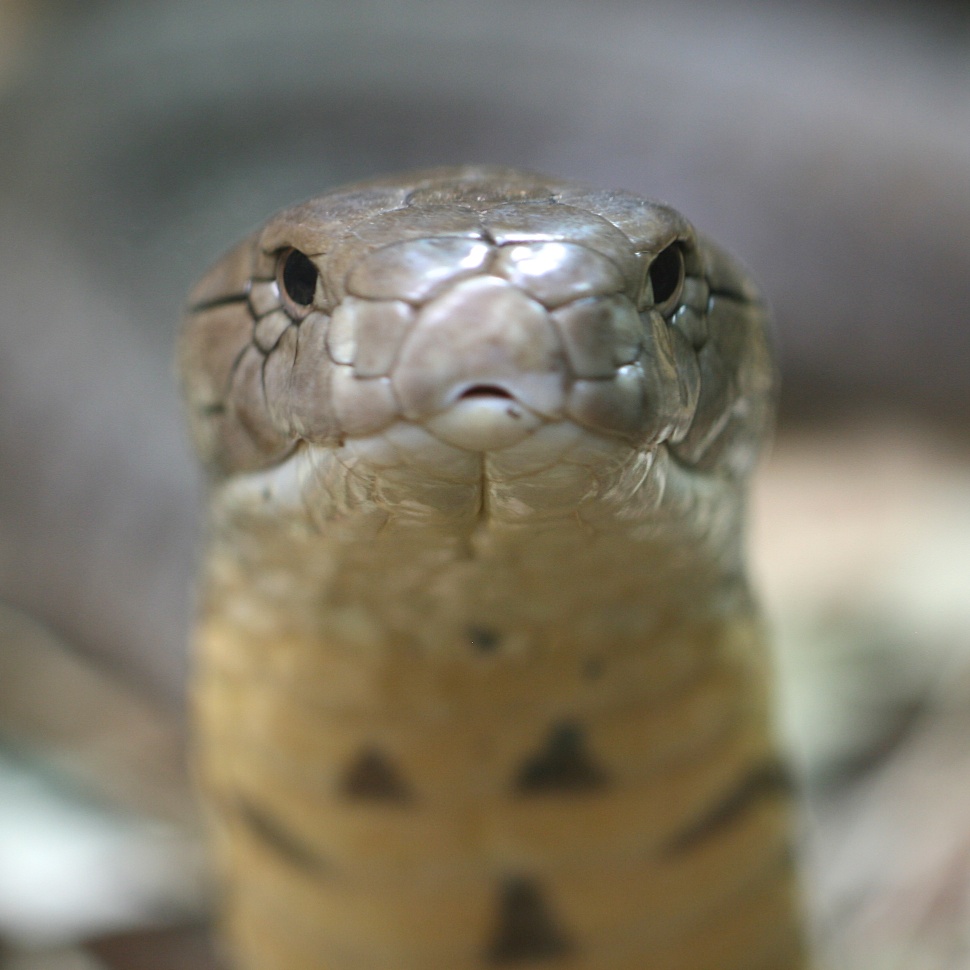
It is a natural human instinct to want to help an animal in distress, and finding an injured snake can certainly trigger that impulse. Whether you spot a snake struggling on the side of a road, tangled in garden netting, or acting unusually in your yard, your immediate concern might be to offer assistance. However, when it comes to snakes, direct intervention, no matter how well-intentioned, can be dangerous for both you and the animal. Understanding the correct, safe, and responsible steps to take is crucial.
The primary reason against direct intervention is the inherent danger. An injured snake is a stressed and frightened snake, and even typically docile species can become defensive and bite when they feel threatened or are in pain. Furthermore, identifying a snake species accurately from a distance, let alone when it is injured or distressed, can be challenging. What might appear to be a harmless garter snake could be a venomous copperhead, or vice versa, and misidentification can have serious consequences. Always assume an injured snake could be venomous and act with extreme caution.
If you discover an injured snake, your first and most important action is to secure the area and ensure your own safety, as well as the safety of any pets or other people. Maintain a significant distance – at least six to ten feet – and do not attempt to approach, corner, or touch the snake. From a safe vantage point, try to observe the snake's condition, noting any visible injuries, its size, and its general coloration or patterns. If possible and safe to do so, take a clear photograph, as this can be invaluable for identification by professionals later.
Once you have assessed the situation from a distance, the next step is to contact appropriate authorities. This typically means reaching out to your local animal control, a wildlife rescue organization, or a professional snake catcher in your area. These individuals and groups are trained and equipped to handle injured wildlife safely and humanely. They can identify the species, assess the extent of the injury, and determine the best course of action, which may include rehabilitation or safe relocation. Provide them with all the details you observed, including the exact location and any photos you managed to take.
It is vital to understand what you should absolutely *not* do. Do not attempt to move the snake, even with tools like a shovel or stick, as this can cause further injury to the snake or provoke a defensive strike. Never try to offer food or water, as an injured snake may not be able to process them, and approaching closely for this purpose is dangerous. Under no circumstances should you try to apply any form of first aid yourself, as this is best left to veterinary professionals. Finally, do not kill the snake; not only is it often illegal to harm native wildlife, but it also deprives the animal of a chance at recovery and could put you in harm's way.
Common scenarios for injured snakes include road incidents, where they may be struck by vehicles, or entanglement in garden netting, fishing line, or other debris. Sometimes, a snake might be injured by a pet. In all these situations, the protocol remains the same: prioritize safety by maintaining distance and immediately contacting wildlife professionals. Patience is key; it may take some time for help to arrive, but waiting safely is far better than risking a dangerous encounter or causing further harm.
Encountering any snake can be a surprising event, and knowing how to react responsibly ensures the safety of everyone involved. If you spot a snake and are unsure of its species, the SerpentID app can help you identify it quickly and safely. Simply photograph the snake from a safe distance, and our app will compare its markings against likely local species. If it is identified as venomous or you have any concerns about an injured animal, contact your local wildlife services immediately for professional assistance.