


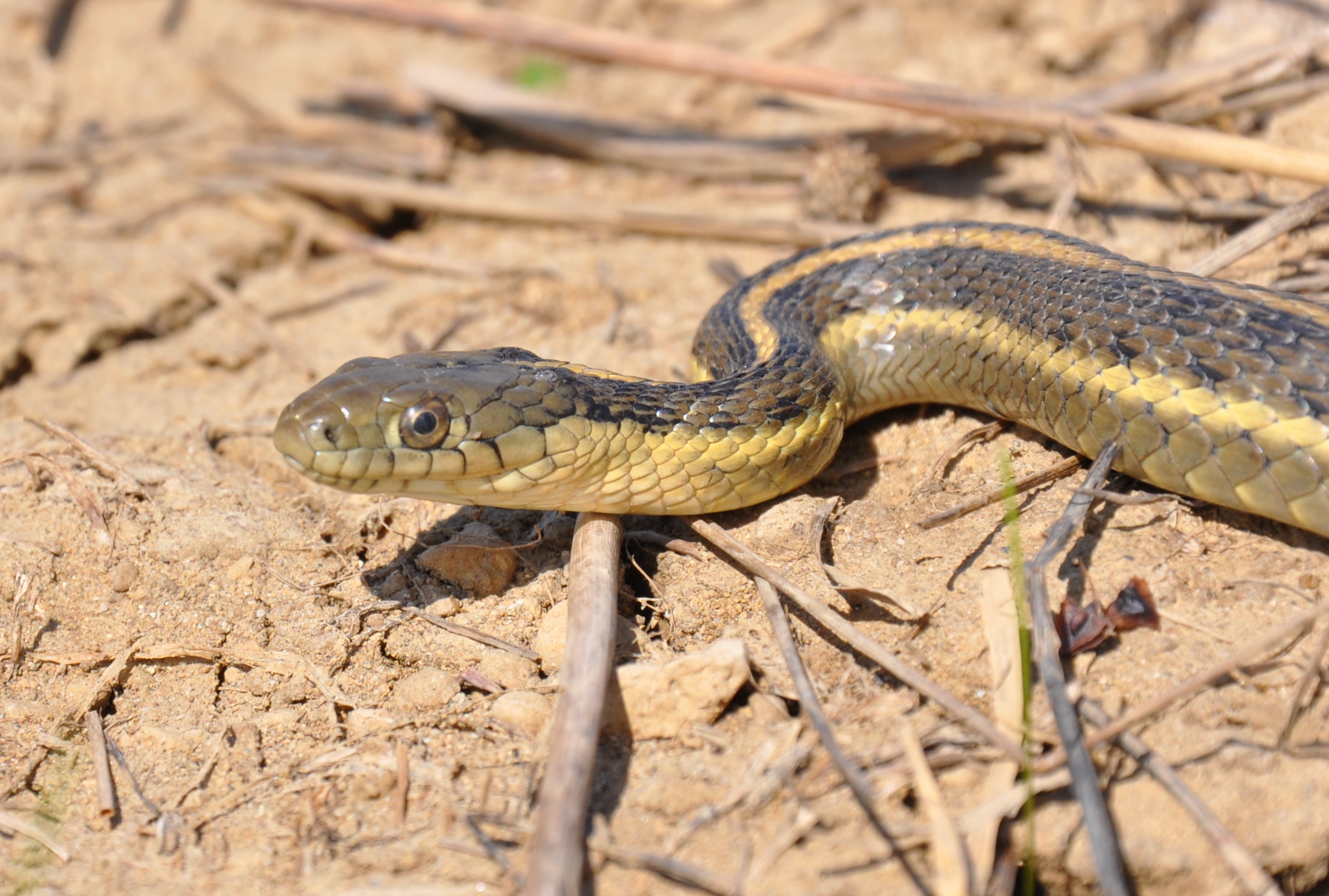
What smells do snakes hate is one of the highest-volume snake questions homeowners type into search engines, and most of the answers they find are wrong. Snakes have a Jacobson's organ that processes airborne chemicals collected by the flicking tongue, so they are sensitive to scent in a precise way. That sensitivity has been over-extrapolated into a long list of supposed repellents — mothballs, sulfur, cinnamon, clove, garlic, ammonia, lime, predator urine, and various essential oil sprays — that perform poorly when tested under controlled conditions. Independent university extension studies, including work from Nebraska and Clemson, have found no consistent evidence that any of these substances reliably keep wild snakes away from a yard, structure, or garden.
Mothballs deserve a separate warning. Naphthalene mothballs are sometimes recommended in old garden columns or by pest-control salespeople, but they are toxic to humans, pets, and beneficial wildlife at the concentrations needed to even possibly affect a snake, and US Environmental Protection Agency labeling explicitly states mothballs are not registered for outdoor use against snakes. Spreading mothballs around a foundation, in a crawl space, or in a garden bed is both ineffective and likely illegal pesticide misuse. Sulfur and lime products marketed as snake repellents perform marginally better in some lab tests but still fail in field conditions where rain, soil contact, and snake travel patterns dilute any effect within days.
The few smells with weak peer-reviewed evidence of deterrent effect are concentrated cinnamon oil and concentrated clove oil, both shown in a single 2017 study to reduce captive snake activity in a small chamber. The catch is that the concentrations required for any observable effect were much higher than what reaches the snake when these oils are sprayed around a yard, the effect did not persist over time, and the study did not test the most common North American species that actually generate homeowner calls. Treating cinnamon-clove sprays as a temporary, low-confidence deterrent at best is reasonable. Treating them as a fence is not.
Habitat modification is the only approach with strong, repeatable evidence behind it, and it works because it changes the underlying reason snakes visit a yard. Snakes follow prey, shelter, and temperature. Remove the prey by controlling rodents and storing pet food sealed indoors. Remove the shelter by clearing brush piles, stacking firewood off the ground and ten meters from the house, mowing perimeter strips tightly, and sealing foundation gaps wider than a pencil with mortar, hardware cloth, or expanding foam. Remove the temperature appeal by trimming back ground cover that creates cool damp shade against a south wall. These changes consistently reduce snake activity in extension service studies in ways that no spray has ever matched.
If you are dealing with a specific repeat snake problem and want to confirm species before deciding on a deterrent, SerpentID can compare your photo against likely matches and help you understand whether the animal is a beneficial rodent predator like a rat snake or a venomous species that justifies professional removal. The honest summary on snake repellents is short: most popular natural smells do little, mothballs are dangerous and illegal outdoors, cinnamon and clove oils have weak short-term evidence at best, and the only durable answer is making the yard less rewarding for snakes to visit. Spend the deterrent budget on sealing and clean-up, not on bottles.