


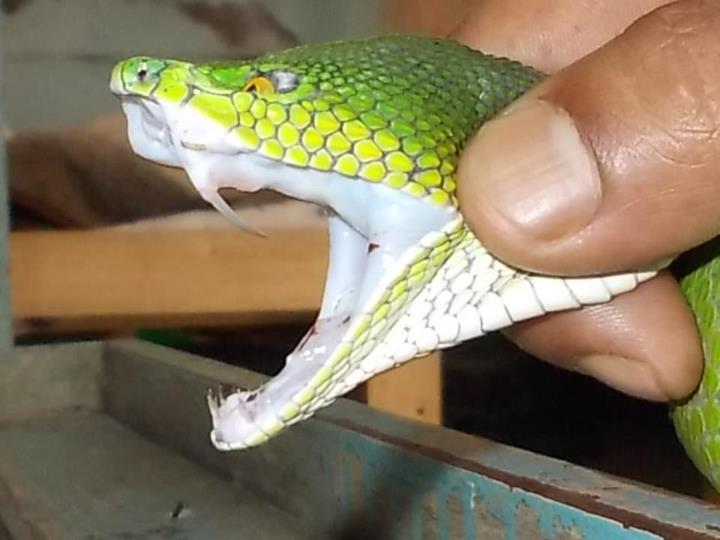
When a snake bite occurs, the immediate question often centers on whether the snake was venomous. While this is a critical starting point, the true danger and potential severity of a snake bite are influenced by a complex interplay of factors, extending far beyond the mere presence of venom. Understanding these variables can help individuals react more calmly and effectively, ensuring the best possible outcome in an emergency.
The species of snake involved is paramount. Venomous snakes, such as rattlesnakes, cobras, vipers, and taipans, produce various types of venom—neurotoxic, hemotoxic, cytotoxic—each affecting the body differently. Neurotoxic venom, common in elapids like cobras and kraits, impacts the nervous system, potentially causing paralysis and respiratory failure. Hemotoxic venom, typical of many vipers, damages blood cells and vessels, leading to internal bleeding and tissue destruction. Cytotoxic venom causes localized tissue damage and necrosis. However, it's important to remember that even bites from non-venomous snakes can be serious, posing risks of severe infection, allergic reactions, and deep tissue wounds that require medical attention.
The amount of venom injected, if any, is another critical factor. A venomous snake might deliver a 'dry bite'—a defensive strike without injecting venom—or a partial or full envenomation. The snake's size and age can also influence this; larger snakes generally have more venom to deliver, but younger snakes, while potentially having less venom, may not have as much control over their venom delivery as adults, sometimes leading to a more potent dose. The myth that baby venomous snakes are always more dangerous than adults is not universally true, as their venom yield is typically lower, but their bites should always be treated with extreme caution.
The location of the bite on the body significantly impacts severity. Bites to the extremities, such as hands and feet, are the most common and generally less dangerous due to slower venom absorption and distance from vital organs. However, bites to the torso, head, or neck are far more critical. These areas have richer blood supplies and are closer to major organ systems, allowing venom to spread more rapidly and potentially cause systemic effects much faster. Wearing appropriate protective clothing like sturdy boots and long pants can offer some defense against bites to the lower legs and feet.
Individual characteristics of the bitten person also contribute to the outcome. Children, the elderly, and individuals with compromised immune systems or pre-existing health conditions (like heart disease or allergies) are often more vulnerable to severe reactions. The victim's physical condition and emotional state can also play a role; panic can increase heart rate, potentially speeding up venom circulation, though this effect is often overstated compared to other factors. Remaining calm, while difficult, is always the best initial response.
Finally, the timeliness and appropriateness of medical care are perhaps the most crucial determinants of a bite's severity. Prompt access to professional medical treatment, which may include antivenom, antibiotics, and supportive care, can dramatically alter the prognosis for a venomous bite. Delaying treatment, attempting unproven folk remedies, or mishandling the wound can worsen the situation, leading to increased tissue damage, infection, or even loss of life. Always prioritize getting to a medical facility immediately after any suspected venomous snake bite.
Encountering a snake can be startling, but remembering these factors can help you respond effectively and safely. If you encounter a snake, maintain a safe distance and never attempt to handle or provoke it. If you are bitten, prioritize seeking professional medical help immediately. For identification purposes, if safe to do so, take a clear photo of the snake from a distance. The SerpentID app can help you identify the species, allowing medical professionals to administer the correct antivenom if needed. If the snake is venomous or you're unsure, contact your local wildlife services for safe removal.