


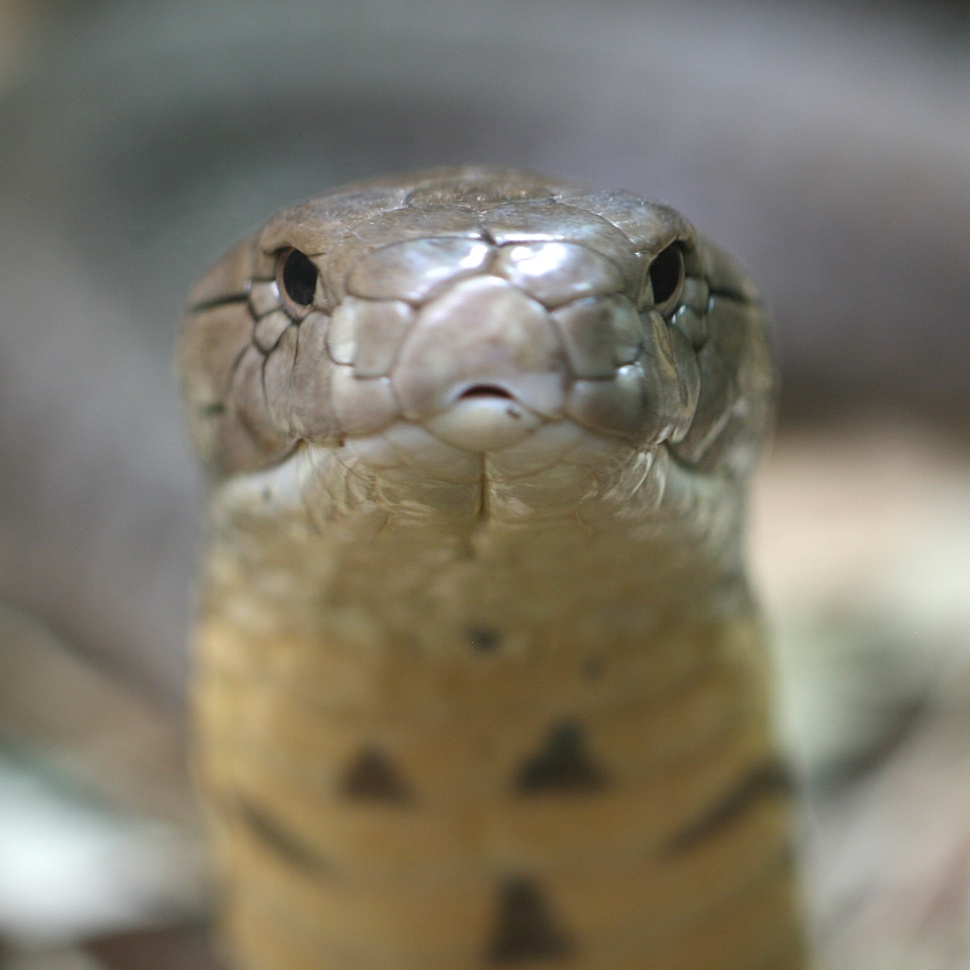
When people ask which snake is the rarest in the world, the answer most herpetologists point to is the Saint Lucia racer, Erythrolamprus ornatus. This slender, harmless snake was once found across the Caribbean island of Saint Lucia, but introduced mongooses and rats wiped it out from the main island during the twentieth century. It was even feared extinct for decades. A survey completed around 2012 on Maria Major, a small offshore islet of roughly 12 hectares, found only about 18 individuals, leading conservation groups to describe it as possibly the rarest snake on Earth. It is listed as Critically Endangered, and its entire wild population lives on a patch of land smaller than many farms.
Rarity is not the same as being unknown. Some snakes are rarely seen simply because they are secretive, burrowing, or live in remote forests that few researchers visit, and new surveys sometimes reveal they are more common than assumed. The species conservationists worry about most are the ones with confirmed tiny populations and a shrinking range. That is why lists of the rarest snakes are dominated by island species: islands limit how far a population can spread, and a single invasive predator, a fire, or a storm can affect every individual at once.
The Antiguan racer, Alsophis antiguae, is the best-known success story in this group. By 1995 only around 50 of these mild-mannered snakes were thought to survive, all on Great Bird Island off Antigua. Conservationists removed invasive rats from the island and nearby islets, then carefully reintroduced racers to additional predator-free sites. Numbers have since climbed into the hundreds and later past a thousand by most reports, though the species is still considered threatened because its range remains so small. A similar recovery happened with the Round Island keel-scaled boa of Mauritius after goats and rabbits that had stripped the island's vegetation were removed. Its neighbor, the Round Island burrowing boa, was not so lucky and has not been seen since 1975.
Two venomous snakes also appear on most lists of the rarest species. The Aruba Island rattlesnake, Crotalus unicolor, lives only on the Caribbean island of Aruba, where it is a national symbol and is estimated to number in the low hundreds. The golden lancehead, Bothrops insularis, is found only on Ilha da Queimada Grande off the coast of Brazil, a small island where public access is restricted by the Brazilian government. Despite sensational stories about the island being overrun, the golden lancehead is Critically Endangered, threatened by its tiny range, habitat changes, and illegal collection for the wildlife trade. Both species are reminders that venomous snakes can be just as vulnerable as harmless ones.
Rare snakes exist closer to home as well. In the United States, the San Francisco garter snake is federally listed as endangered and survives in only a handful of wetland sites, and the eastern indigo snake is listed as threatened across its range in the Southeast. In Australia, the broad-headed snake of the Sydney sandstone region is listed as vulnerable, partly because people remove the rock slabs it shelters under for garden landscaping. In India, many small and poorly studied species, such as some shieldtails of the Western Ghats, are known from only a few specimens, and scientists are still working out how rare they truly are. In each case, the main threats are habitat loss, introduced predators, road traffic, and people killing snakes on sight.
A common myth is that a strange-looking snake in your yard might be some rare or exotic species. In reality, the snake you find under the porch or in the garden is almost always a common local species, and unusual colors are often just natural variation, a snake about to shed, or a juvenile that looks different from adults. Escaped pets do turn up, but they are the exception. Because rare species are often legally protected and common harmless species do valuable pest control, the safest and most responsible approach is the same either way: leave the snake alone, give it space, and never try to handle, catch, or kill it.
If you want to know whether the snake you saw is common, rare, or potentially dangerous, start with a clear photo taken from a safe distance, without stepping closer or disturbing the animal. SerpentID can compare its markings, body shape, and head features against the species most likely to occur in your area, which helps you tell a familiar backyard snake from something unusual. If the result suggests a venomous species, or if the snake is inside your home, contact your local wildlife service or a licensed snake catcher rather than dealing with it yourself. And if anyone is bitten, seek professional medical help immediately.