


Ask most people to name the deadliest snake in the world and they will usually name the one with the strongest venom. That sounds logical, but it mixes up two very different questions. 'Most venomous' is a laboratory measurement of how toxic a snake's venom is, typically tested in mice. 'Deadliest' is a real-world count of how many people actually die from a species' bites. Those two lists barely overlap, and understanding why is one of the most useful things anyone living in snake country can learn.
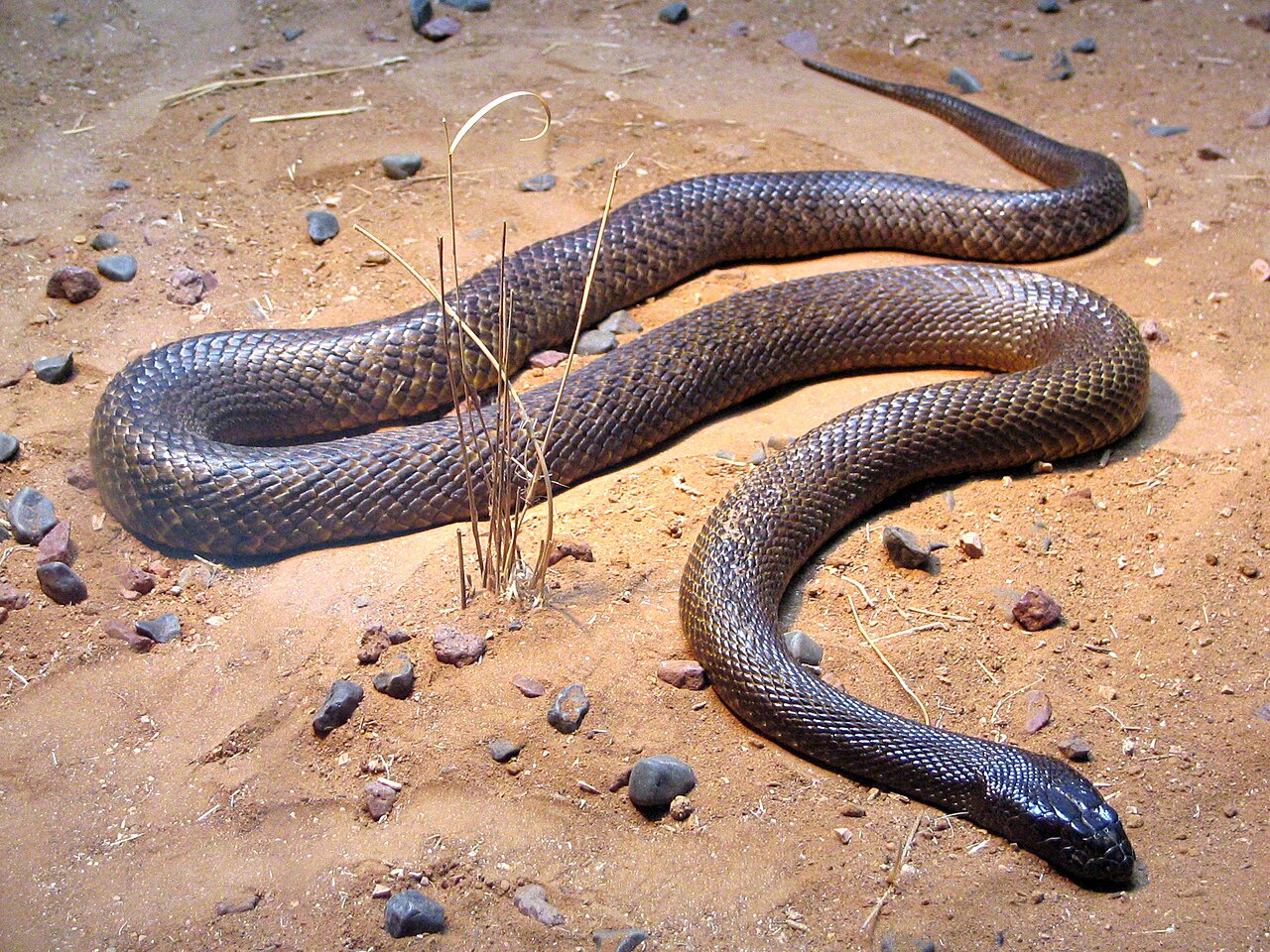
The clearest example is the inland taipan of central Australia. Its venom is the most toxic of any land snake that has been measured, yet there are no well-documented human deaths attributed to it. The reason is simple geography and behavior. Inland taipans live in remote, sparsely populated floodplain country, spend much of their time in soil cracks and burrows, and are generally described as shy. A snake that almost never meets people cannot cause many deaths, no matter how potent its venom is.
The snakes that do kill the most people tend to share a different set of traits: they are common, they live where large numbers of people work and walk, they often rely on camouflage and stay still rather than fleeing, and they are found in regions where medical care and antivenom can be hours or days away. Saw-scaled vipers, a group of small, well-camouflaged vipers in the genus Echis that range across dry parts of Africa, the Middle East, and South Asia, are frequently cited as causing more human deaths than any other snakes. They are short, easy to overlook, and produce a distinctive rasping sound by rubbing their scales together when disturbed, but many bites happen before anyone notices them.
In India, which carries the heaviest snakebite burden of any country, the Russell's viper is widely considered the single biggest killer. It is one of the Big Four, alongside the spectacled cobra, the common krait, and the saw-scaled viper, which together account for most serious bites in the country. Large studies estimate that India loses tens of thousands of people to snakebite every year, most of them in rural farming communities where people work barefoot in fields, sleep on the floor, and may face long journeys to a hospital. Worldwide, the World Health Organization estimates roughly 81,000 to 138,000 snakebite deaths annually, making it a serious and often neglected public health problem.
The picture looks very different in wealthier countries with fast access to emergency care. In Australia, which is famous for its venomous snakes, deaths average only a few per year, and brown snakes cause the majority of them because they are common around farms, sheds, and suburbs. In the United States, several thousand people are bitten by venomous snakes each year, but deaths are rare, typically only a handful annually, with rattlesnakes responsible for most of them. In both countries the venom is genuinely dangerous; the low death toll reflects antivenom availability, ambulance access, and good public awareness rather than harmless snakes.
It is also worth dropping a few popular myths. The black mamba is often called the deadliest snake on Earth, and an untreated bite is extremely serious, but it is not responsible for the largest number of deaths even within Africa. King cobras are the longest venomous snakes but bite people relatively rarely. And the idea that a bigger or more aggressive-looking snake is automatically more dangerous does not hold up; some of the most deadly species are small, plain, and easy to step on. The real lesson is that danger comes from encounters, so the most practical protection is avoiding surprise meetings: wear closed shoes and use a light at night, watch where you put your hands and feet, and give every snake plenty of room. If anyone is bitten, seek professional medical help immediately.
Because the deadliest snakes are so often the ones that blend into leaf litter, dry grass, or a dim doorway, knowing what lives near you matters more than memorizing world rankings. If you come across a snake, stay back, keep children and pets away, and take a photo from a safe distance rather than moving closer. SerpentID can compare the pattern, head shape, and markings in your photo against the species most likely to occur in your area, giving you a better sense of what you are looking at. If the snake turns out to be venomous or you are unsure, leave it alone and contact your local wildlife service or a licensed snake catcher to handle it.