


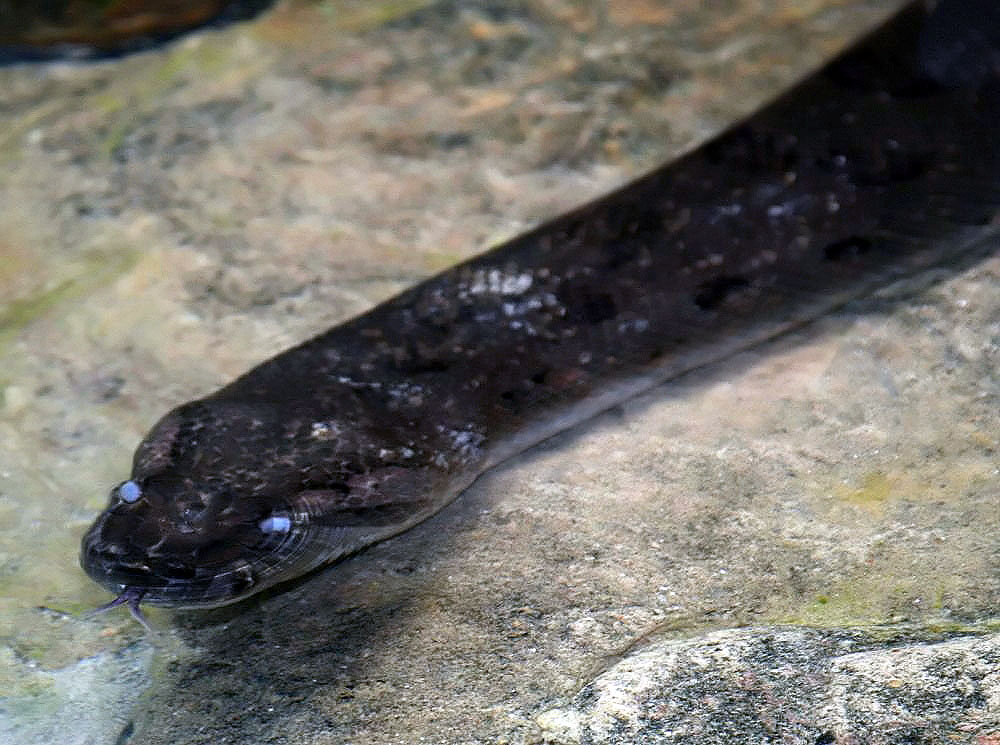
What is the biggest snake in the world has two correct answers, because 'biggest' can mean heaviest or longest. By sheer mass and bulk, the title goes to the green anaconda of South America: a thick-bodied constrictor that can exceed 200 kilograms and reach a girth wider than a person's thigh. It is the most massive snake alive, and its weight is what makes it the heavyweight champion of the snake world.
By length, the record belongs to a different animal — the reticulated python of Southeast Asia. Reticulated pythons are longer and more slender than anacondas and are reliably documented past 6 meters, with the largest credible individuals approaching or exceeding 7 meters. So if the question is which snake stretches the farthest, it is the reticulated python; if it is which snake weighs the most, it is the green anaconda. Both are constrictors that kill by squeezing, not by venom.
Real measurements matter here because giant-snake stories are notoriously exaggerated. Claims of 10-meter monsters circulate constantly, but verified records from scientists fall well short of the legends; a stretched skin or a guessed length is not a measured one. The genuine record-holders are enormous — easily long and heavy enough to be dangerous to handle — but they are nowhere near the impossible sizes that go viral online.
These giants thrive because of where and how they live. The green anaconda spends much of its life in slow tropical water, which supports its great weight and lets it ambush prey; the reticulated python's length suits dense forest and riverbanks across its range. Both eat large prey infrequently, growing throughout their lives, with the very biggest individuals being old, well-fed animals in prime habitat — not the average snake of their species.
For nearly everyone reading this, the practical point is that the world's biggest snakes are not the ones you will meet. The snake in your garden, garage, or local trail is almost certainly a modest-sized native species, not a record-setting constrictor from another continent. The giants make headlines precisely because they are rare and remote, while the snakes that actually matter to your safety are the ordinary local ones you are far more likely to encounter.
That is why identifying your local snake beats memorizing world records. The snake that matters is the one in front of you, not a giant a hemisphere away. If you come across one and want to know whether it is a harmless local or a species that warrants caution, photograph it from a safe distance and let SerpentID compare its markers against likely species in your area — and if a venomous match comes back, keep your distance and contact local wildlife services.