


Snake venom is one of nature's most sophisticated biological weapons, a highly specialized fluid that plays a crucial role in the survival of many snake species. Far from being a simple toxin, venom is a complex cocktail of hundreds, sometimes thousands, of different proteins, enzymes, and other small molecules. This intricate mixture is essentially modified saliva, produced in specialized glands behind the snake's eyes, and its primary function is not to defend the snake, but to capture and subdue prey, as well as to initiate the digestive process even before the meal is swallowed. Understanding its composition and effects is key to appreciating both the danger and the biological marvel of these animals.
The diversity of snake venoms is immense, reflecting the varied diets and evolutionary paths of different snake lineages. While it’s common to hear venoms broadly categorized as either 'neurotoxic' (affecting the nervous system) or 'hemotoxic' (affecting blood and tissues), this is an oversimplification. In reality, most venoms contain a complex blend of components that can have multiple effects simultaneously, often with one type of effect being more dominant. For example, a venom might primarily target the nervous system, leading to paralysis, but also contain enzymes that cause local tissue damage or interfere with blood clotting. This multi-faceted approach makes venom incredibly effective at incapacitating a wide range of prey animals.
At a molecular level, the components of venom work by disrupting specific physiological processes in the victim's body. Neurotoxins, for instance, can interfere with nerve signals, leading to muscle paralysis, respiratory failure, or cardiac arrest. Hemotoxins might cause blood vessels to leak, prevent blood from clotting, or conversely, cause excessive clotting, leading to internal bleeding or blockages. Cytotoxins can directly destroy cells and tissues, causing severe pain, swelling, and necrosis at the bite site. Other enzymes might break down proteins, fats, and carbohydrates, effectively beginning the digestion of the prey from the inside out. The specific combination and concentration of these compounds determine the unique impact of each snake species' venom.
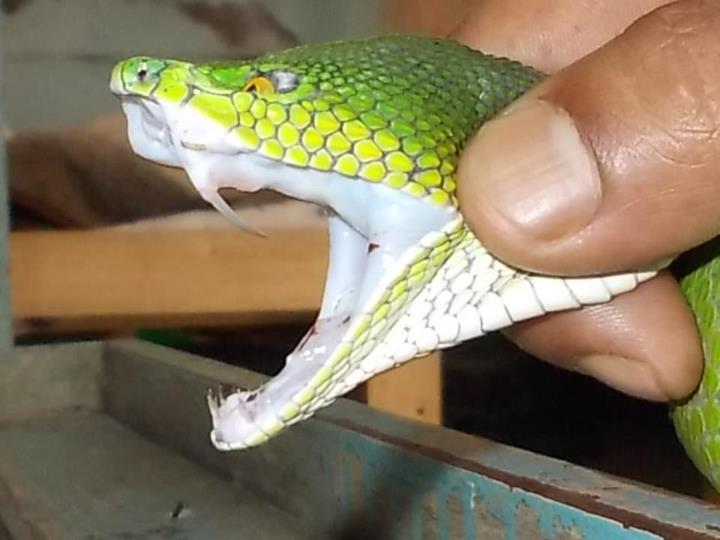
The delivery system for venom is as specialized as the venom itself. Venomous snakes possess fangs, which are modified, hollow or grooved teeth designed to efficiently inject venom deep into prey. These fangs can be fixed in the front of the mouth, as in cobras and mambas, or hinged and retractable, like those of vipers such as rattlesnakes and copperheads. When a venomous snake bites, muscular contractions around the venom glands force the venom through the fangs and into the victim. The amount of venom injected, often referred to as 'envenomation,' can vary greatly depending on factors such as the snake's size, its defensive intent, and whether it has recently used its venom.
From an evolutionary perspective, venom is a prime example of natural selection at work. It has evolved independently in multiple snake lineages, continually adapting to become more potent and efficient against the specific prey items that each snake species hunts. This ongoing evolutionary arms race between snakes and their prey results in an incredible array of venom compositions, making each species' venom subtly, or sometimes dramatically, different. This complexity is also why developing effective antivenom is a challenging and ongoing scientific endeavor, as antivenom must be specifically tailored to counteract the specific components of a particular snake's venom.
Given the powerful effects of snake venom on biological systems, it is critical to treat any suspected venomous snake bite as a serious medical emergency. The rapid and complex action of venom means that even bites from species not considered highly lethal can cause significant tissue damage, pain, and systemic effects. The exact symptoms and their severity will depend on the snake species, the amount of venom injected, and the individual's reaction, but all require immediate professional medical intervention to mitigate harm and prevent long-term complications.
If you encounter a snake, whether you suspect it is venomous or not, the safest course of action is always to maintain a respectful distance. Never attempt to approach, handle, or provoke any snake. If you need to identify a snake you’ve seen, take a clear photograph from a safe distance, making sure to capture any distinctive markings or patterns. The SerpentID app can then compare these images against known local species, helping you determine if it's a harmless visitor or a venomous species that requires you to contact local wildlife services for safe removal.