


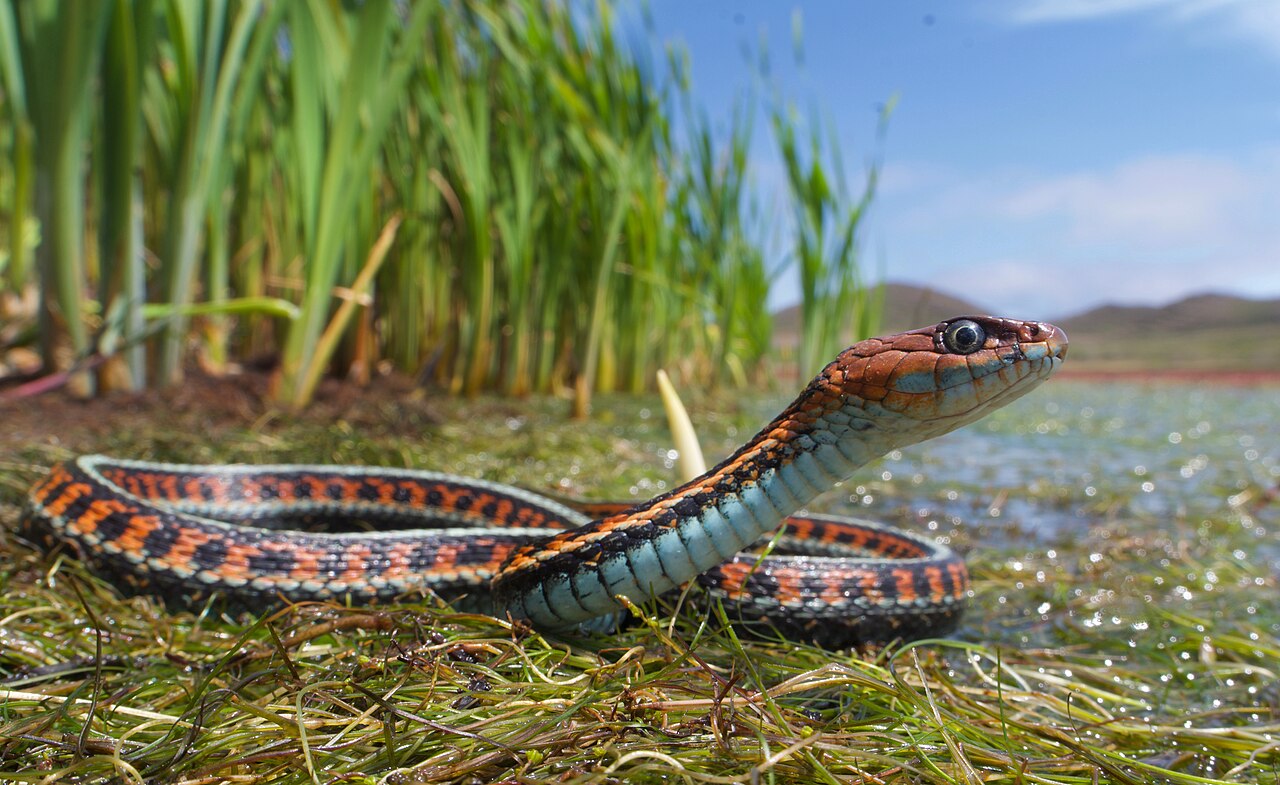
Many people who encounter snakes in their garden, on a trail, or while moving yard debris report a sudden, overpowering smell that resembles rotting flesh, stale skunk spray, or pungent swamp mud. This foul odor is not body odor from poor hygiene, nor is it intestinal gas; it is snake musk. Musk is a specialized defensive liquid produced by scent glands located near the base of the tail, just inside the cloacal opening. When a snake feels cornered, grabbed, or panicked, it voluntarily releases this oily fluid as a last-ditch effort to convince a predator to drop it.
The chemical composition of snake musk varies by species, but it generally contains a mixture of volatile fatty acids, amines, and protein-based compounds that trigger an immediate, repulsive olfactory reaction in mammals and birds. In many common non-venomous species—such as garter snakes, water snakes, and rat snakes—the release of musk is often accompanied by energetic tail-thrashing. By smearing the fluid against its own body and its attacker, the snake ensures that the terrible scent covers everything, making the reptile seem deeply unappetizing or spoiled to a hungry carnivore.
Because producing and releasing musk requires very little energy compared to manufacturing complex venom or engaging in a prolonged fight, it is one of the most efficient survival strategies in the reptile world. Smaller, non-venomous snakes rely heavily on musk because they lack large teeth or toxic bites to defend themselves against hawks, raccoons, and domestic pets. For a predator, an animal that suddenly smells like decaying matter suggests potential food poisoning, prompting the hunter to drop its catch and seek a cleaner meal elsewhere.
For homeowners and outdoor enthusiasts, coming into contact with snake musk can be a memorable and stubborn experience. The oily nature of the secretion means it clings easily to skin, clothing, footwear, and leather gloves, often persisting through standard washings with plain soap and water. Heavy-duty dish soap, isopropyl alcohol, or baking soda pastes are typically required to break down the organic lipids and neutralize the smell. Despite its intense stench, snake musk is non-toxic to human skin and poses no direct physical threat, serving strictly as a sensory deterrent.
While musking is a classic defensive behavior, smelling or seeing it is a clear signal that a snake is extremely stressed and trying to preserve its life. Attempting to catch, move, or handle any wild snake dramatically increases the chances of receiving a defensive bite or a coating of foul musk. If you spot a snake in your yard or on a walk, the best response is to give it space and let it move away at its own pace. Taking a clear photograph from a safe distance allows SerpentID to analyze its visual markings against known local species, helping you quickly determine whether you are looking at a harmless gardener's helper or a venomous reptile. If you ever suspect a snake on your property is venomous, always contact professional wildlife removal services rather than attempting to manage it yourself.