


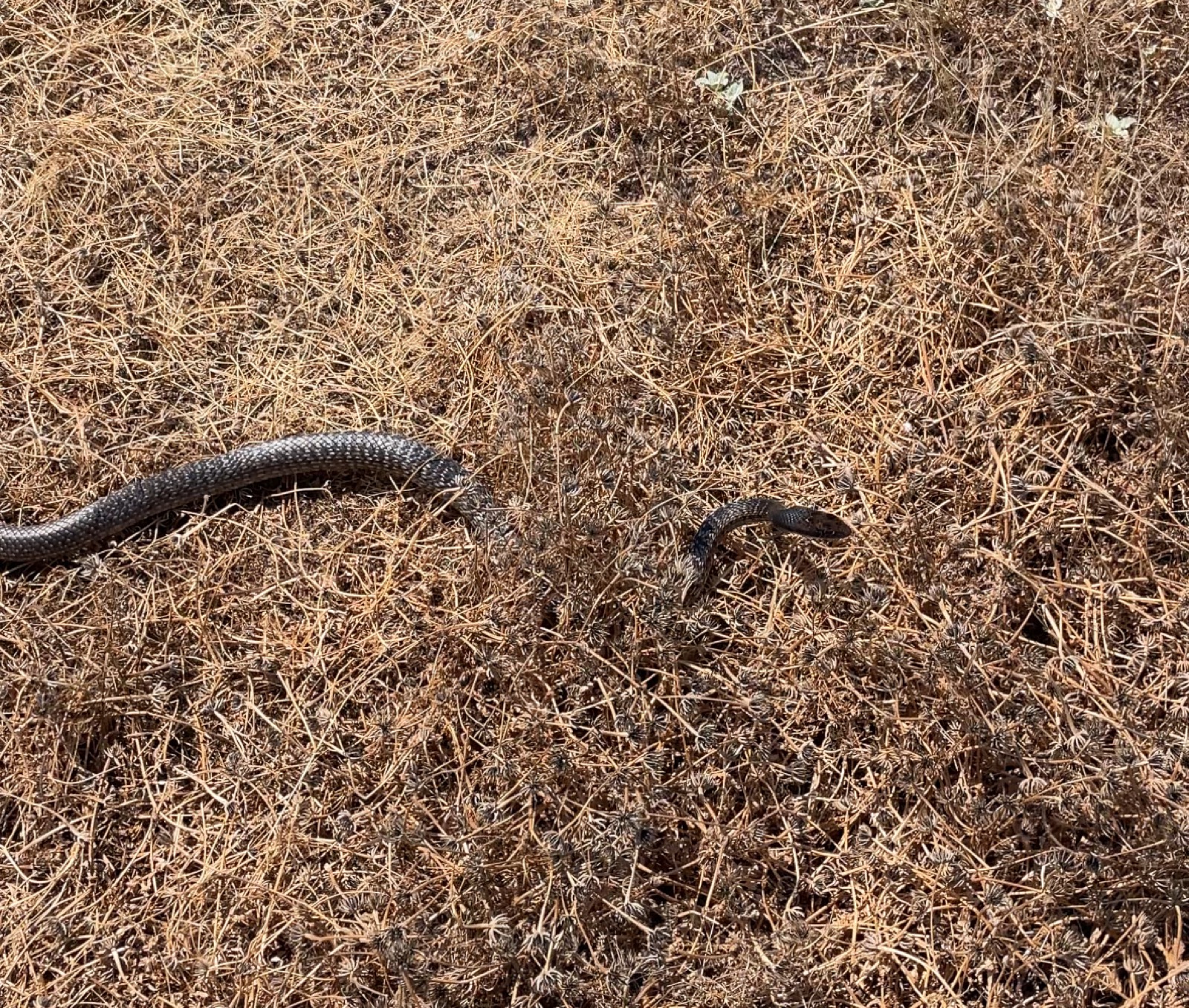
The rapid, darting flick of a snake's tongue is one of its most recognizable behaviors, often mistakenly thought to be a sign of aggression or even a "sting." In reality, this constant motion is a sophisticated form of sensory exploration, a critical tool that allows snakes to understand their surroundings. Far from a weapon, the tongue is a delicate and highly specialized organ that helps snakes navigate their world in ways humans can only begin to imagine, primarily by "tasting" the air and ground around them.
Unlike humans who inhale scents through nasal passages, snakes use their tongues to physically collect chemical particles from the environment. As the snake flicks its tongue out, it sweeps through the air, across surfaces, and even into water, picking up microscopic chemical cues. These particles might be shed skin cells, pheromones from a potential mate, or the lingering scent of prey. The tongue's surface is surprisingly effective at trapping these tiny bits of information, which are then brought back into the mouth for analysis.
Once retracted, the forked tips of the tongue are inserted into two small openings in the roof of the snake's mouth. These openings lead to a pair of specialized chemosensory structures called the vomeronasal organs, also known as Jacobson's organs. It is within these organs that the collected chemical particles are analyzed. The information gathered here is then sent to the snake's brain, providing a detailed chemical "picture" of its environment, distinct from what its eyes or ears perceive.
The distinctive forked shape of the snake's tongue is not merely cosmetic; it's a crucial adaptation for directional sensing. Each fork can collect different concentrations of chemical cues from slightly different points in space. By comparing the strength of these signals between the left and right forks, the snake's brain can determine the direction from which a scent trail originates. This allows a snake to follow a precise path to locate hidden prey, track a mate, or even pinpoint the escape route of a predator.
This sophisticated chemical sense is integral to nearly every aspect of a snake's life. It's vital for hunting, allowing them to follow faint scent trails left by rodents, birds, or amphibians, even in complete darkness. It's essential for reproduction, as snakes use pheromones detected by their tongues to find and identify suitable mates. Furthermore, it plays a significant role in predator avoidance, helping snakes detect the presence of danger long before it becomes visible or audible, enabling them to seek refuge or prepare a defense.
It's important to reiterate that a snake's tongue does not sting, nor does it function like a human's tongue for tasting food or speaking. The flicking is purely for gathering chemical information, a process often referred to as "chemoreception." Snakes use their teeth and fangs for biting and subduing prey, not their tongues. Understanding this primary function helps demystify snake behavior and replaces ancient fears with scientific appreciation for these remarkable reptiles.
Observing a snake's tongue flicking is a fascinating glimpse into its sensory world, but it's always best done from a safe distance. Snakes, regardless of their species, are simply going about their lives, relying on their senses to survive. If you encounter a snake and need to identify it, remember to take a clear photograph from a safe distance. The SerpentID app can then compare its unique markings against local species, helping you determine if it's venomous and when to contact local wildlife services for assistance.