


While snakes are often seen as apex predators in their ecosystems, playing a crucial role in controlling rodent and pest populations, they are by no means invulnerable. In fact, snakes are a significant food source for many other animals, making them an integral part of the natural food web. Understanding who preys on snakes helps us appreciate their place in nature and the constant struggle for survival that shapes their behaviors and adaptations.
Among the most prominent predators of snakes are various birds of prey. Hawks, eagles, and owls frequently snatch snakes from open ground or tree branches, using their keen eyesight and powerful talons to capture and dispatch their reptilian meals. The Secretarybird in Africa is particularly famous for its snake-hunting prowess, stomping on its prey with powerful kicks. These avian hunters play a vital role in regulating snake populations across diverse habitats.
Mammals also contribute significantly to the list of snake predators. Carnivores like foxes, badgers, and raccoons will readily consume snakes if given the opportunity. In some parts of the world, mongooses are renowned for their ability to hunt and kill venomous snakes, thanks to their agility and partial immunity to certain venoms. Wild cats, including bobcats and even domestic cats, are opportunistic predators that will not hesitate to prey on snakes, especially smaller individuals. Humans, in some cultures, also consume snakes, further adding to the range of mammalian threats.
Remarkably, other reptiles and even some amphibians can also be snake predators. King snakes, for instance, are well-known for being ophiophagous, meaning they specialize in eating other snakes, including venomous species. Larger monitor lizards will also prey on smaller snakes, and certain large frogs or toads, like bullfrogs, have been observed consuming juvenile snakes. This intricate web of predation highlights the complex dynamics within snake habitats.
To counter these numerous threats, snakes have developed an impressive array of defensive strategies. One of the most common and effective is camouflage, allowing them to blend seamlessly into their surroundings and avoid detection. Many species, like the Copperhead or the Gaboon Viper, have intricate patterns that mimic leaf litter or forest floors, making them incredibly difficult to spot. When camouflage fails, fleeing is often a snake's first response, using their speed and agility to escape into dense cover or burrows.
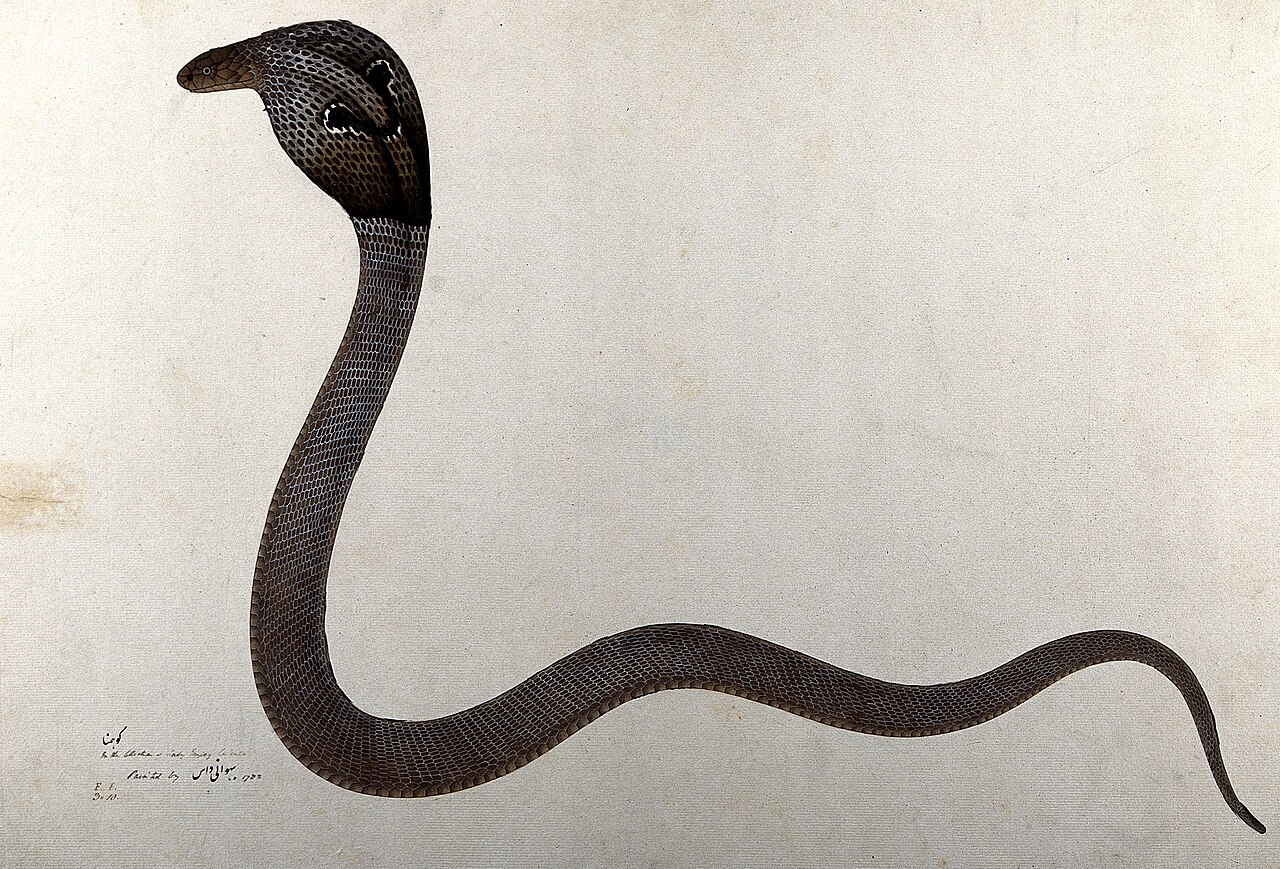
If escape is not an option, snakes resort to more active defensive displays. Many non-venomous snakes will bluff by coiling, hissing loudly, or striking with a closed mouth to deter a predator. Venomous snakes, like the Rattlesnake, use clear warning signals such as rattling their tail to announce their presence and encourage predators to retreat before a bite is necessary. The Indian Cobra, for example, spreads its iconic hood, a visual warning that makes it appear larger and more intimidating. As a last resort, a venomous snake will bite, injecting venom as a potent defense mechanism.
Observing snakes in their natural environment can be a fascinating experience, offering a glimpse into their survival strategies as both predator and prey. However, it is crucial to maintain a safe distance and never attempt to approach or handle any snake. If you encounter a snake and are unsure of its species or whether it poses a threat, the safest course of action is to take a clear photograph from a respectful distance. SerpentID can then help you identify the snake by comparing its markings against local species. If you suspect the snake is venomous or if you or a pet has been bitten, seek professional medical help immediately and contact your local wildlife services for guidance.