


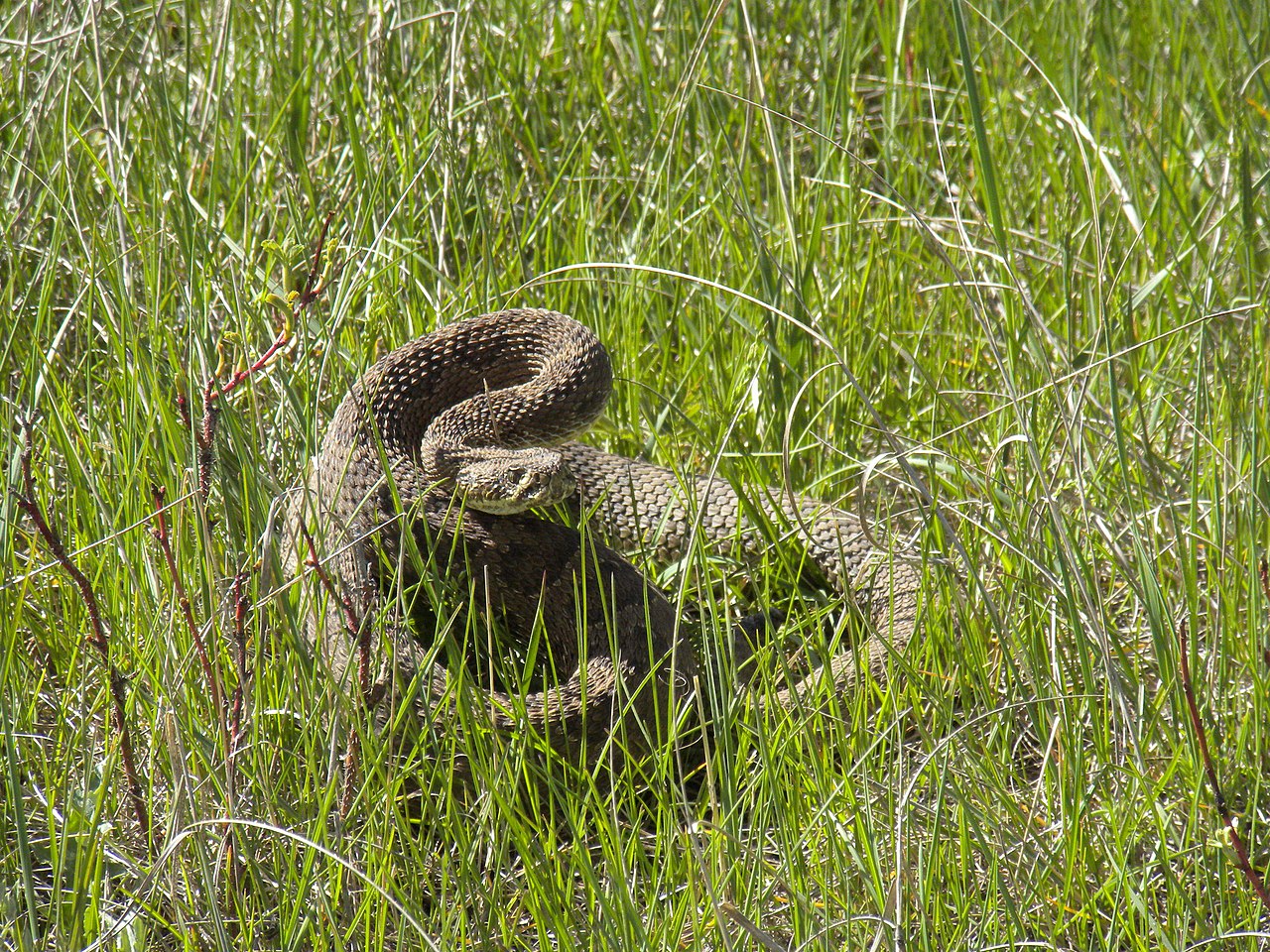
When a snake bite occurs, one of the first instincts is often to examine the bite marks themselves, hoping to determine if the snake was venomous. It is a common misconception that a specific pattern of marks can definitively tell you whether venom has been injected. In reality, relying solely on the appearance of a bite to identify a venomous encounter can be misleading and even dangerous, potentially delaying critical medical care. The most important action after any suspected snake bite is to seek professional medical help immediately, as even non-venomous bites can pose health risks.
Non-venomous snakes typically leave behind a series of small, shallow tooth marks, often in a horseshoe or U-shaped pattern. These marks correspond to the rows of tiny, sharp teeth they use to grip prey. While these bites usually cause only minor pain, localized swelling, and bleeding, they can still break the skin and introduce bacteria. Proper cleaning and disinfection of a non-venomous bite are essential to prevent infection, and medical consultation may still be advisable, especially if the wound is deep or shows signs of infection later.
Bites from venomous snakes, particularly pit vipers like rattlesnakes, copperheads, and cottonmouths (in the US), are often characterized by one or two distinct puncture wounds from their fangs. However, this is not always the case. A venomous snake might only leave one fang mark, or multiple marks if it strikes more than once or "chews" on the victim. Furthermore, a "dry bite" can occur, where a venomous snake bites but does not inject venom, making the initial bite marks indistinguishable from a non-venomous bite. Elapids, such as cobras and coral snakes, have shorter, fixed fangs and may leave less obvious puncture marks, sometimes appearing as a series of scratches or smaller punctures, making visual identification even more complex.
Rather than focusing solely on the bite marks, the development of symptoms is a far more reliable indicator of a venomous encounter. Within minutes to hours of a venomous bite, common signs include immediate and intense pain at the bite site, rapid swelling that spreads from the wound, bruising, blistering, and discoloration of the skin. Systemic symptoms can also develop, such as nausea, vomiting, dizziness, weakness, sweating, and difficulty breathing. The progression and severity of these symptoms are crucial clues that medical professionals use to diagnose and treat a venomous bite, often more so than the initial appearance of the marks.
The unreliability of bite mark identification stems from several factors. The angle of the strike, the size of the snake, the amount of skin available, and whether the snake makes a full or partial strike can all alter the appearance of the wound. Swelling can quickly obscure initial fang marks, making them hard to discern. Additionally, some venomous snakes, like certain elapids, may not leave prominent fang marks, or their fangs might be so small that they resemble the teeth of a non-venomous snake. Therefore, assuming a bite is non-venomous based on a lack of clear fang marks can lead to a dangerous delay in treatment.
It is a dangerous myth to believe that all venomous snake bites will display two clear fang marks, or that the absence of such marks means the snake was harmless. This oversimplification can lead to complacency and severe consequences. The priority should always be to assume the worst in any uncertain bite situation and seek immediate medical attention. Do not attempt to cut or suck the venom, apply a tourniquet, or use ice, as these actions are often harmful and ineffective. Focus on remaining calm, immobilizing the affected limb, and getting to a hospital or medical facility as quickly as possible.
In summary, while the appearance of a snake bite can offer some initial clues, it is never a definitive way to determine if a snake was venomous or if venom was injected. The most crucial step after any snake encounter resulting in a bite is to seek professional medical help without delay. If possible and safe, take a photograph of the snake from a considerable distance to aid medical staff in identification. The SerpentID app can help compare markings against likely local species, providing valuable information to healthcare providers, but your immediate safety and medical care must always come first.