


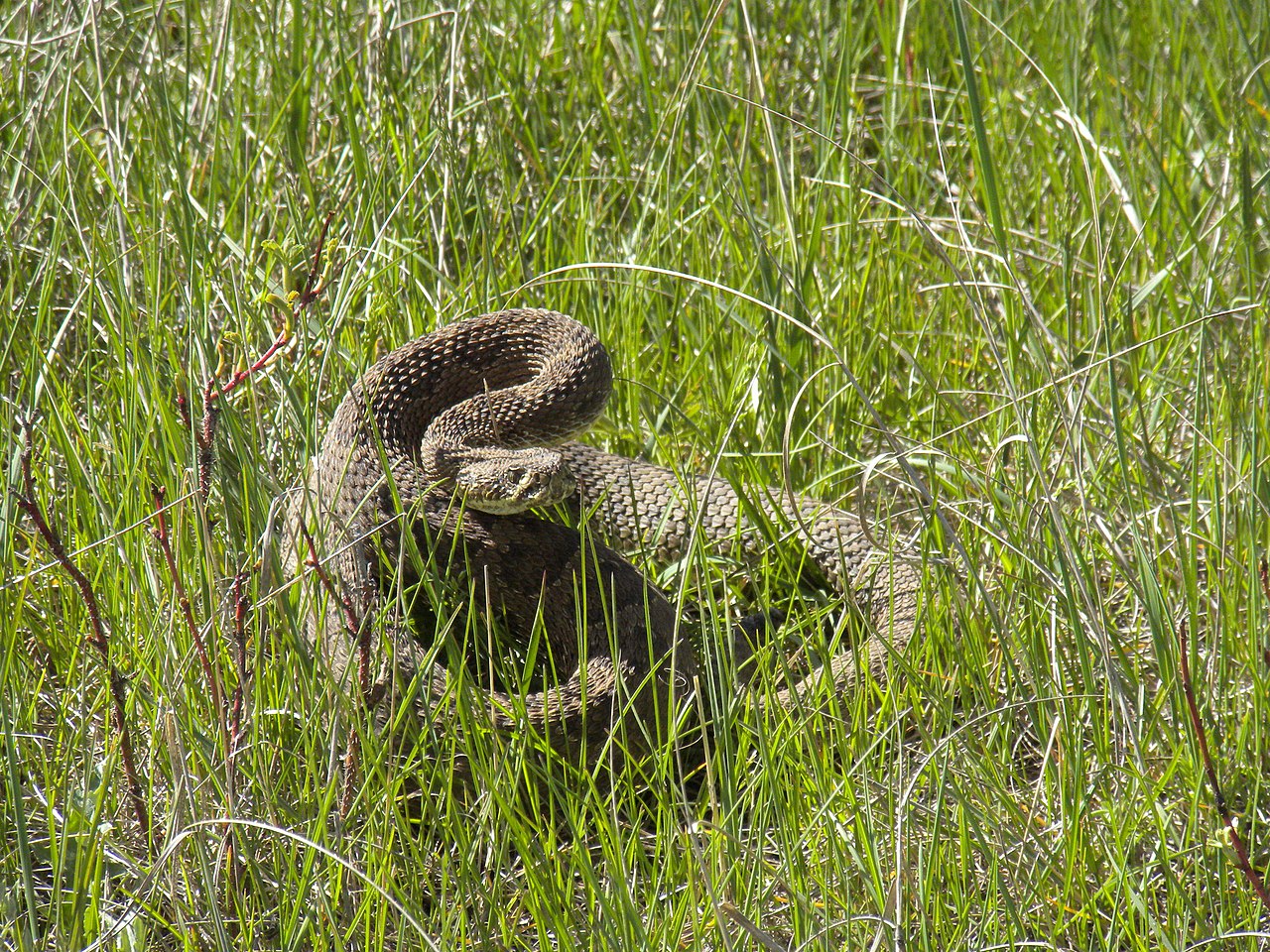
Snakes are often misunderstood creatures, frequently perceived as aggressive and eager to bite. In reality, a snake’s fundamental instinct when encountering a potential threat – which often includes humans – is to avoid confrontation entirely. They are inherently shy animals that prefer to remain unnoticed. Any display of aggression, such as hissing, striking, or rattling, is almost universally a defensive maneuver, a desperate attempt to deter what they perceive as a predator and to secure their own safety.
The first and most common defensive strategy for a snake is simply to remain still and rely on its camouflage. Many species have intricate patterns and coloration that allow them to blend seamlessly into their environment, whether it's leaf litter, rocky terrain, or tree branches. If detected, their next move is typically to flee. A snake will almost always try to escape to a safe hiding spot, such as under a rock, into dense vegetation, or down a burrow, rather than engage in a fight.
If escape is not an option, a snake will escalate its defensive display with a series of warnings designed to intimidate a potential predator. These can vary widely by species. Rattlesnakes, for instance, vibrate their tails to produce a distinct rattling sound, while cobras famously spread their hoods to appear larger and more formidable. Many other snakes, from the common garter snake to the formidable Indian cobra, will hiss loudly to startle a threat. Some non-venomous snakes, like hognose snakes or spreading adders, may flatten their heads and necks to mimic the triangular head shape often associated with venomous species, attempting to bluff their way out of danger.
Beyond overt warnings, some snakes employ more elaborate bluffing tactics. The hognose snake is particularly famous for its dramatic performance of playing dead. When threatened, it will writhe around, flip onto its back, open its mouth, and even release foul-smelling musk to convince a predator it’s deceased and therefore unappetizing. Other snakes might engage in false strikes, lunging at a threat with a closed mouth or a quick, non-venomous bite, hoping to scare off the perceived danger without expending venom or risking injury.
Biting is almost always the final, most desperate act of defense for a snake. It occurs when all other attempts to deter a threat have failed, and the snake feels it has no other recourse. Snakes do not waste venom or risk injury by biting without extreme provocation. A snake bite is usually a last-ditch effort to survive, not an unprovoked attack. Understanding this defensive mindset is crucial for safely coexisting with snakes and appreciating their natural behaviors.
For humans, encounters with snakes are most often a result of accidentally startling them. We might step too close, block their escape route, or attempt to handle them. From the snake's perspective, our presence is a significant threat, and their defensive behaviors are a direct response to feeling cornered or endangered. Maintaining a respectful distance and allowing the snake to move away on its own is the best way to prevent a defensive reaction.
Encountering a snake can be startling, but remembering that their actions are primarily defensive can help you react calmly and safely. If you encounter a snake and are unsure of its species or potential danger, the best approach is always to give it space. Take a photograph from a safe distance, if possible, and use the SerpentID app to identify the snake. This allows you to learn about the species without risking an encounter, and if it is identified as venomous, you can contact local wildlife services for assistance, ensuring safety for both you and the snake.