


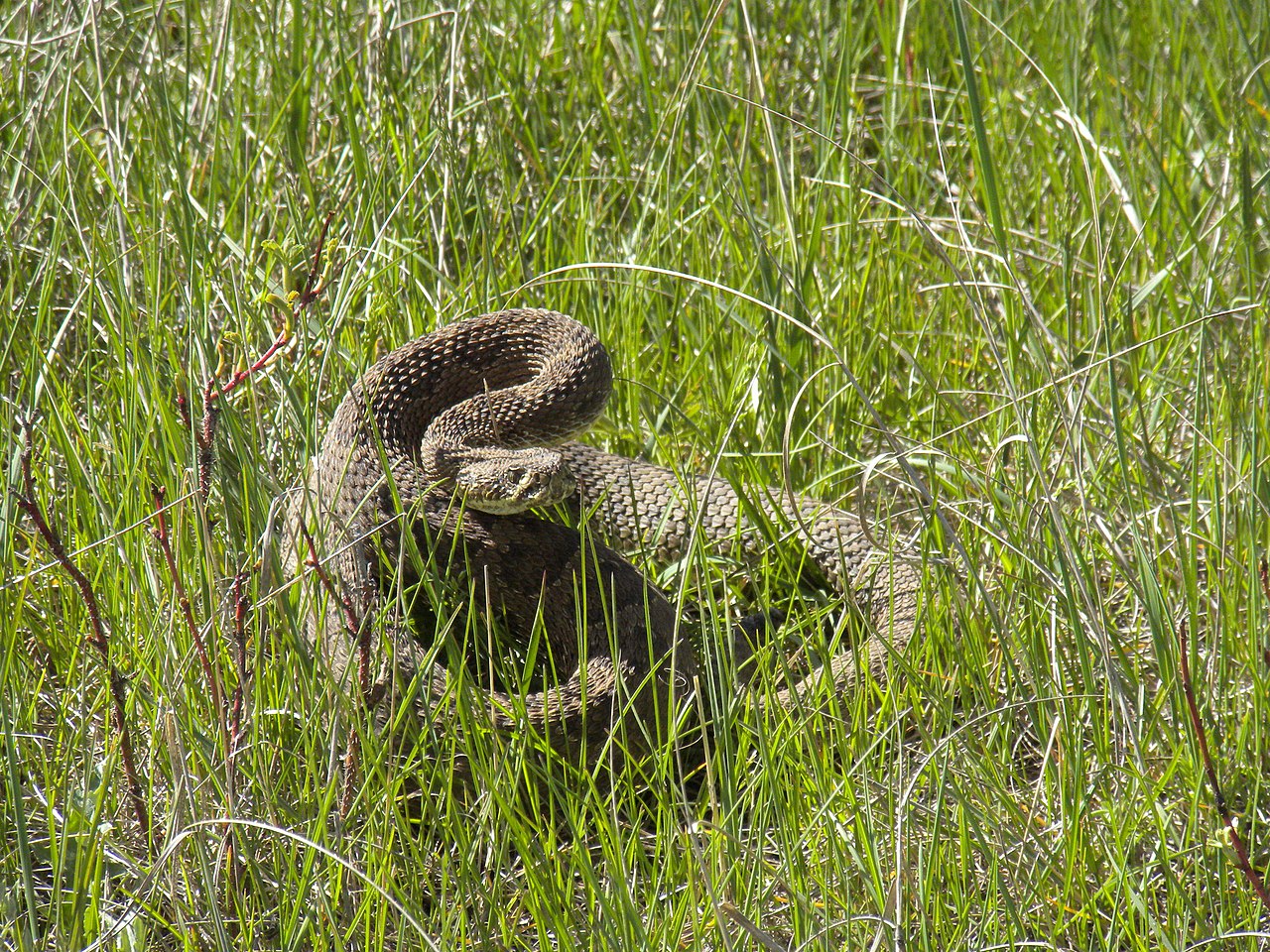
Most snakes are shy, reclusive creatures that prefer to avoid any interaction with humans. When a snake feels threatened, its primary goal is usually to escape. A bite is an energy-intensive and risky last resort, used only when the snake perceives no other option for defense. Because of this, snakes almost always provide clear warning signals before they strike, giving you a chance to recognize the danger and safely back away. Understanding these pre-strike behaviors is crucial for anyone who might encounter snakes in their yard, on a trail, or in their home.
One of the most recognizable pre-strike postures is the defensive S-coil. Many snakes, particularly venomous species like rattlesnakes and copperheads, will coil their body into a tight S-shape with their head raised and pulled back. This isn't just a resting posture; it's a spring-loaded position that allows the snake to launch forward rapidly. The S-coil indicates a snake that feels cornered and is ready to defend itself. Seeing a snake in this stance is a strong signal that you are too close and need to slowly retreat.
Beyond the physical posture, snakes often use auditory and visual warnings. Hissing is a common defensive sound made by many species, created by rapidly expelling air from their lungs. This sound is an unmistakable warning to stay away. Some snakes, when feeling threatened, will also flatten their heads or bodies to appear larger and more intimidating. This can be a dramatic transformation, making a relatively slender snake suddenly seem much broader and more imposing, a visual bluff designed to deter potential predators.
Tail vibration is another significant warning sign. Rattlesnakes are, of course, famous for their rattle, which creates a distinct buzzing sound as a clear alert. However, many other species of snakes, both venomous and non-venomous, will rapidly vibrate their tails when agitated. If they are in dry leaves, grass, or against a hard surface, this tail vibration can mimic the sound of a rattlesnake, serving as an effective warning. Always assume a buzzing or rattling sound from vegetation could indicate a snake and give it a wide berth.
Some snakes may even perform 'mock strikes' or 'bluff charges' before committing to an actual bite. Species like the hognose snake are renowned for their dramatic defensive displays, which can include hissing, flattening, and even striking with a closed mouth, or striking and missing intentionally. These are desperate attempts to scare off a perceived threat without having to expend venom or risk injury in a full-contact bite. While these are bluffs, they are still serious warnings that the snake feels extremely threatened and is on the verge of biting.
It is important to remember that these warning signs are the snake's way of communicating distress and a desire for space. Ignoring these signals or attempting to provoke a snake further significantly increases the risk of a bite. Snakes do not waste their venom or energy unnecessarily, and a strike is a costly endeavor for them. Their warnings are genuine attempts to avoid conflict.
Should you encounter a snake exhibiting any of these warning behaviors, the safest action is always to slowly and calmly back away, maintaining a significant distance. Never attempt to approach, handle, or harm the snake. If you are unsure about the species, take a clear photograph from a safe distance, and let SerpentID help you identify it. If it is a venomous species or you are concerned for safety, contact your local wildlife control services or a professional snake handler for assistance.