


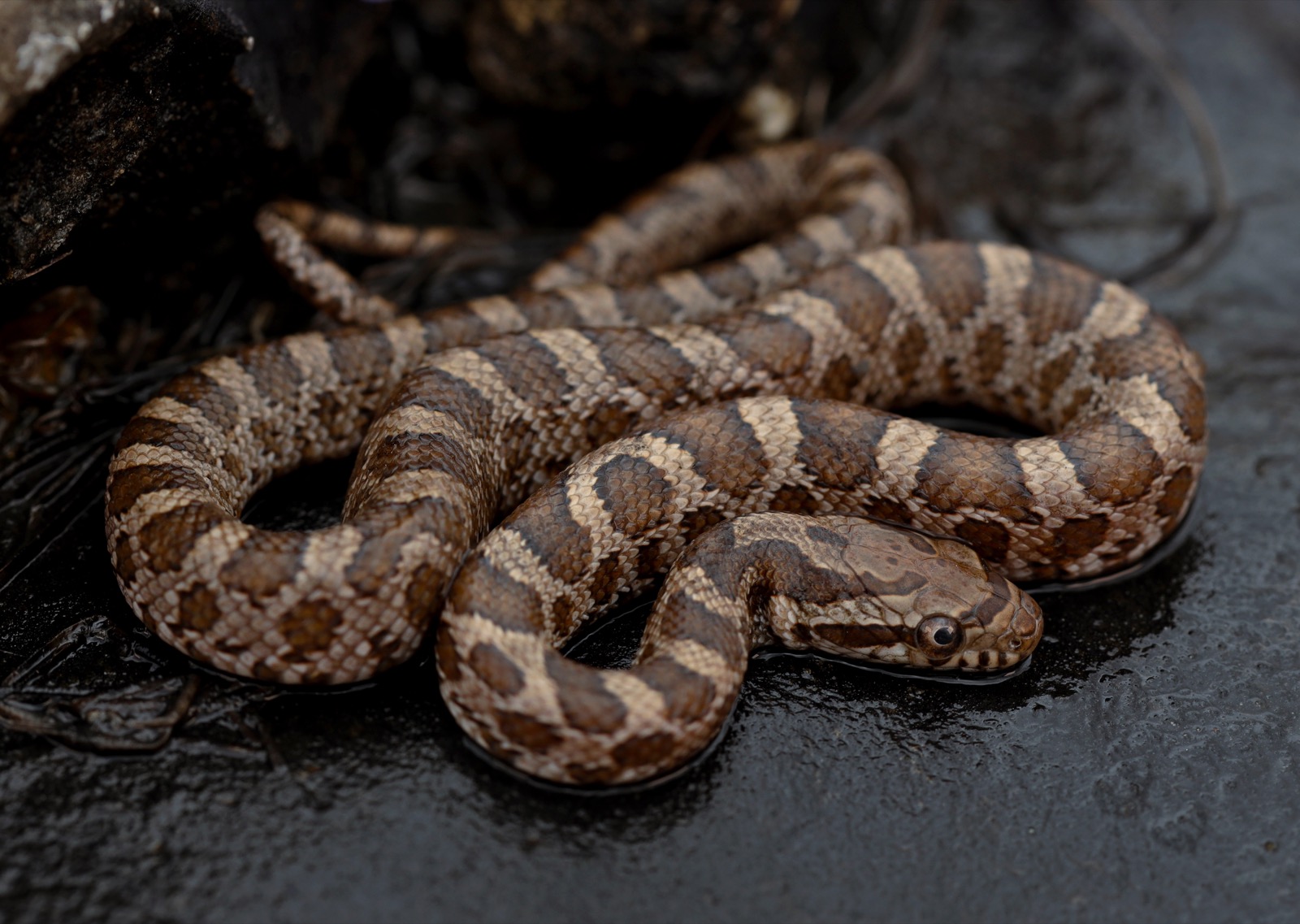
Contrary to the common misconception that snakes "do nothing" or are lazy, their daily lives are a finely tuned series of behaviors crucial for survival. As ectothermic animals, often referred to as "cold-blooded," snakes depend entirely on external sources to regulate their body temperature. This fundamental biological need shapes almost every aspect of what a snake does throughout its day, from the moment it emerges from its shelter to when it retreats for the night. Their activities are not random, but rather a strategic response to environmental conditions and pressing physiological demands.
A significant portion of a snake's day is dedicated to thermoregulation. In the morning, or after a cool night, a snake might be seen basking in a sun-drenched spot, such as on a rock, paved surface, or open patch of ground. Absorbing solar radiation allows them to warm their bodies to an optimal temperature for digestion, movement, and other metabolic processes. Conversely, on a hot afternoon, a snake will actively seek shade or retreat into burrows, dense vegetation, or under objects to prevent overheating, demonstrating a constant search for thermal comfort zones.
Once adequately warmed, a snake's attention often turns to hunting or foraging for food. This activity varies greatly depending on the species and its diet. Some snakes are ambush predators, lying motionless and camouflaged, waiting for unsuspecting prey to pass by. Others are active foragers, slowly scent-trailing or searching for prey using their keen sense of smell, aided by their flicking forked tongues that pick up chemical cues from the environment. Despite appearances, this can be a patient, meticulous process, and successful hunts can be infrequent, allowing snakes to go extended periods without eating.
Hydration is another vital daily need. Snakes will seek out water sources, whether it's a dew-covered leaf, a puddle, a stream, or even the moisture from their prey. After a successful meal, or simply to conserve energy and avoid predators, snakes spend considerable time resting and digesting in secure, hidden locations. This resting period can be prolonged, especially after consuming a large meal, as their metabolism works slowly to break down food, sometimes taking days or even weeks for complete digestion.
Beyond these core activities, snakes also engage in movement and exploration. They may travel between different microhabitats to find better basking spots, new hunting grounds, potential mates during breeding season, or safer shelters. This movement, while often appearing slow and deliberate, is essential for their overall survival and reproductive success. These journeys are usually undertaken with caution, as snakes are vulnerable to predators themselves, constantly assessing their surroundings for threats.
Ultimately, a snake's day is a complex interplay of environmental factors and instinctual behaviors, all aimed at survival and and perpetuating its species. They are not idle creatures, but highly adapted reptiles executing a purposeful daily routine. If you encounter a snake during its daily activities, remember to observe it from a safe distance. Photographing the snake's markings from afar can be incredibly helpful for identification, allowing apps like SerpentID to compare it against likely local species. If it's a venomous species, or if you're unsure, contact local wildlife services for guidance, rather than attempting to approach or handle the animal.