


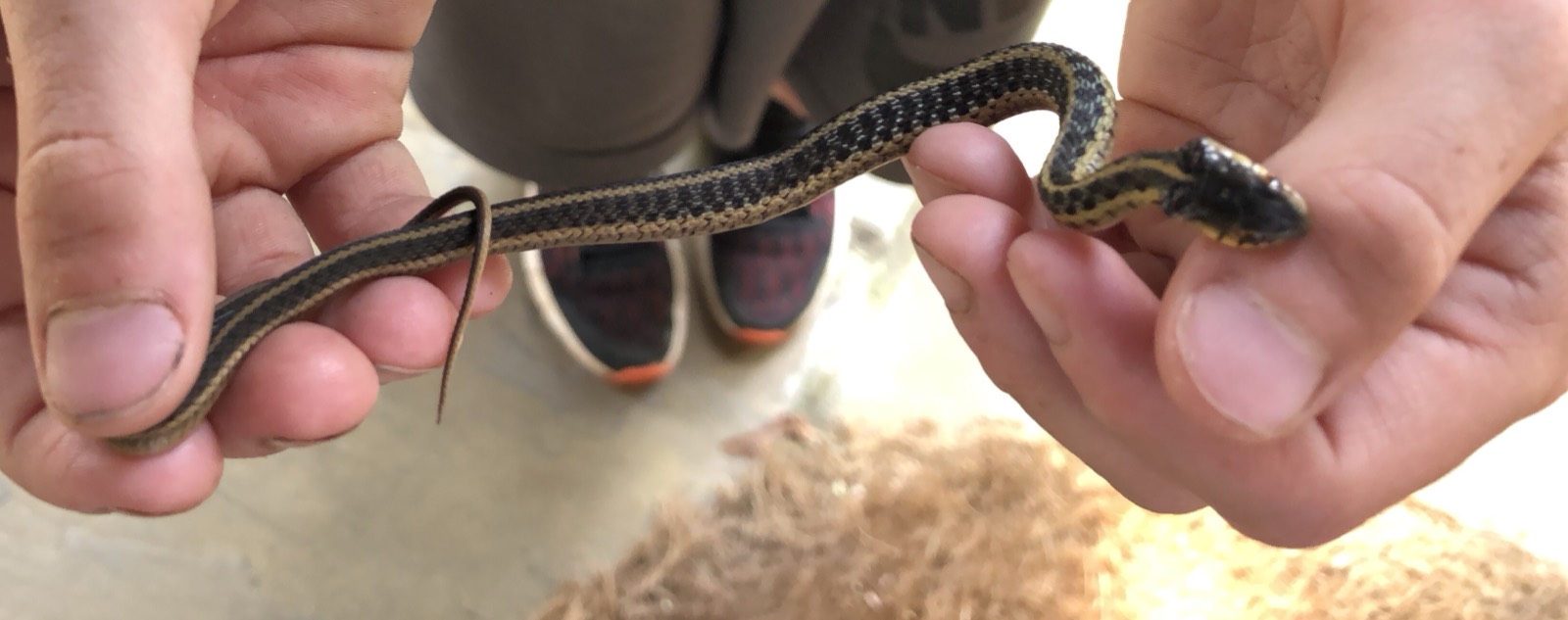
From the moment they emerge from their eggs or are born live, baby snakes are entirely independent, equipped with all the instincts necessary to survive. Unlike many mammal or bird offspring, young snakes receive no parental care, including no assistance with finding food. Their survival hinges on their ability to locate and capture prey on their own, making their first meals a critical step in their early lives. Broadly speaking, baby snakes eat the same kinds of food as their adult counterparts, but the size of the prey they can tackle is significantly smaller.
The specific diet of a baby snake varies greatly depending on its species and geographic location. For very small species, or the hatchlings of larger ones, initial meals might consist of small invertebrates like soft-bodied insects, earthworms, slugs, or even tiny spiders. Larger hatchlings, particularly those of species that grow to substantial adult sizes, may target small frogs, lizards, or even "pinky" (newborn) rodents. The key factor is that the prey must be small enough for the young snake to overpower and swallow, as their jaws and bodies are not yet developed to handle larger meals.
Despite their small stature, baby snakes possess the same sophisticated sensory abilities as adults, which they use to hunt effectively. They rely on their keen sense of smell, using their forked tongues to "taste" the air for chemical cues left by potential prey. Pit vipers, even as hatchlings, are born with their heat-sensing pits fully functional, allowing them to detect the infrared radiation emitted by warm-blooded prey. Ground vibrations can also alert them to nearby meals. These innate hunting skills are crucial, as there are no lessons from parents, only the harsh realities of the wild.
As baby snakes grow, their dietary needs and capabilities evolve. A snake that started its life feasting on small crickets or worms will gradually expand its menu to include larger insects, small amphibians, and eventually, the small rodents or birds that characterize an adult diet for many species. This transition in prey size is directly linked to the snake's increasing body length and girth, which allows it to overpower and consume bigger animals. Consistent access to appropriate food is vital for their rapid growth during their juvenile stage.
The early life of a snake is fraught with peril, and starvation is a significant threat to hatchlings and neonates. Many baby snakes do not survive their first year due to their vulnerability to predators and the sheer challenge of consistently finding enough food to fuel their growth. This high mortality rate underscores the importance of every successful hunt and the efficiency of their instinctive survival mechanisms. It's a testament to natural selection that only the most adept hunters make it to adulthood.
It's a common misconception that baby snakes receive milk from their mothers or that parents somehow provide for their young. This is entirely false; snakes are reptiles and do not produce milk, nor do they generally exhibit parental care beyond, in some rare cases, guarding eggs until hatching. Once a baby snake is born or hatches, it is immediately responsible for its own survival, including all aspects of feeding. This independence is a fundamental characteristic of most snake species worldwide.
Encountering a baby snake in your yard or while exploring outdoors can be a fascinating experience. It's important to remember that even small snakes, particularly venomous species, can deliver a bite, and their venom is fully potent from birth. Never attempt to handle or approach any snake, regardless of its size. Instead, observe from a safe distance and use an identification app like SerpentID to compare its markings against local species. If you suspect it's a venomous snake, contact your local wildlife services for guidance.