


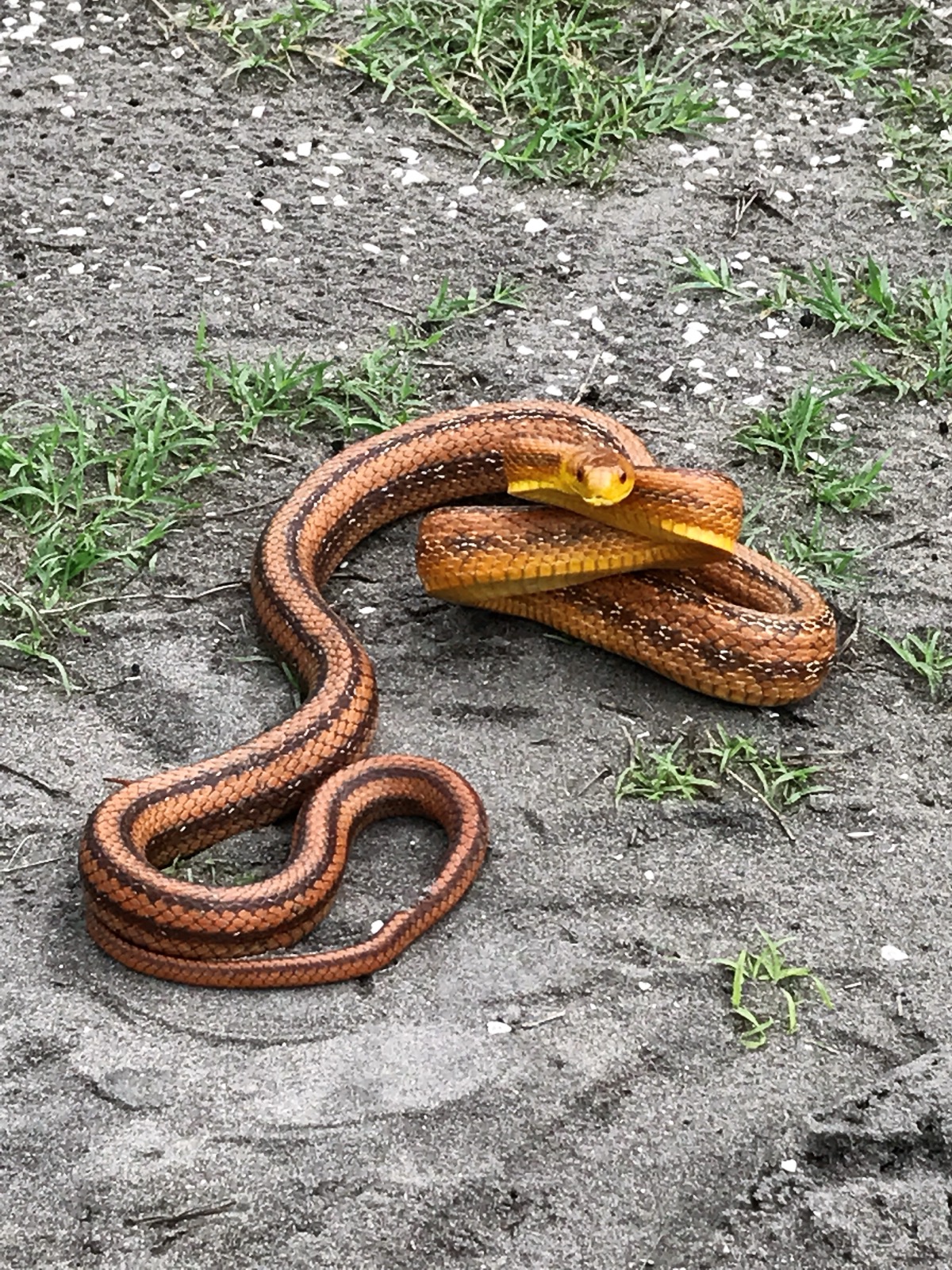
Snake scales are a defining feature of these fascinating reptiles, serving a multitude of critical functions that extend far beyond mere skin covering. These intricate, overlapping structures form a protective armor against physical damage, desiccation (water loss), and even some pathogens. Each scale is a hardened layer of keratin, similar to our fingernails, and is integral to a snake's survival in its varied environments, from arid deserts to dense forests and aquatic habitats. They are not slimy, as often mistakenly believed, but rather dry, smooth, or sometimes textured, providing a surprisingly tactile surface.
While many people are familiar with the basic distinction between smooth and keeled scales, the diversity of snake scales is much richer. Smooth scales, as seen on many colubrids like garter snakes, offer a sleek surface that reduces friction, aiding movement through dense vegetation or water. Keeled scales, found on species like rattlesnakes and many water snakes, have a raised ridge along their center, which can provide better grip for climbing or a rougher texture for camouflage. Beyond these, some scales can be granular, spiny, or tuberculate, each adaptation serving a specific purpose, such as deterring predators or assisting with burrowing.
Specialized scales are also found in specific regions of a snake's body, each with a unique role. The large, rectangular scales on a snake's belly, known as ventral scales or gastrosteges, are particularly vital for locomotion. Their broad, overlapping design and the ability of a snake to individually lift and depress them allow for powerful traction as the snake pushes itself forward. On the head, cephalic plates are larger, often symmetrical scales that are crucial for species identification, as their arrangement and number are often consistent within a species but vary between them.
Herpetologists frequently rely on scale patterns and counts as primary tools for identification. The number of dorsal scale rows around the midbody, the count of ventral scales from chin to vent, and the number and arrangement of subcaudal scales (those under the tail, which can be single or divided) are all key diagnostic features. These detailed counts, combined with scale shape and texture, allow for precise identification, helping to differentiate between species that might otherwise appear similar, even to the trained eye.
Beyond their practical functions, scales also play a significant role in a snake's appearance. The intricate patterns and vibrant colors that make snakes so visually striking are determined by pigment cells within and beneath the scales. Furthermore, the microscopic structure of some scales can create iridescence, causing the snake's surface to shimmer with rainbow hues, as famously seen in species like rainbow boas. This structural coloration is not due to pigment but to how light interacts with the keratin layers, scattering different wavelengths.
The process of shedding, or ecdysis, is a testament to the dynamic nature of snake scales. As a snake grows, its scales do not grow with it. Instead, the snake periodically sheds its entire outer layer of skin, including the transparent spectacle covering its eyes, revealing a fresh, larger, and often more vibrant set of scales underneath. This renewal process is essential not only for growth but also for repairing damaged scales and ridding the snake of external parasites.
Understanding the diverse types and functions of snake scales enriches our appreciation for these incredible creatures and provides valuable insights for identification. However, it is crucial to remember that close examination of a snake's scales should only be done by trained professionals. If you encounter a snake, observe it from a safe distance. Take a clear photograph if possible, and let the SerpentID app analyze its markings against local species. If you suspect it is venomous, or if you are unsure, contact your local wildlife services for safe and professional assistance, never attempting to handle or approach the snake yourself.