


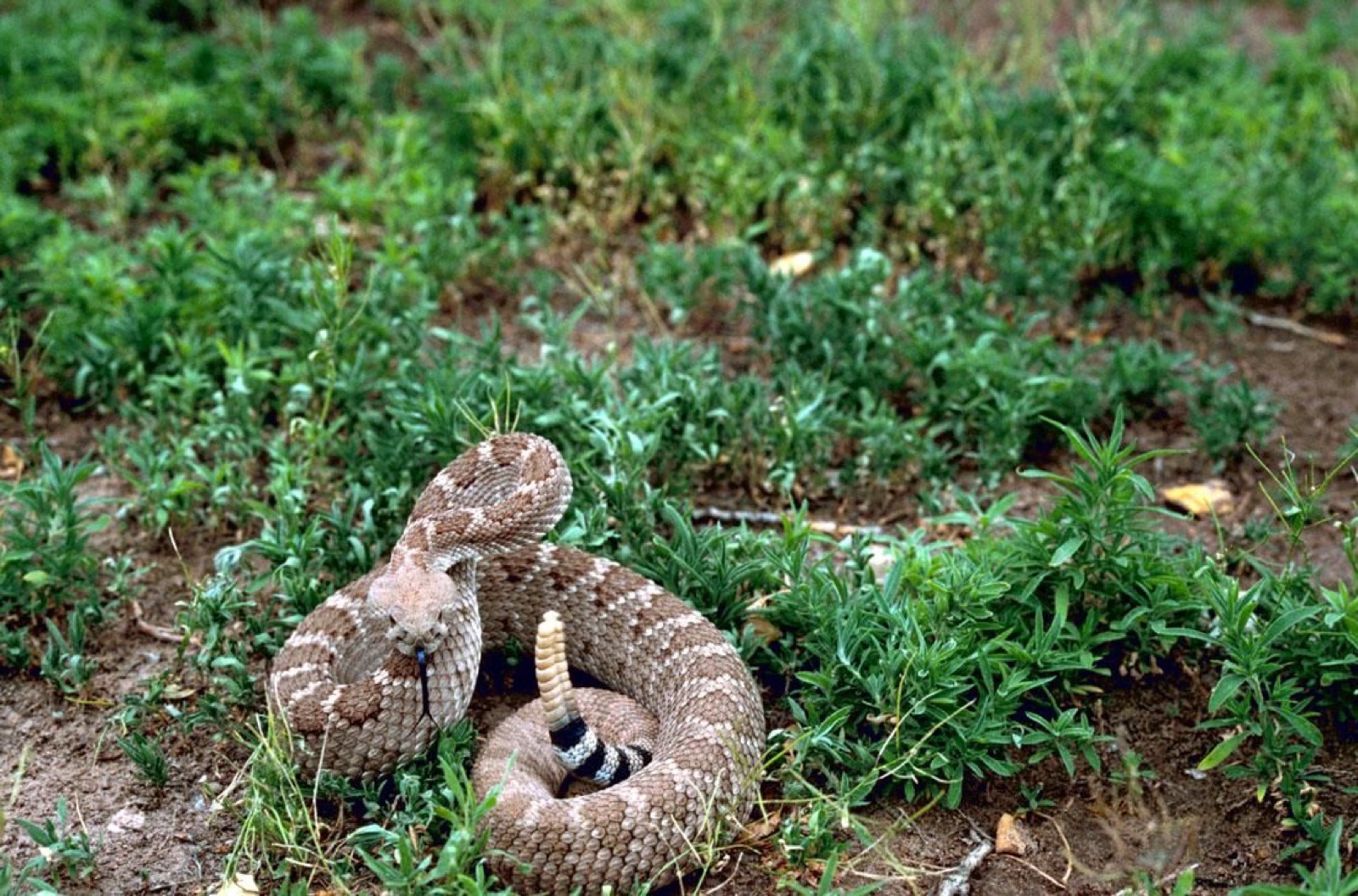
Snake scales are a defining feature of these fascinating reptiles, serving a multitude of vital functions beyond simply covering their bodies. Composed primarily of keratin, the same protein found in human fingernails and hair, these overlapping, specialized plates are integral to a snake's survival in diverse environments. Far from being merely decorative, scales are dynamic structures that play crucial roles in everything from physical protection to efficient movement and sensory perception, making them a cornerstone of snake biology.
One of the primary functions of snake scales is protection. They form a robust, flexible armor that shields the snake's delicate internal organs and soft tissues from physical abrasion as it navigates rough terrain, burrows through soil, or squeezes into tight crevices. This protective layer also acts as a crucial barrier against moisture loss, preventing dehydration in arid environments and allowing snakes to thrive in places where water is scarce. The way scales overlap, much like shingles on a roof, creates a continuous, sealed surface that effectively retains body moisture.
Scales are also indispensable for a snake's unique mode of locomotion. The broad, rectangular scales on the snake's belly, known as ventral scales, are particularly adapted for gripping surfaces. These scales can be independently controlled by muscles, allowing the snake to push against the ground, rocks, or tree bark, providing traction for forward movement. Simultaneously, the smooth, often slick, dorsal scales minimize friction with the environment, enabling the snake to glide effortlessly and silently across various terrains without expending excessive energy.
Beyond protection and movement, scales are masters of camouflage. The intricate patterns, varied colorations, and diverse textures found on snake scales are expertly evolved to help them blend seamlessly into their surroundings. Whether it's the mottled greens and browns of a snake hiding in leaf litter, the sandy hues of a desert dweller, or the disruptive patterns of a species blending with tree bark, scales are critical for both ambushing prey and evading predators. This natural artistry of their skin is a testament to millions of years of evolutionary adaptation.
Furthermore, scales can offer sensory input and are invaluable tools for species identification. While snakes primarily 'smell' with their flicking tongues, some scales, particularly those around the head and mouth, can have nerve endings that detect vibrations or changes in temperature. For herpetologists and enthusiasts, the arrangement, count, and texture of scales (whether smooth or keeled, meaning they have a raised ridge) are critical diagnostic features. This is why when people describe snakes as 'slimy,' they are mistaken; snake scales are typically dry and smooth or rough to the touch, never slimy.
The diversity of snake scales is astonishing, reflecting the wide array of habitats and lifestyles snakes occupy. From the tiny, granular scales of some vipers to the large, smooth plates of many constrictors, each type is optimized for specific needs. Head scales, often larger and more symmetrical, can differ significantly from the smaller body scales. In rattlesnakes, specialized keratinized scales at the tail-tip form the iconic rattle, a unique adaptation for warning potential threats. The presence or absence of certain scale types, such as supraocular scales above the eyes, can be key identifiers.
Understanding the functions of snake scales reveals much about these incredible animals and their adaptations. If you encounter a snake and notice its unique scale patterns or textures, remember these are crucial clues to its identity. Never approach or attempt to handle a snake. Instead, if you need to identify a snake safely, take a clear photograph from a safe distance and use an identification app like SerpentID, which can analyze these specific markings against local species. If you suspect a snake is venomous, contact your local wildlife services immediately for professional assistance.