


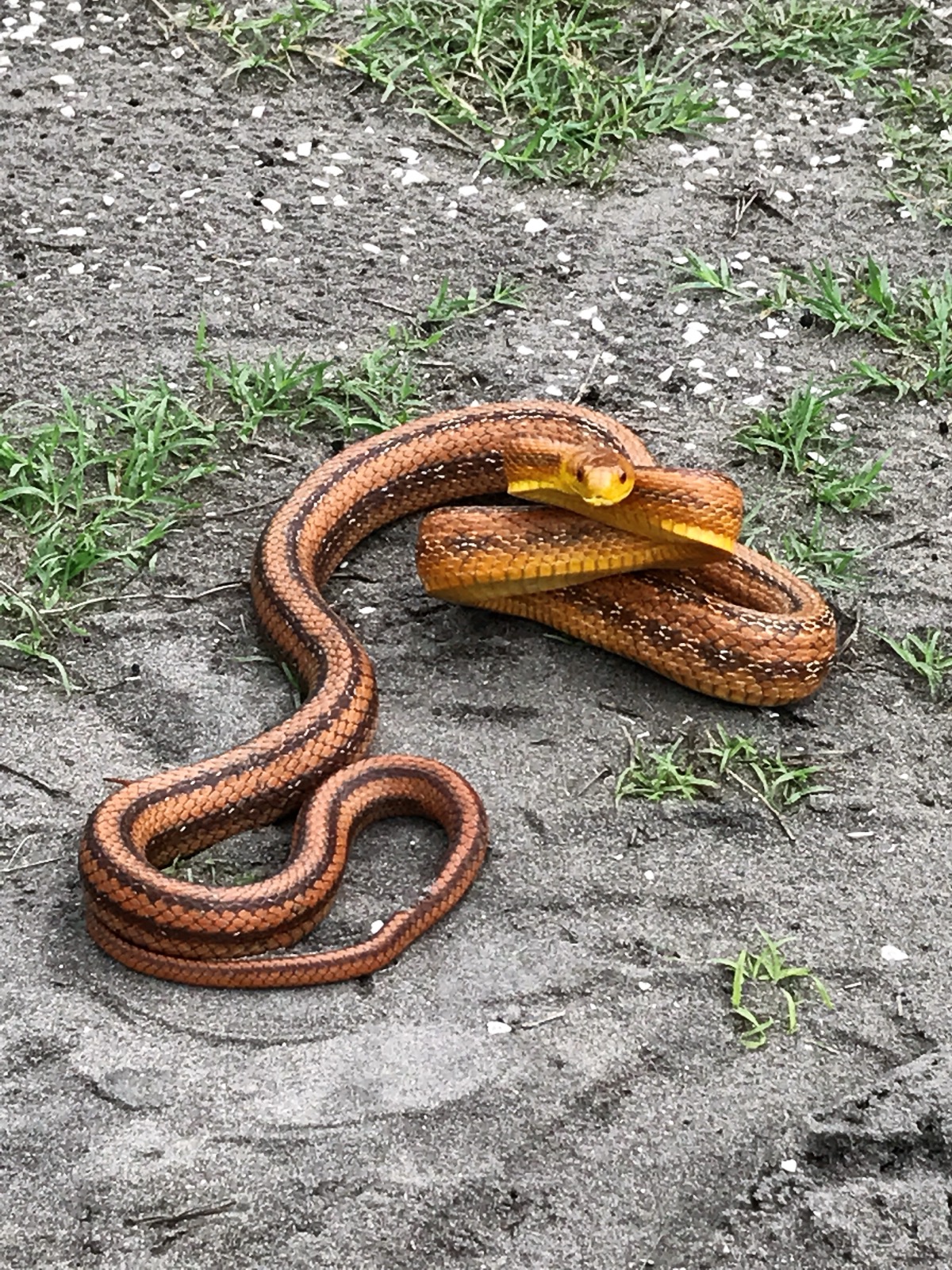
While a snake's entire body is covered in scales, those on its underside, known as ventral scales, are uniquely specialized for critical functions. Unlike the smaller, overlapping scales on its back (dorsal scales), ventral scales are typically broad, rectangular, and run in a single row from the snake's chin to its vent (the opening for waste and reproduction). These remarkable scales are not merely decorative; they are integral to how a snake moves across diverse terrains and how it protects its vulnerable underbelly.
The primary purpose of ventral scales is to facilitate locomotion. Each ventral scale is connected to a pair of ribs, and a network of muscles allows the snake to independently manipulate these scales. As the snake moves, it can lift and project its ventral scales forward, then press them down to grip the surface. This creates friction and allows the snake to push its body forward, much like a caterpillar moving on its prolegs. This unique system enables snakes to perform various types of movement, from the familiar serpentine undulations to straight-line "rectilinear" crawling, where the snake appears to glide without visible side-to-side motion.
The effectiveness of ventral scales is evident in how snakes navigate different environments. On rough surfaces like tree bark or rocky ground, the scales provide excellent traction, allowing snakes to climb with surprising agility. For species that move across loose sand, like sidewinders, the specialized arrangement and movement of ventral scales allow them to "sidewind" efficiently, minimizing contact with the hot sand while still achieving propulsion. Even in water, these scales help reduce drag and, in some species, contribute to paddle-like movements, aiding in swimming.
Beyond their role in movement, ventral scales offer crucial protection. The snake's belly is its most exposed and vulnerable part, housing vital organs. The tough, keratinized nature of these scales acts as a protective shield against abrasion from rough surfaces, sharp debris, and potential impacts. This natural armor helps prevent injuries as the snake glides over rocks, branches, and other hazards in its environment, ensuring its internal structures remain safe.
Interestingly, the structure of ventral scales can also provide clues for scientific identification. The number of ventral scales, their shape, and the presence or absence of a divided anal plate (the scale covering the vent) are all characteristics used by herpetologists to distinguish between species. While these details are often too subtle for casual observation, they underscore the intricate design and functional importance of every part of a snake's anatomy, including its specialized belly scales.
So, next time you observe a snake moving, take a moment to appreciate the complex engineering of its underside. These broad, dry scales are far from slimy – a common misconception – and are instead a marvel of natural adaptation, enabling the snake to glide, climb, and protect itself in its world. They are a testament to the evolutionary efficiency that allows snakes to thrive in almost every habitat on Earth.
Understanding the anatomy and behavior of snakes, including the function of their ventral scales, helps us appreciate these creatures more fully. If you encounter a snake and need to identify it, remember to keep a safe distance. Take a clear photograph from afar, focusing on its body and markings, and use the SerpentID app to compare it against local species. If you suspect it's venomous, contact your local wildlife services for safe and professional removal.