


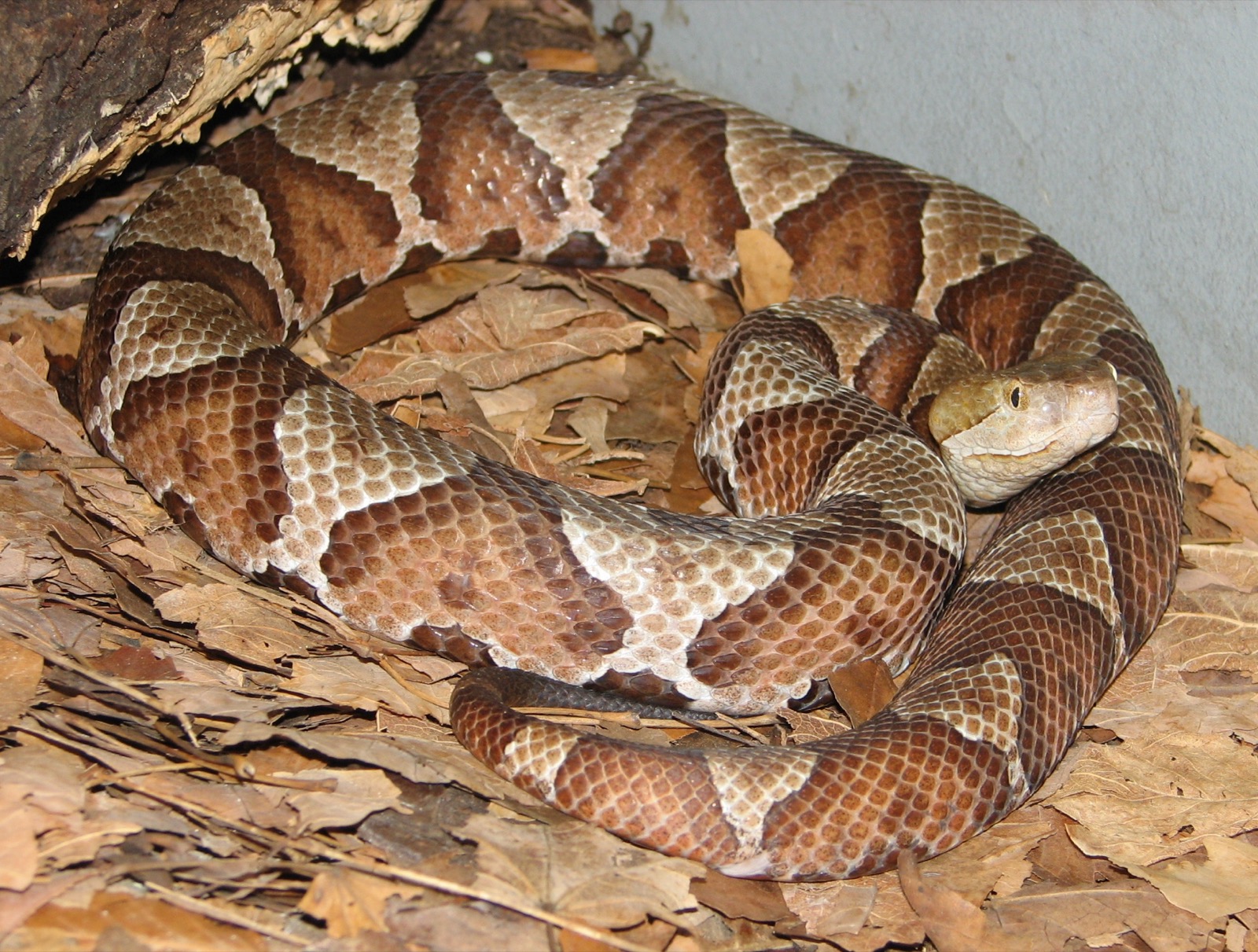
Many of us enjoy spending time in our gardens and yards, but these spaces are also natural habitats for snakes. As temperatures rise and activity increases, so does the likelihood of encountering a serpent while tending to your plants, mowing the lawn, or clearing brush. While most snakes are harmless and non-aggressive, startling one can lead to a defensive bite. Understanding how to safely approach yard work can prevent unexpected encounters and ensure your peace of mind.
Snakes are drawn to yards for the same reasons many other wildlife are: food, water, and shelter. Your garden might offer a ready supply of rodents, insects, or amphibians, and a convenient water source. More importantly, dense vegetation, leaf litter, rock walls, compost piles, and stacks of firewood provide ideal hiding spots and cool retreats from the sun. These are the very places we often disturb during routine yard maintenance, making them prime locations for accidental snake encounters.
Before you begin any yard work, especially in overgrown or undisturbed areas, take a few crucial safety steps. Always wear appropriate protective gear, including sturdy, closed-toe shoes or boots, thick long pants, and gloves. These can offer a surprising amount of protection against potential bites. Before you start raking, weeding, or lifting objects, make some noise or use a tool to gently probe the area. This can alert any hidden snakes to your presence, giving them a chance to move away before you get too close.
As you work, maintain a high level of awareness. Look carefully before you reach into dense bushes, under rocks, or into woodpiles. Avoid placing your hands or feet where you cannot see. When using power tools like mowers or trimmers, be particularly cautious. The vibrations and noise can startle snakes, causing them to move unpredictably. If you're clearing brush or moving debris, use a rake or shovel to shift items from a safe distance before getting your hands involved.
If you do encounter a snake, the most important thing is to remain calm. Do not panic, and do not attempt to handle, harass, or kill the snake. Most snakes will try to escape when given the opportunity. Slowly back away, giving the snake plenty of space. If it's in your immediate work area, retreat and wait for it to move on its own. Snakes are often just passing through or seeking temporary shelter and will usually leave if left undisturbed.
Never use a shovel, hoe, or other tool to try and move a snake. This is a common cause of bites, as it puts you within striking distance and can provoke a defensive reaction from the snake. After you finish your yard work, be sure to check your tools, gloves, and any other items you used before storing them. Snakes can sometimes seek refuge in or under equipment, especially if it's left out for a period in warm weather. Store tools neatly and off the ground where possible.
If you encounter a snake and are unsure of its identity, remember that a photograph from a safe distance is the best way to get an accurate identification. The SerpentID app can help you compare markings against likely local species. If you suspect the snake is venomous, or if it poses an immediate threat that cannot be avoided by simply backing away, contact your local wildlife services or a professional snake removal specialist for assistance. Never attempt to deal with a potentially venomous snake yourself. If a bite occurs, seek professional medical help immediately.