


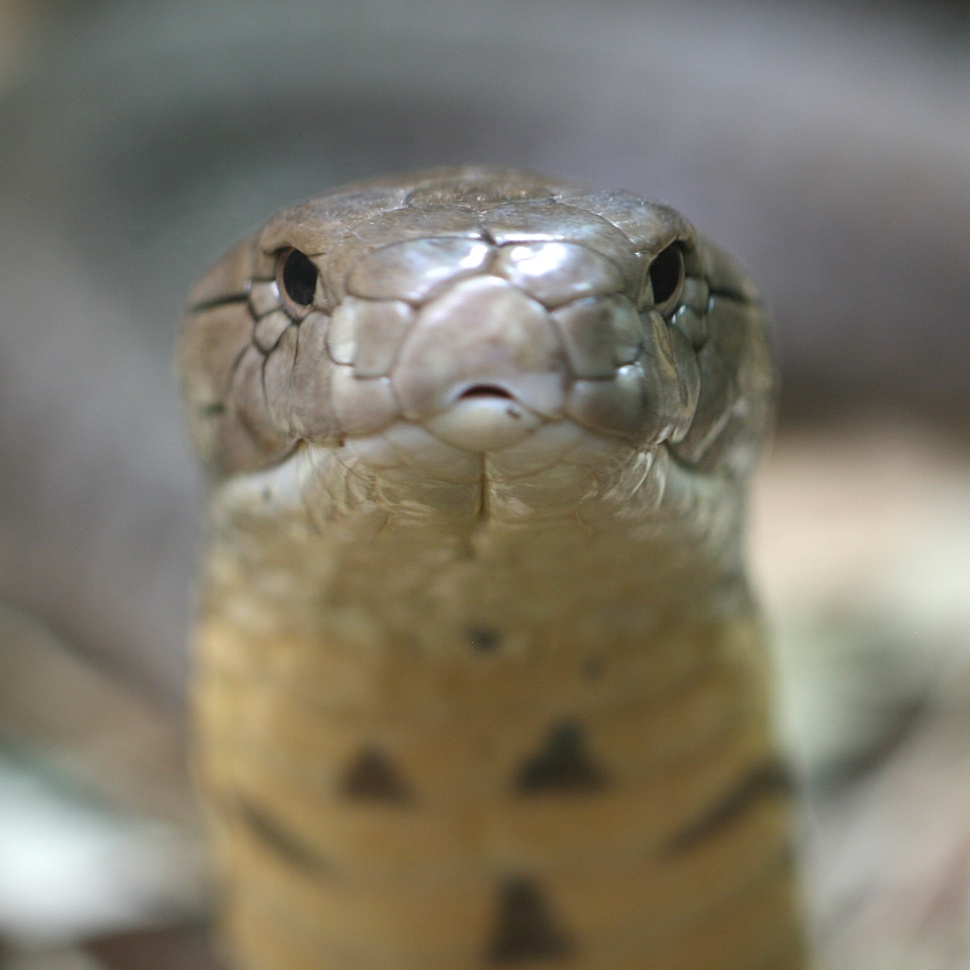
People type 'snake vs serpent' into search engines expecting a hidden distinction, as if one word described a bigger, older, or more dangerous animal. The honest answer is simpler. In biology, a serpent is a snake and a snake is a serpent. Both words refer to the same group of elongated, limbless reptiles with flexible jaws, forked tongues, and a clear spectacle over each eye instead of a movable eyelid. Zoologists do not use 'serpent' as a separate category, and there is no species that counts as one but not the other.
The difference lies in where the words came from. 'Snake' traces back to the Old English word snaca, part of a Germanic family of words for creeping animals. 'Serpent' arrived in English through Old French from the Latin serpens, meaning 'creeping thing,' from the verb serpere, to creep. Both words, in other words, describe the same idea: an animal that moves close to the ground without legs. English simply kept both, as it often does when a Germanic everyday word and a Latin-derived formal word overlap.
Science leans on the Latin side. The group containing all living snakes is commonly called Serpentes, and older texts used the name Ophidia, from the Greek ophis, meaning snake. That Greek root survives in words such as ophidiophobia, the fear of snakes, and ophiophagy, the habit of eating other snakes. So when a field guide or research paper discusses Serpentes, it is not describing some special subset of animals. It is talking about every snake you might meet, from a tiny blind snake in a flower pot to a reticulated python.
Where the words really diverge is tone. 'Serpent' carries the weight of myth, scripture, and poetry. It shows up in religious texts, medieval bestiaries, classic literature, and legends of sea serpents and world serpents. In Australia, many Aboriginal cultures hold stories of the Rainbow Serpent, an important ancestral being tied to water and land. In India, the naga figures of Hindu and Buddhist tradition are often rendered in English as serpent deities. Writers reach for 'serpent' when they want something ancient, symbolic, or larger than life, and 'snake' when they mean the animal under the woodpile.
One persistent myth claims that 'serpent' means a venomous snake and 'snake' means a harmless one, or that serpents are especially large. Neither is true. The words have never sorted snakes by venom or size, and you cannot judge danger from what an animal is called any more than from head shape or pupil shape. Another source of confusion is the 'sea serpent.' Sea snakes are real snakes that live in warm parts of the Indian and Pacific Oceans, including Australian waters, but the giant sea serpents of sailors' tales are legends. Researchers have suggested that some historical sightings may have been oarfish, rows of porpoises, floating debris, or simple misjudgments of size on open water.
For practical purposes, use whichever word you like. If you are reporting a sighting to a wildlife officer, a snake catcher, or a park ranger, 'snake' is clearer and more common in the United States, Australia, and India alike. What actually matters is not the label but the species, because a harmless rat snake and a venomous copperhead or Russell's viper call for very different levels of caution. Our own name, SerpentID, borrows the older word, but the animals we help you identify are the same snakes you find in yards, trails, and homes.
Whatever you call the animal in front of you, the safest approach stays the same. Keep your distance, do not try to handle, corner, or kill it, and take a clear photo from well back so you can let SerpentID compare its markings, scales, and shape against the species most likely in your area. If the result suggests a venomous species, or the snake is inside your home or near children and pets, contact your local wildlife services or a licensed snake removal professional. And if anyone is bitten, seek professional medical help immediately.